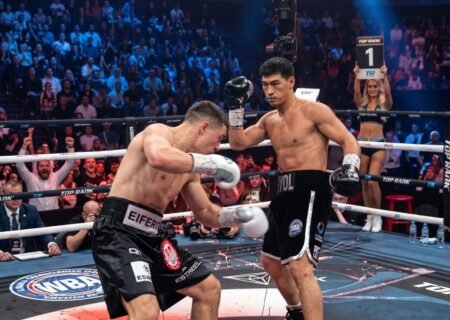





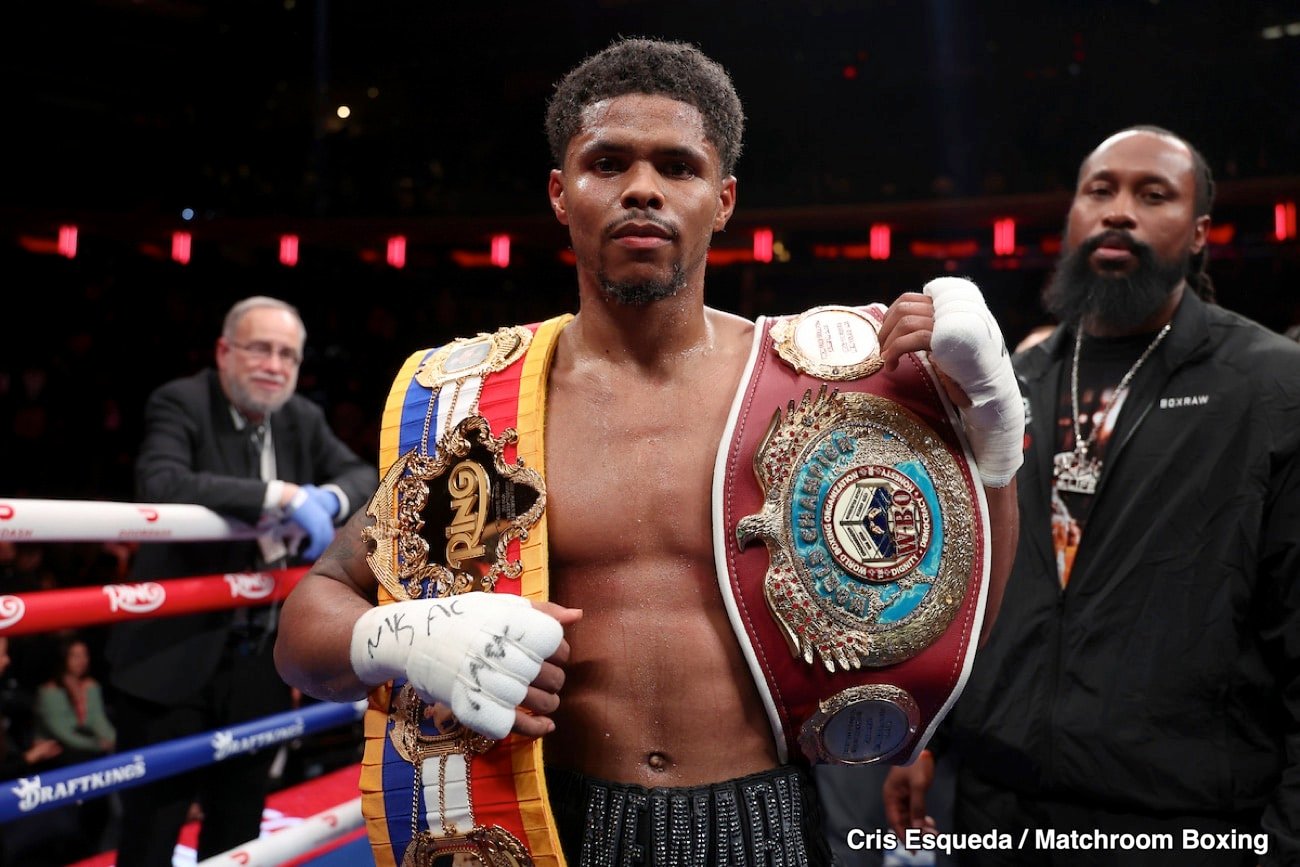


Shakur points to Haney’s previous outing against Jose Ramirez at the same weight as proof of concept. To Stevenson, 144 pounds represents a fair “middle ground.” It allows Haney to avoid the grueling cut to 140 while keeping Shakur from being entirely outsized by a man who has clearly outgrown the lightweight limit.
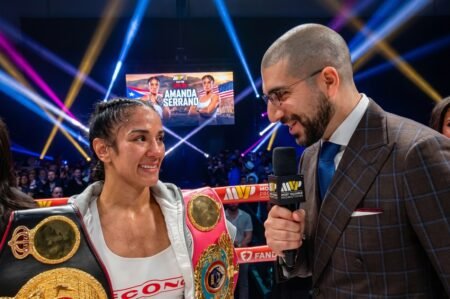
“I think that Haney fought at a catchweight against Jose Ramirez two fights ago, if I recall, and it was 144 pounds. So, I would love to do it at 144 pounds. We can meet him in the middle,” said Shakur to The Ariel Helwani Show.
The flaw in Shakur’s proposal is the assumption that Haney’s leverage has stayed the same. Since the Ramirez fight, Haney has restored his reputation following the Ryan Garcia debacle.
Haney defeated WBO welterweight champion Brian Norman Jr. last November and regained his status as an A-side draw in major negotiations.
While Haney fought Ramirez at 144 out of necessity to get back in the win column, he is now a welterweight champion. Asking a titleholder to drop back down for a non-title fight is a much tougher sell than it was six months ago.
“I don’t think that the belt has to be on the line. I think that the fight is big enough for both of us to be fighting at a catchweight,” said Shakur. “And I don’t think the belts really matter in that instance. I think we can both sell out a big arena, and it’ll be a tremendous fight.”
Stevenson is right about one thing: the fans don’t need a WBO or WBC strap to care about this matchup. By removing the belts, they eliminate sanctioning fees, saving both fighters hundreds of thousands.
They also remove mandatory obligations that often stall big fights and weight restrictions that rigid divisional rules enforce.
Shakur has laid out a clean proposal, but in boxing, clean rarely means easy. He is essentially asking Haney to meet him on terms that favor the smaller man’s longevity. It’s a calculated move to see if Haney values the tremendous fight more than the advantages he’s earned at 147.


Read the full article here