



You may have heard about Spain’s new cycling rules, which come into force this Thursday (1 October). For the country’s cyclists, they’re a mixed but mostly positive bag which, assuming the drivers of Spain and its island territories take note, should theoretically mean that the nation’s bike riders will be just a little bit safer.
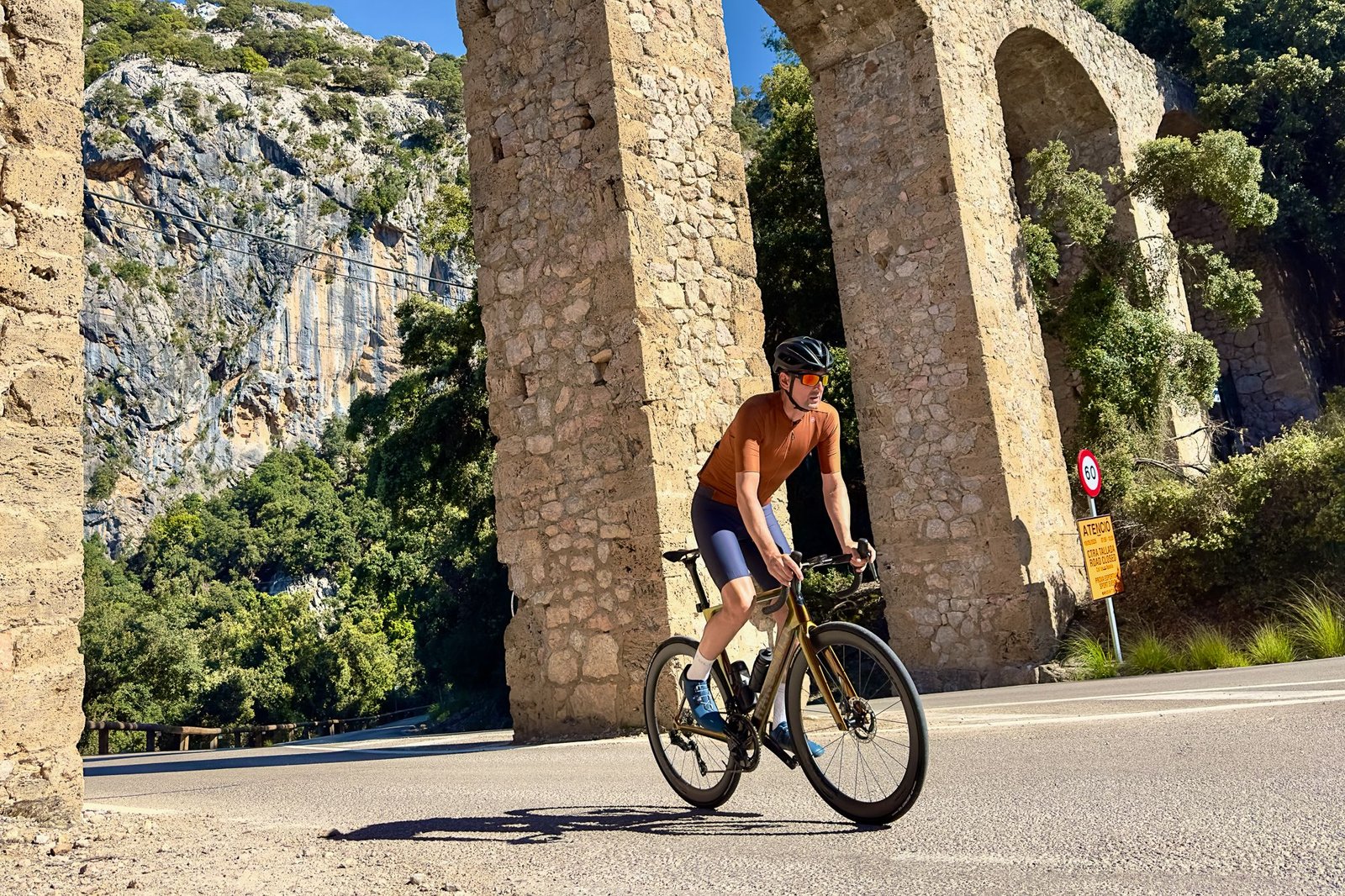
The new regulations include welcome, tougher new rules for car drivers overtaking cyclists, more flexibility for riders out on the road, and – less popular with some, perhaps – tighter rules on wearing helmets. If you’re planning on a bit of spring sunshine in Majorca next year, take note.
The Spanish government’s state gazette says: “[The New] Bicycle regulations have several objectives: firstly, to promote cycling as a healthy and sustainable mode of transportation that helps reduce urban pollution, and… encourage greater bicycle use in the city. Secondly, the regulations introduce measures that enhance the safety of cyclists, who are vulnerable road users.”
Latest Videos FromCycling Weekly
A quick run-down of the most salient points includes the removal of all previous exemptions regarding the wearing of helmets. Currently, riders can forgo helmet use on long climbs, in extreme heat, and for medical reasons, but the new General Traffic Regulations call these “no longer justifiable”. So, if you get caught out on Sa Calobra next March with your helmet hanging from your bars, that’ll be a €200 fine.
Anyone under-16, or who rides a bike for their job, must use a helmet at all times and on all roads, while over-16s are only obligated to do so on intra-urban (rural) roads.
The most welcome rule changes are likely to be the ones pertaining to drivers overtaking riders. They must still give the rider 1.5m space while overtaking, but must now slow to 20kph below the speed limit on rural roads as they do so; as well as hang back “at least” five metres from the rider until they choose to make the manoeuvre.
The gazette says: “When overtaking pedestrians, animals, animal-drawn vehicles, mopeds, personal mobility vehicles, cyclists or groups of cyclists, the overtaking driver must take special care with the manoeuvre, in order to avoid creating any dangerous situation for them.”
Cyclists are also encouraged to take the primary position and ride in the centre of the lane. This makes the cyclist more visible to drivers, makes their movements more predictable, and discourages risky overtakes. Urban one-way roads with speed limits of 30kph or less could also see cyclists allowed to travel both ways, subject to signage.
All good for the cyclists of Spain – and those visiting any time soon, which could include a fair few readers and plenty of WorldTour pros. But what’s in it for the rest of us? Sadly, probably nothing immediately. But give it time. There is more than one political and philosophical theory postulating that when things improve in one country, they are eventually likely to improve in its neighbour in a similar way.
Importantly, the rest of Europe is witnessing its neighbour taking progressive strides – strides which don’t involve wholesale replanning of town infrastructure, but simple guidelines. We probably shouldn’t kid ourselves that Spain’s doing this so that the local group ride can have a more untroubled crack at setting a new PR for its usual course. Instead, this is about wider issues: reducing road deaths and pollution – important issues on (almost) any nation’s ‘To Do’ list.
It could take time, but we have already seen the UK adopt measures grounded in the cycletopia of Europe’s most bike-friendly cities. The Dutch reach, for example, or the hierarchy of road users, which puts the onus on the drivers of bigger, heavier vehicles to look out for those who are more vulnerable.
In North America, Portland, Oregon and Montréal have introduced Dutch-inspired intersections, while Minneapolis has experimented with them too.
Progress like this advances incredibly slowly, and for us in the UK or the US, the new regs are not a signal to attach tassles to bar-ends and throw a party. Even for Spain’s riders, introducing new traffic laws is one thing, but educating drivers and then ensuring they adhere to them are separate challenges. Similar issues exist in the UK, where it remains largely down to cyclists with cameras to report overtaking transgressions by motorists, despite clear Highway Code guidelines.
What the new rules are though, is another strike of the hammer in just one of the nails in the coffin of the unfettered dominance of motor vehicles on our roads. Bit by bit, regulation by regulation, we’re getting there.
Read the full article here