



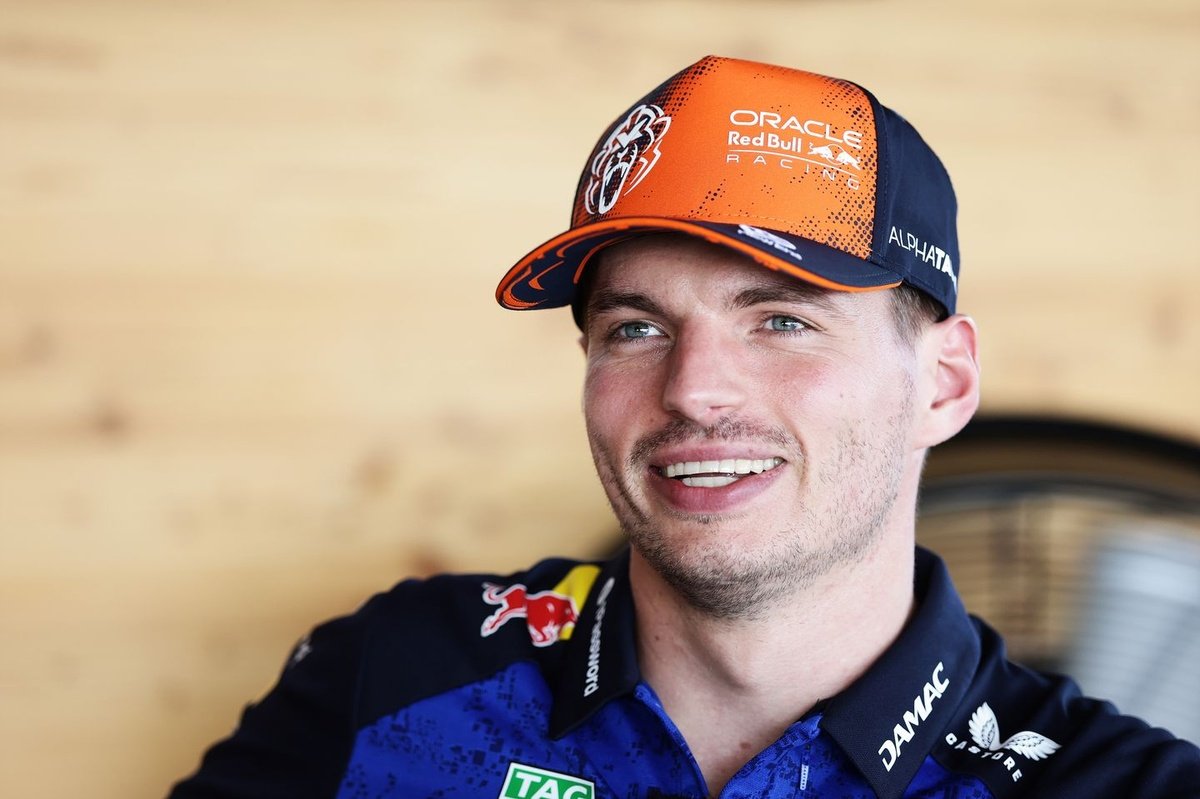
After several European Formula 1 weekends where energy management has appeared more natural for drivers, Max Verstappen expects the British Grand Prix to be a completely different story.
Monaco represented the most natural experience so far, where drivers could push flat out throughout qualifying thanks to the many slow corners and braking zones.
According to Verstappen, the Red Bull Ring was also relatively straightforward because the track in the Styrian Alps features several heavy braking zones where energy can be recovered.
Silverstone, however, lacks those due to its fast and flowing layout, leading the four-time world champion to expect a completely different experience for drivers there – more in line with what the beginning of the season showcased.
Verstappen says that became clear to him during simulator sessions in Milton Keynes in preparation for the British Grand Prix.
“Silverstone, I love the track, but I did a few laps on the simulator and I just started laughing,” Verstappen said after securing his second podium finish of the season in Spielberg. “It felt like a different track, to be honest.”
The Silverstone race will pose a different challenge for the drivers this year
Photo by: Steven Tee / LAT Images via Getty Images
For the drivers, it means a weekend with more energy management, making the experience through Silverstone’s many high-speed corners different from, for example, the ground-effect era.
Verstappen described those cars as “boats” in slow-speed corners, but they were renowned for their performance in high-speed corners.
This year, things have changed on the chassis side, something many fans actually see as a positive because of drivers fighting the wheel more and cars appearing less on rails.
Energy management, however, is a different story, especially when drivers lose speed through clipping or superclipping before reaching the braking zones.
“You barely have battery around the lap. It’s just constantly flat,” Verstappen added. “So yes, it’s going to feel very different compared to what we are used to around Silverstone, because of the layout of the track.”
Suzuka provided a similar example with the famous 130R. Although that corner had already been flat-out for years, drivers were losing around 50km/h due to energy limitations, making the challenge in 2026 very different from before.
Verstappen expects more of the same at Silverstone, where the sequence through Copse and Maggots and Becketts will be particularly demanding because it is all flat-out and offers no braking zones for energy recovery.
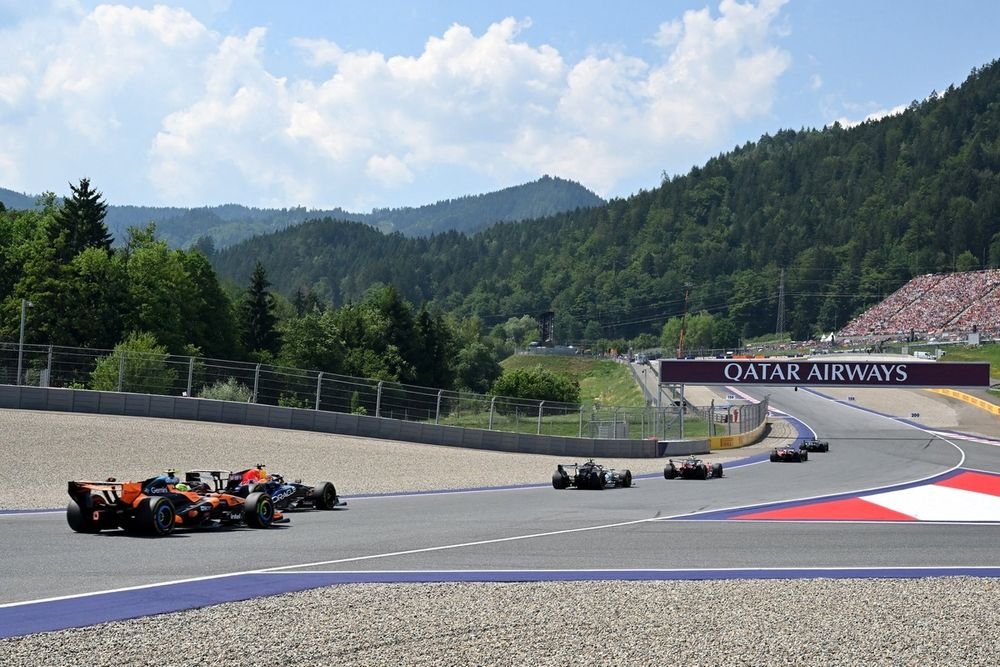
Heavy braking zones in Austria meant energy management was less of an issue
Photo by: Michael Potts / LAT Images via Getty Images
“Here [in Austria] you have long straights and big braking zones, so you can charge the battery,” Verstappen explained.
“There, you have long straights but then a fast corner, for example, so you can’t really charge the batteries, and then the next straight you don’t have a lot to spend. It’s going to be a tough one.”
Verstappen pleased with F1 and FIA changes for the future
When asked by Autosport during Thursday’s media day in Spielberg, Verstappen had already said that he finds the 2026 cars less natural to drive in general, even on the chassis side.
The ground-effect cars had to be run extremely stiff and low, meaning the new regulations represent a step forward from a chassis perspective.
According to Verstappen, however, those improvements are still overshadowed at circuits such as Silverstone by the demands of energy management.
“I think this is less natural, but it goes hand-in-hand with the energy management, right? Because half of the time you cannot use the gears that are natural,” he added.
“So, this is less natural than what it used to be, or what real racing used to be.”
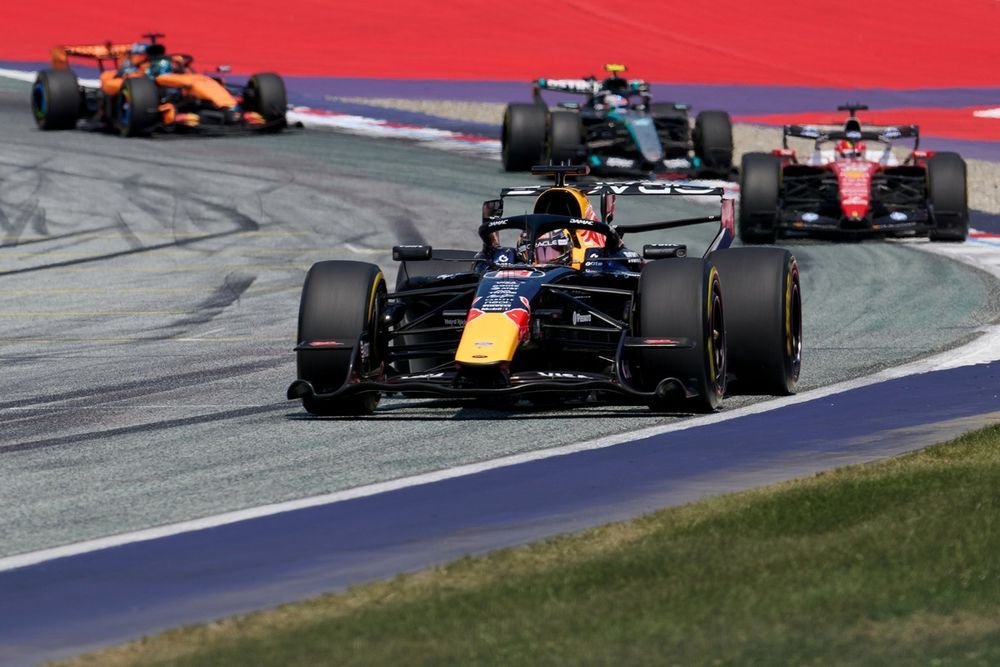
Charles Leclerc, Ferrari, Max Verstappen, Red Bull Racing
Photo by: Manuel Eletto / Getty Images
Verstappen is, however, pleased with the way F1 and the FIA have listened to his feedback, which has helped bring about the regulation changes for 2027 and 2028.
The internal combustion engine will become more prominent again in two stages, with a 58-42 split next year before reaching the intended 60-40 ratio in 2028.
That appears to be enough to keep Verstappen in F1 for longer, although he said of this season: “Everything has been incredibly complicated this year with so many different things. You leave the pits and the car stops, things like that. Most of the time I just have to count to 10, or in fact to 100.”
We want to hear from you!
Let us know what you would like to see from us in the future.
Take our survey
– The Autosport.com Team
Read the full article here