




The decline starts with the promoters. Their business is creating stars that generate millions of dollars, which means protecting those stars for as long as possible. Instead of consistently matching the best against the best, too many cards are built around showcase fights, carefully selected opponents and manufactured records designed to keep the money train moving.
Once fighters reach the top and begin earning millions, many become part of the same cycle. Instead of competing three or four times a year against the toughest available opposition, they often fight once or twice, waiting for the next career-high payday. If they take an interim fight, it’s frequently against an opponent they’re expected to beat. The risk is kept low while the reward remains high.
From a business standpoint, it makes perfect sense, but from a sporting standpoint, it’s a disaster.
Fans aren’t stupid. They can spot a mismatch before the opening bell. They know when an undefeated record has been built against carefully managed opposition, and they know when a card has been designed to protect the favorites rather than test them.
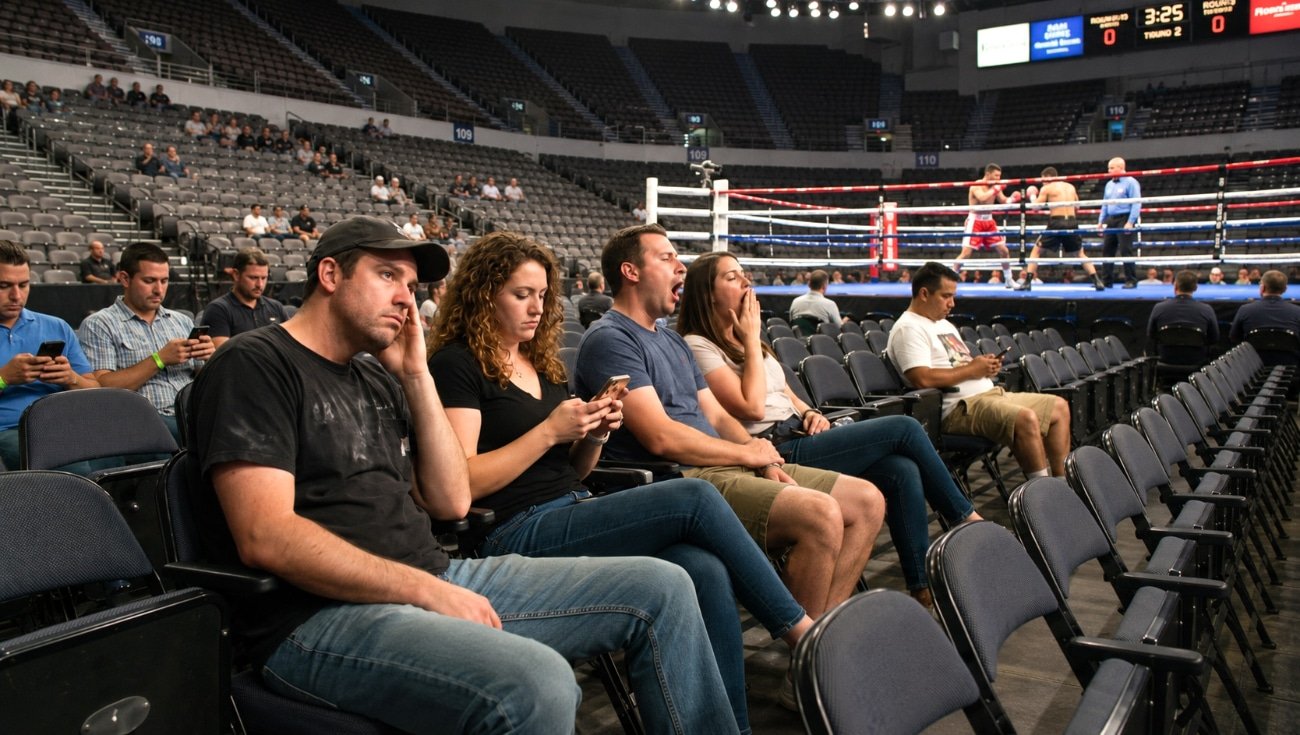
After enough nights of predictable results, people stop watching. That’s when the ratings fall. And when the ratings fall, television networks look elsewhere. They’re not in the business of preserving boxing. They’re in the business of attracting viewers. If another sport consistently delivers better audiences, that’s where the airtime goes.
The damage doesn’t stop there. Unlike league sports, boxing doesn’t require its biggest names to keep competing. Champions can sit inactive for months while negotiations drag on. Top contenders can wait indefinitely for title opportunities. Fighters can spend years pursuing the largest payday instead of the toughest challenge.
That would never be accepted in most professional sports. Imagine if the NFL’s best teams simply refused to play each other until the money was right. Imagine if the NBA’s biggest stars appeared once every eight months and spent the rest of the year negotiating their next contract. Fans wouldn’t tolerate it. Yet boxing has normalized exactly that.
The sport has gradually rewarded inactivity, risk avoidance, and asset protection over competition. Casual fans drifted away, television exposure declined, and boxing slowly surrendered the place it once held in mainstream sports.
It didn’t have to happen. People still love great fights. Every time boxing delivers a genuine 50-50 matchup, fans respond. The appetite is still there.
The problem is that too much of the sport has forgotten that competition, not protection, is what made boxing popular in the first place.
Read the full article here