The expansion of the men’s and women’s NCAA Tournament has been a hot-button issue for fans, as the mentality of “more is more” continues to permeate ideas previously held sacrosanct.
One such idea is the thought the tournament shouldn’t expand 70-plus teams, one that is imminently going to be broken. As reported on April 28, March Madness is on the final runway to add eight teams for a grand total of 76, expanding for the first time since 2011 when the First Four was added to make it 68 from 65. The change will be made for both men’s and women’s basketball, with a formal announcement anticipated in May.
REQUIRED READING: NCAA Tournament set to expand to 76 teams. What will it look like?
The move, to take hold in 2027, continues the NCAA’s trend of expansion in its biggest sports. Football moved from four teams to 12 beginning in 2024, and there has been more conversation around expansion since. For college basketball, however, the motivations are slightly different. In theory, the expansion should favor mid-majors rather than the Big Ten and the SEC as football does. After all, conference commissioners and NCAA president Charlie Baker have stumped for the accessibility an expanded field would bring.
1 / 37
See best of March Madness 2026, from mascots and fans to celebrities
Iowa State Cyclones fans cheer against the Kentucky Wildcats during the first half in the second round of the 2026 NCAA Men’s Basketball Tournament at Enterprise Center on March 22, 2026 in St Louis, Missouri.
1 / 37
See best of March Madness 2026, from mascots and fans to celebrities
Iowa State Cyclones fans cheer against the Kentucky Wildcats during the first half in the second round of the 2026 NCAA Men’s Basketball Tournament at Enterprise Center on March 22, 2026 in St Louis, Missouri.
2 / 37
See best of March Madness 2026, from mascots and fans to celebrities
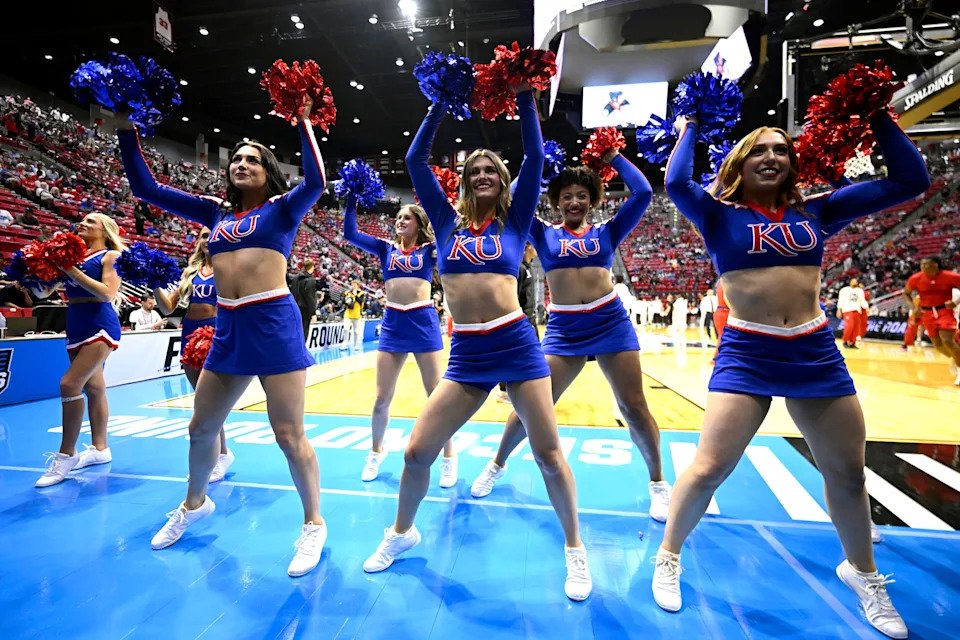
Kansas Jayhawks cheerleaders perform before a second round game of the men’s 2026 NCAA Tournament against the St. John’s Red Storm at Viejas Arena on March 22, 2026 in San Diego, Calif.
3 / 37
See best of March Madness 2026, from mascots and fans to celebrities
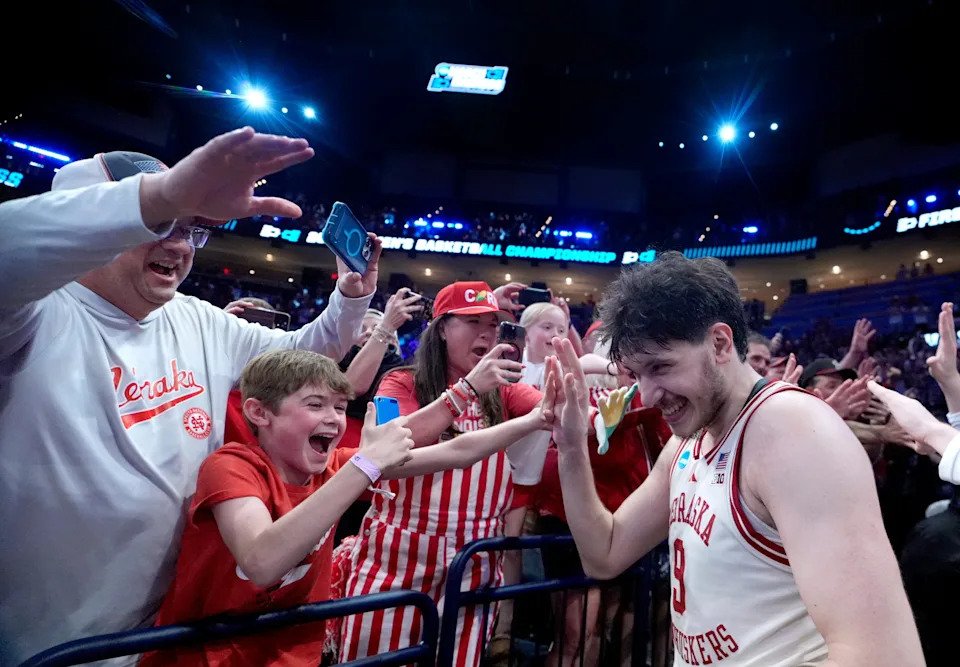
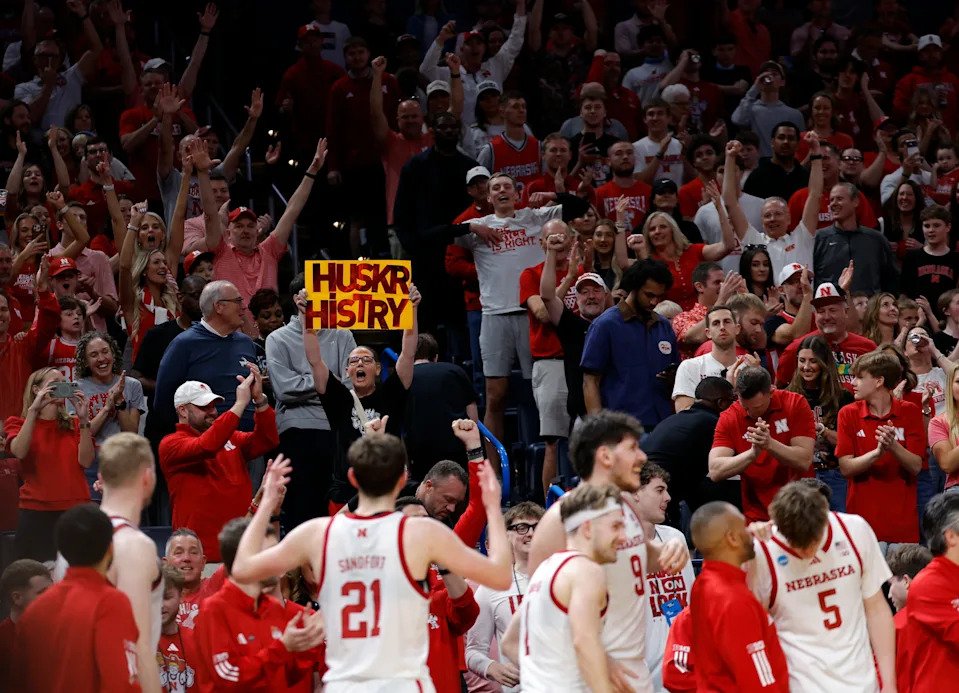
Nebraska’s Berke Buyuktuncel celebrates with fans following a second-round game in the NCAA men’s basketball tournament between Nebraska Cornhuskers and Vanderbilt Commodores at Paycom Center in Oklahoma City on March 21, 2026.
4 / 37
See best of March Madness 2026, from mascots and fans to celebrities
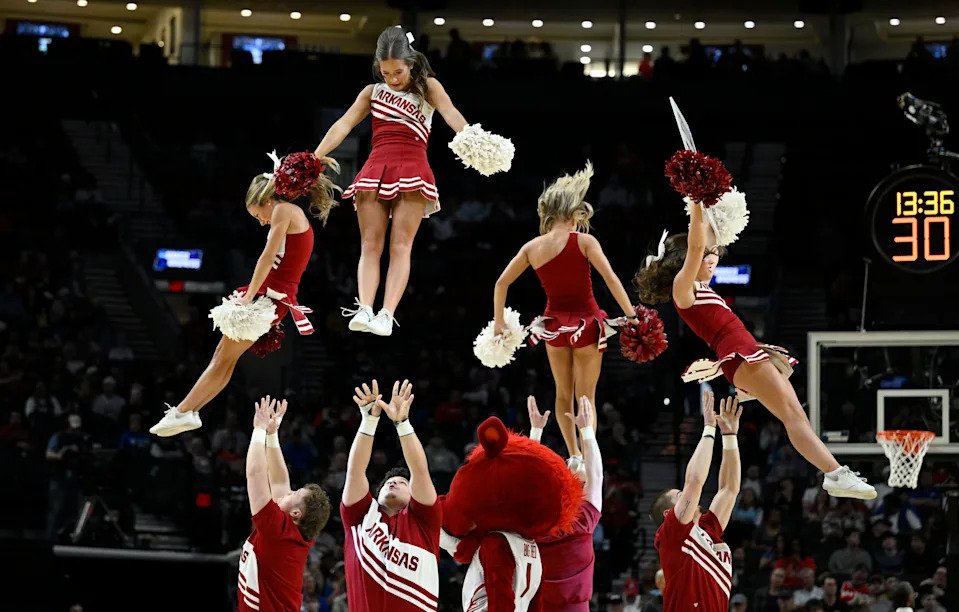
Arkansas Razorbacks cheerleaders in the second half against the Hawaii Rainbow Warriors during a first round game of the men’s 2026 NCAA Tournament at Moda Center on March 19, 2026 in Portland, Ore.
5 / 37
See best of March Madness 2026, from mascots and fans to celebrities
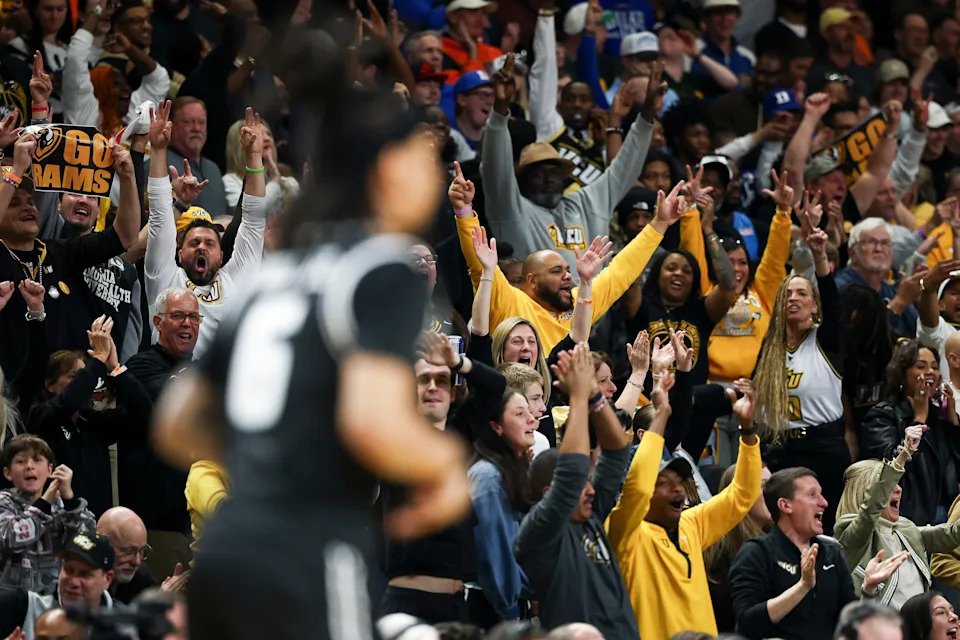
VCU Rams fans react after a 3-pointer by Terrence Hill Jr. #6 of the VCU Rams in the first round of the 2026 NCAA Men’s Basketball Tournament at Bon Secours Wellness Arena on March 19, 2026 in Greenville, SC.
6 / 37
See best of March Madness 2026, from mascots and fans to celebrities
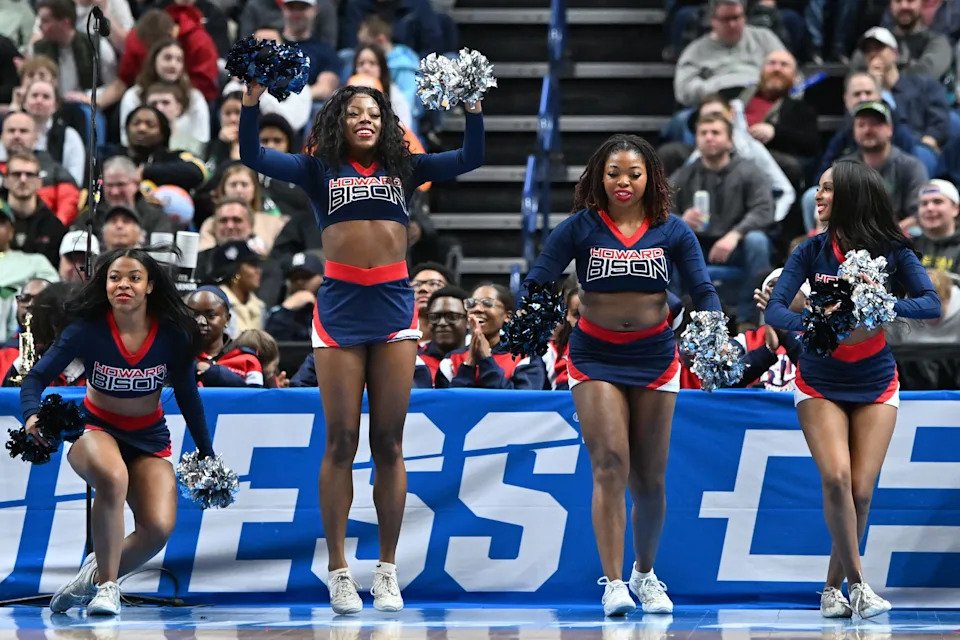
Howard Bison cheerleaders perform during a first round game of the men’s 2026 NCAA Tournament against the Michigan Wolverines at Keybank Center on Mar 19, 2026 in Buffalo, NY.
7 / 37
See best of March Madness 2026, from mascots and fans to celebrities
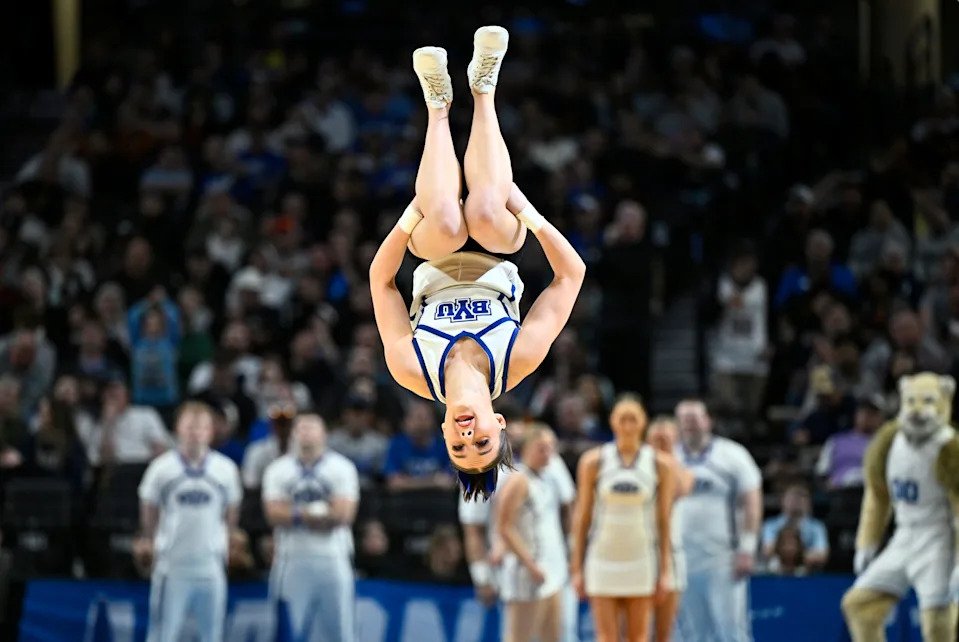
BYU Cougars cheerleader in the second half against the Texas Longhorns during a first round game of the men’s 2026 NCAA Tournament at Moda Center on Mar 19, 2026 in Portland, Ore.
8 / 37
See best of March Madness 2026, from mascots and fans to celebrities
Former North Carolina Tar Heels head coach Roy Williams is seen in the crowd against the VCU Rams in the second half of a first round game of the men’s 2026 NCAA Tournament at Bon Secours Wellness Arena on Mar 19, 2026 in Greenville, SC.
9 / 37
See best of March Madness 2026, from mascots and fans to celebrities
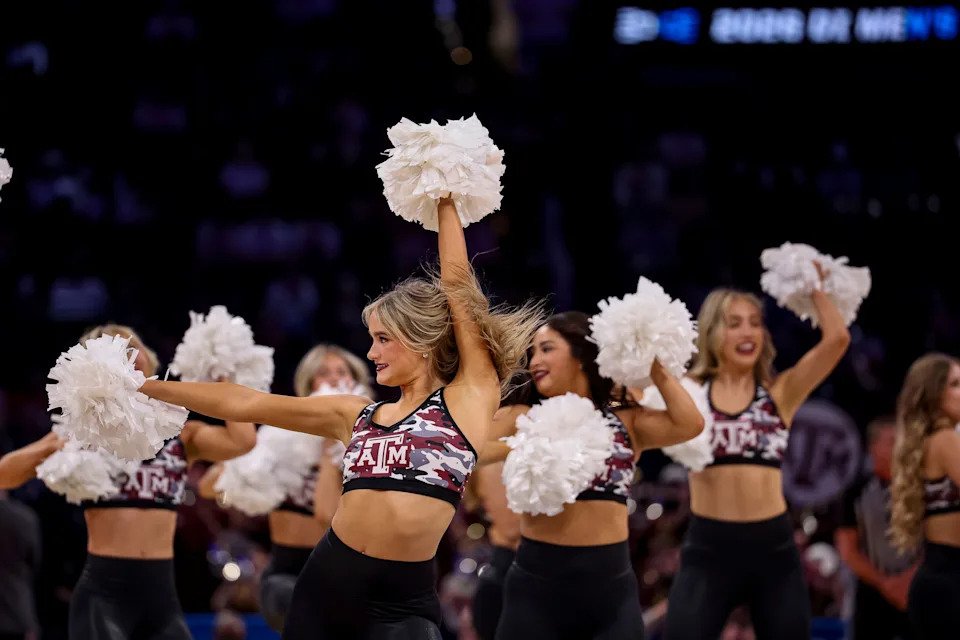
Texas A&M Aggies cheerleaders during a first round game of the men’s 2026 NCAA Tournament at Paycom Center on March 19, 2026 in Oklahoma City.
10 / 37
See best of March Madness 2026, from mascots and fans to celebrities
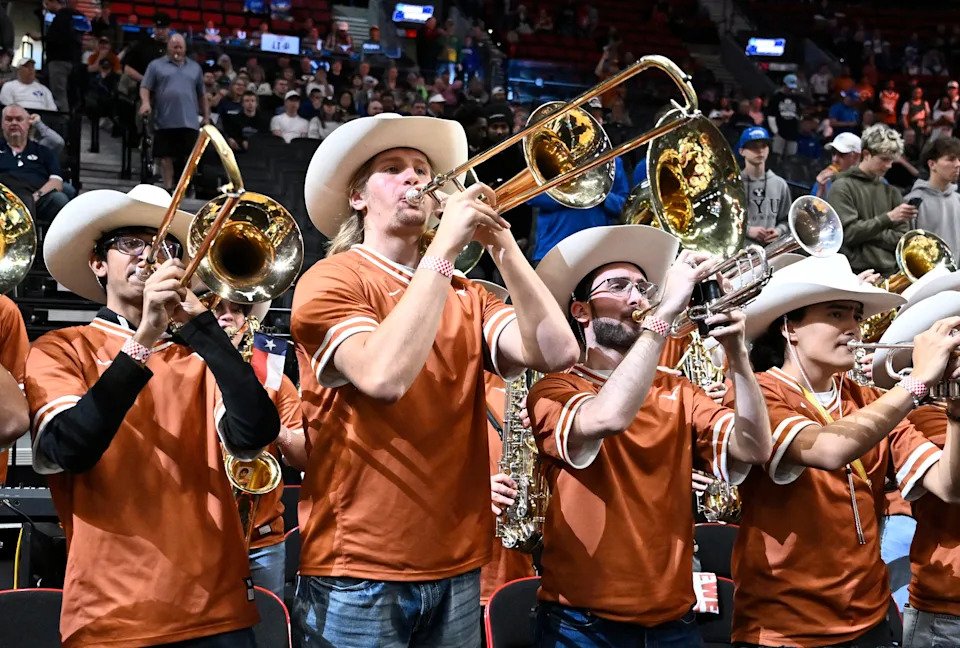
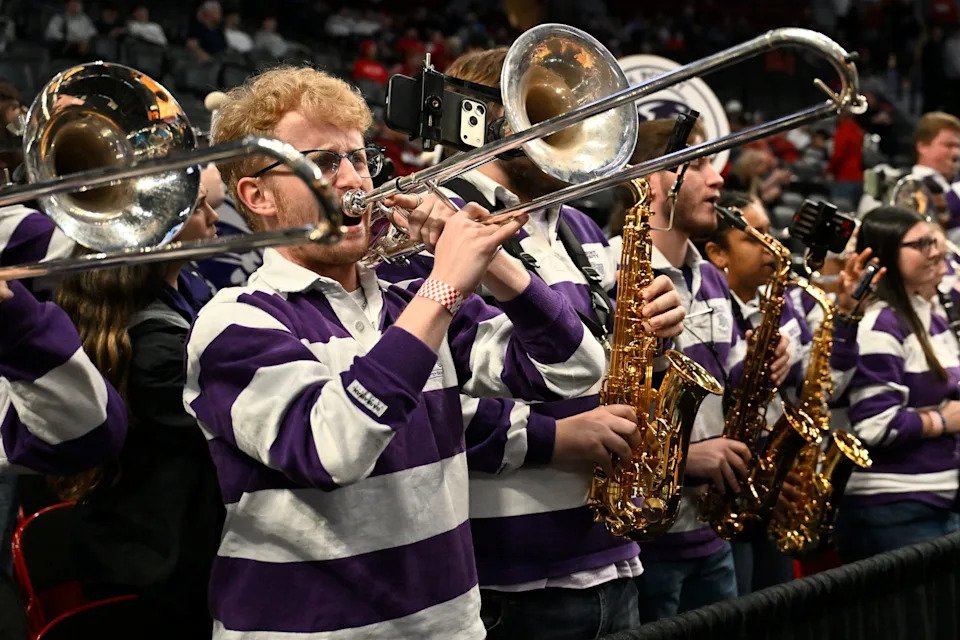
Texas Longhorns band in the first half against the BYU Cougars during a first round game of the men’s 2026 NCAA Tournament at Moda Center on Mar 19, 2026 in Portland.
11 / 37
See best of March Madness 2026, from mascots and fans to celebrities
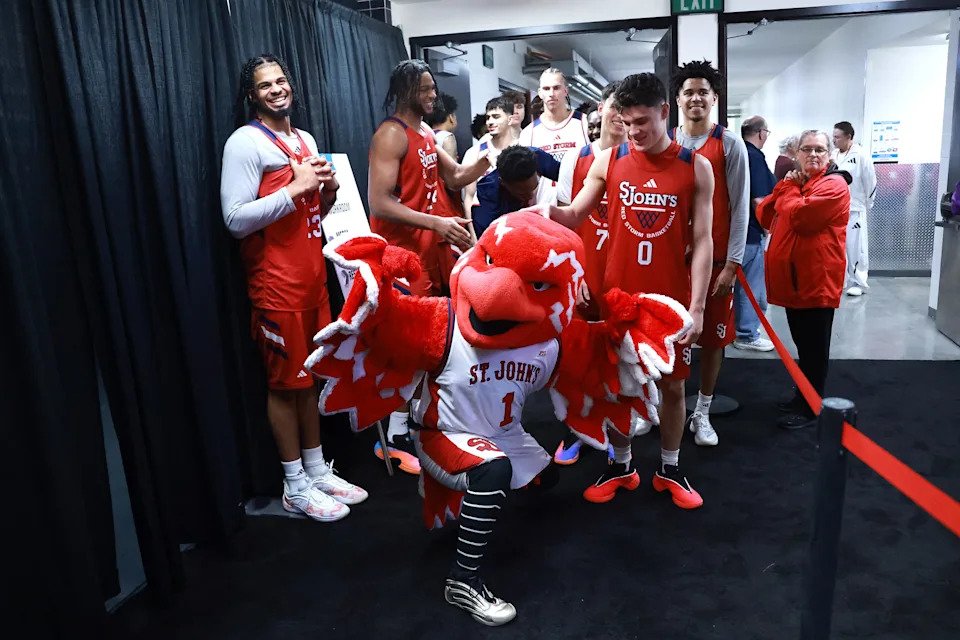
St. John’s Red Storm mascot Johnny Thunder mixes with players prior to taking the court during practice day ahead of the NCAA Men’s Basketball Tournament at Viejas Arena at San Diego State University on March 19, 2026 in San Diego, California.
12 / 37
See best of March Madness 2026, from mascots and fans to celebrities
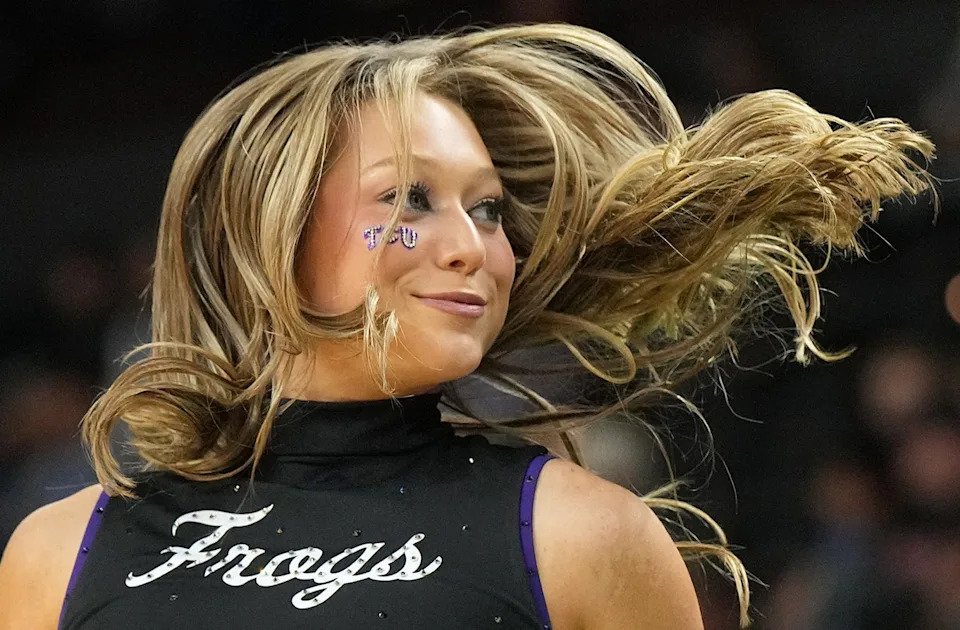
A Texas Christian University Horned Frogs cheerleader practices before the game during a first round game of the men’s 2026 NCAA Tournament at Bon Secours Wellness Arena on March 19, 2026 in Greenville, SC.
13 / 37
See best of March Madness 2026, from mascots and fans to celebrities
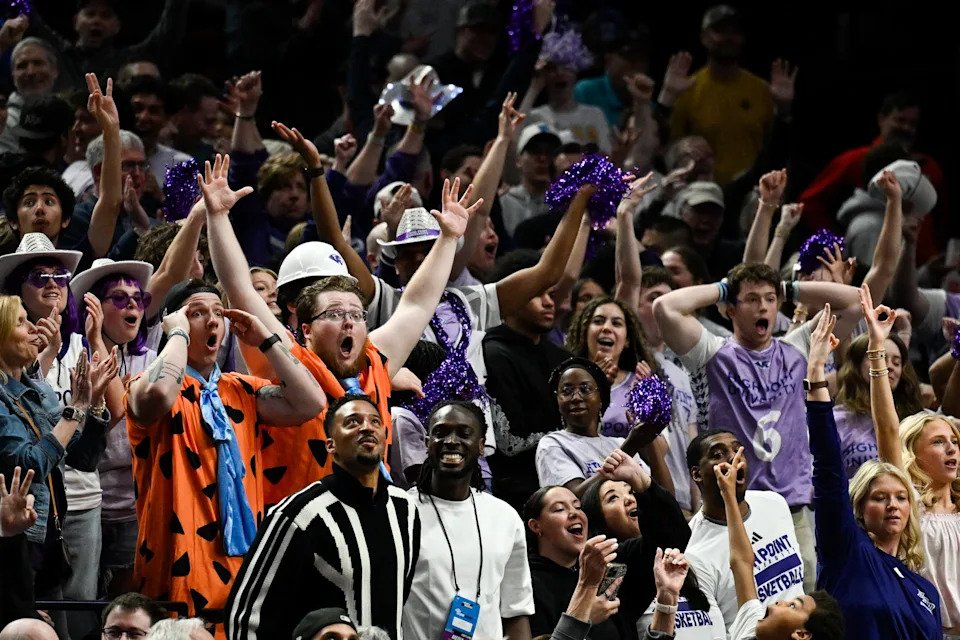
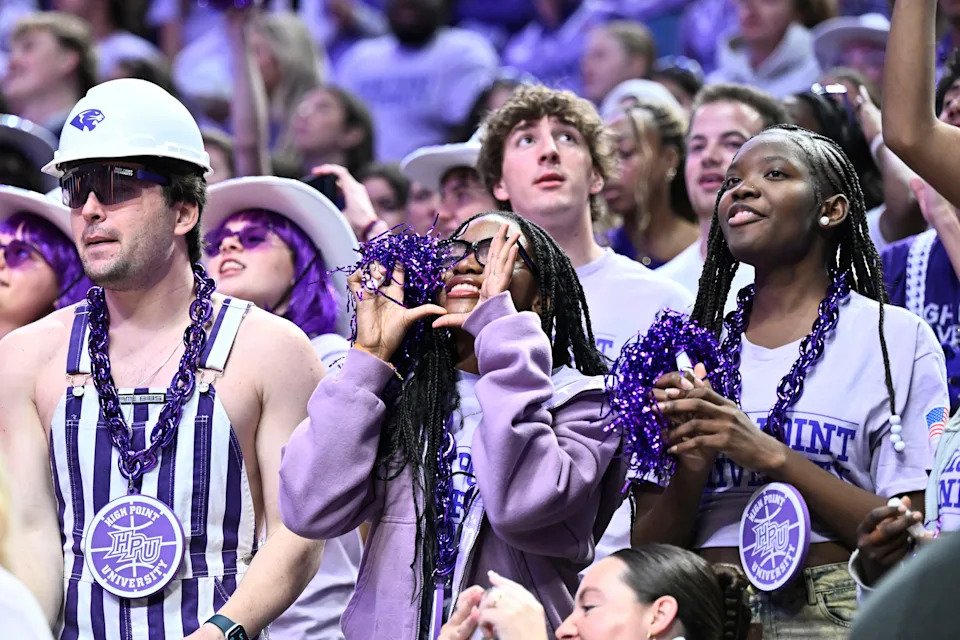
The High Point Panthers fans cheer during the second half of a first round game of the men’s 2026 NCAA Tournament against the Wisconsin Badgers at Moda Center on March 19, 2026 in Portland, Or.
14 / 37
See best of March Madness 2026, from mascots and fans to celebrities
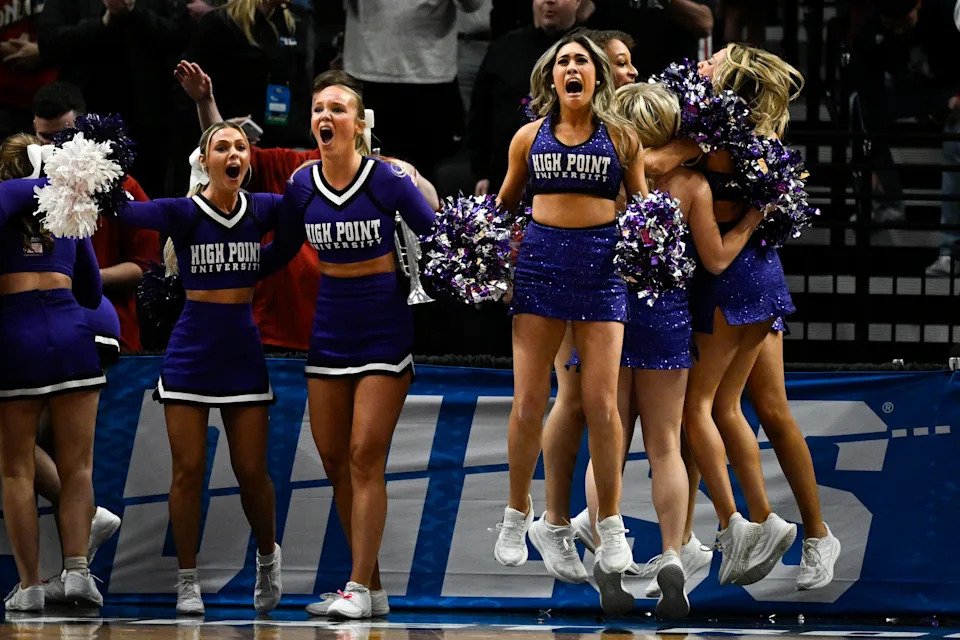
The High Point Panthers cheerleaders react during the second half of a first round game of the men’s 2026 NCAA Tournament against the Wisconsin Badgers at Moda Center on March 19, 2026 in Portland, Or.
15 / 37
See best of March Madness 2026, from mascots and fans to celebrities
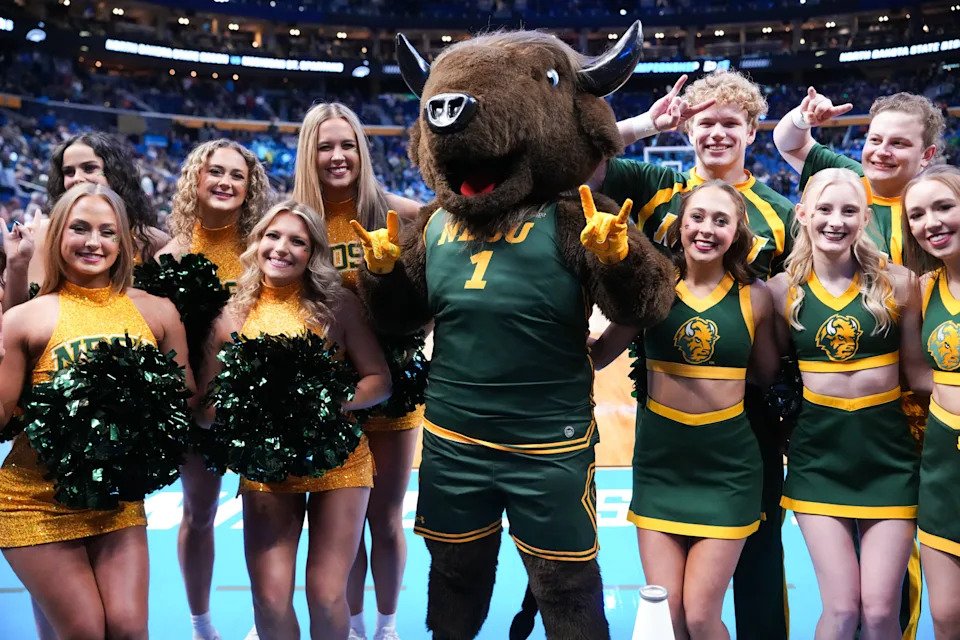
The North Dakota State Bison mascot and cheerleaders pose for a photo before the game against the Michigan State Spartans during a first round game of the men’s 2026 NCAA Tournament at Keybank Center on March 19, 2026 in Buffalo, NY
16 / 37
See best of March Madness 2026, from mascots and fans to celebrities
Nebraska Cornhuskers fans cheer after defeating the Troy Trojans during a first round game of the men’s 2026 NCAA Tournament at Paycom Center on March 19, 2026 in Oklahoma City.
17 / 37
See best of March Madness 2026, from mascots and fans to celebrities
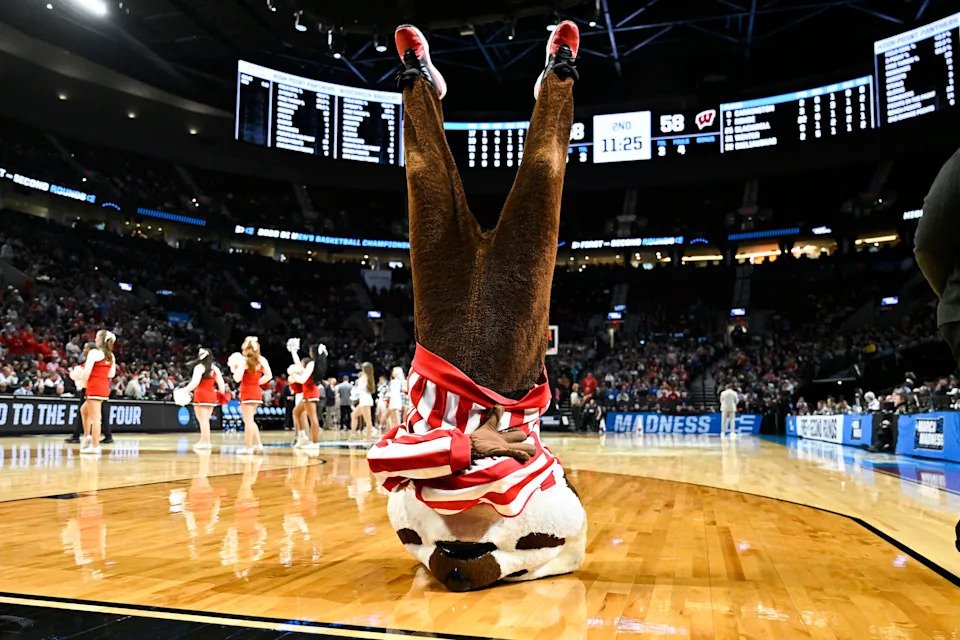
The Wisconsin Badgers mascot performs during a time out during the second half of a first round game of the men’s 2026 NCAA Tournament against the High Point Panthers at Moda Center on March 19, 2026 in Portland.
18 / 37
See best of March Madness 2026, from mascots and fans to celebrities
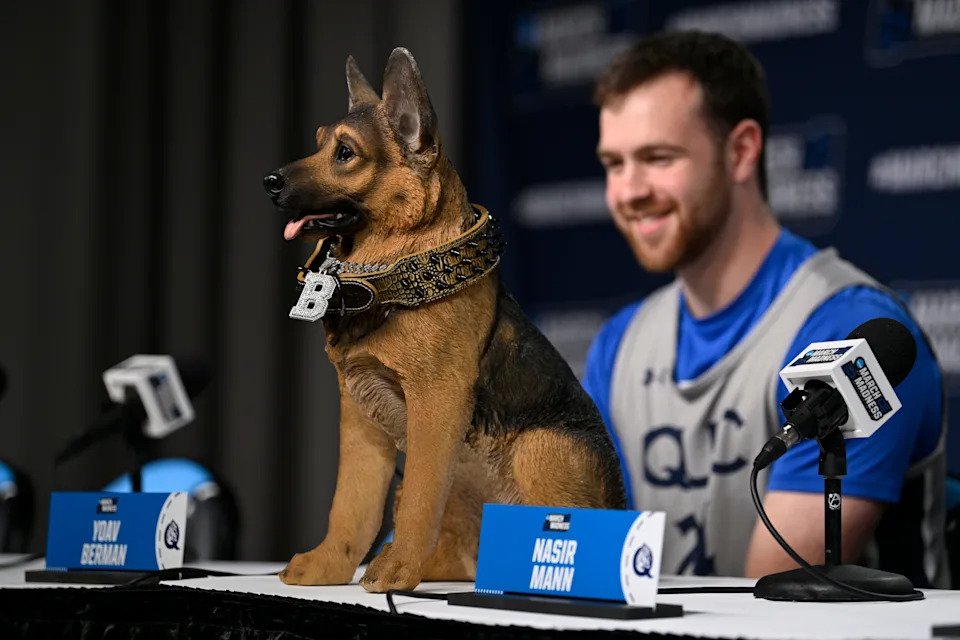
A view of Buddy the Street Dog as Queens University of Charlotte Royals guard Yoav Berman talks to the media during a practice session ahead of the first round of the men’s 2026 NCAA Tournament at Enterprise Center in St. Louis on March 19, 2026.
19 / 37
See best of March Madness 2026, from mascots and fans to celebrities
The High Point Panthers band performs prior to a first round game of the men’s 2026 NCAA Tournament against the Wisconsin Badgers at Moda Center on March 19, 2026 in Portland, Or.
20 / 37
See best of March Madness 2026, from mascots and fans to celebrities
High Point Panthers fans cheer prior to a first round game of the men’s 2026 NCAA Tournament against the Wisconsin Badgers at Moda Center on March 19, 2026 in Portland, Or.
21 / 37
See best of March Madness 2026, from mascots and fans to celebrities
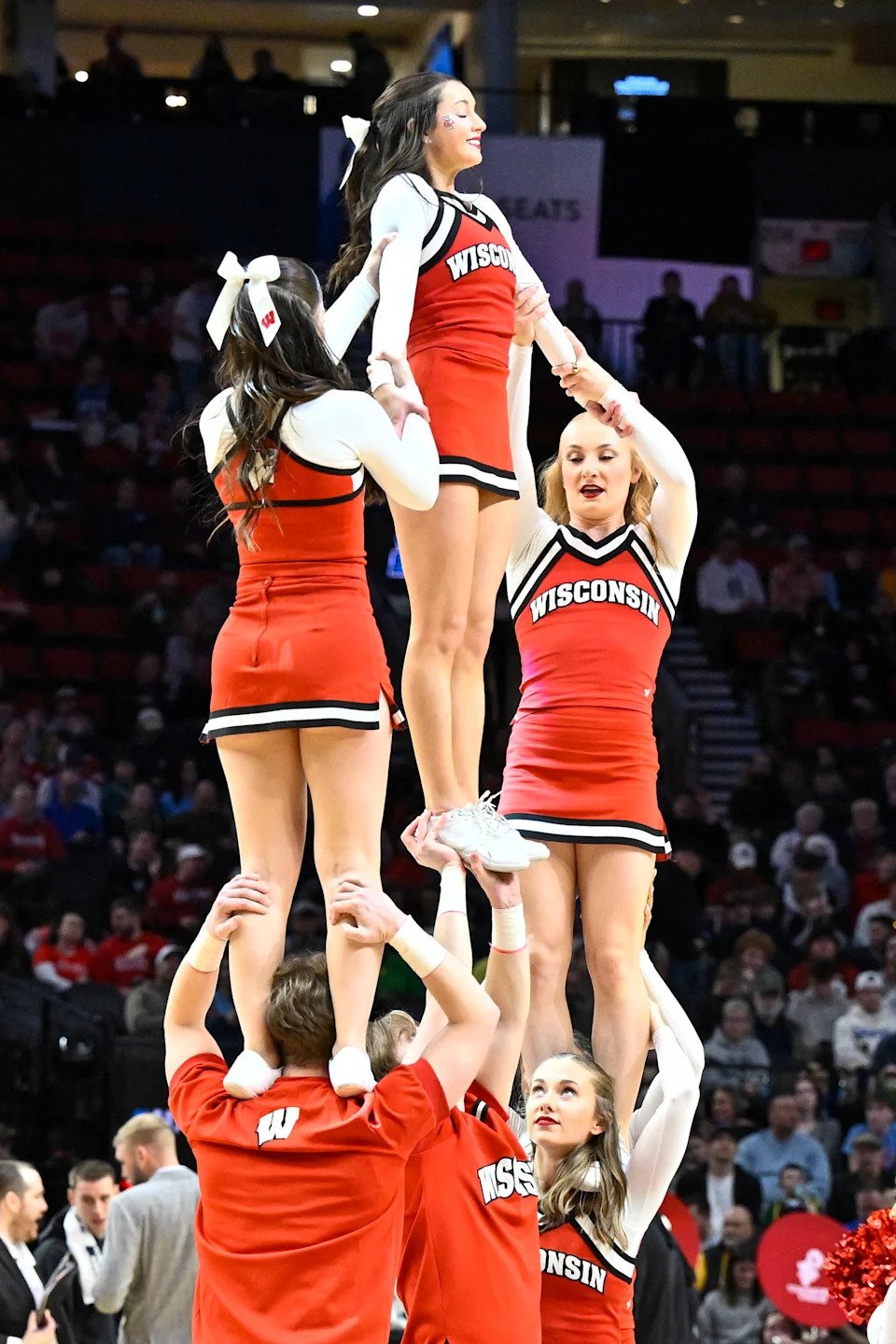
The Wisconsin Badgers cheerleaders preform during the first half of a first round game of the men’s 2026 NCAA Tournament against the High Point Panthers at Moda Center on March 19, 2026 in Portland, Or.
22 / 37
See best of March Madness 2026, from mascots and fans to celebrities
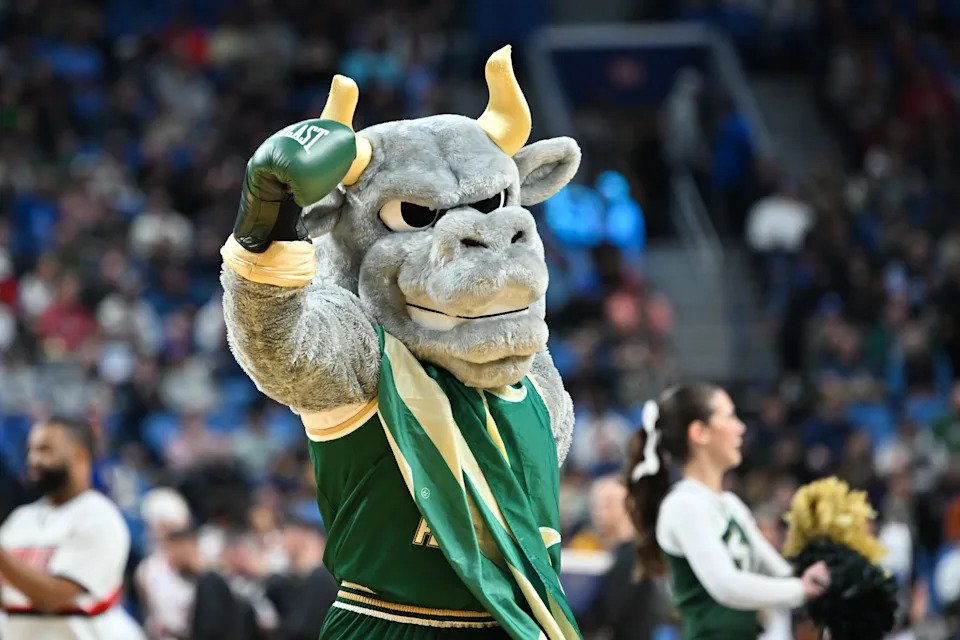
The South Florida Bulls mascot performs during the second half against the Louisville Cardinals during a first round game of the men’s 2026 NCAA Tournament at Keybank Center on March 19, 2026 in Buffalo, NY.
23 / 37
See best of March Madness 2026, from mascots and fans to celebrities
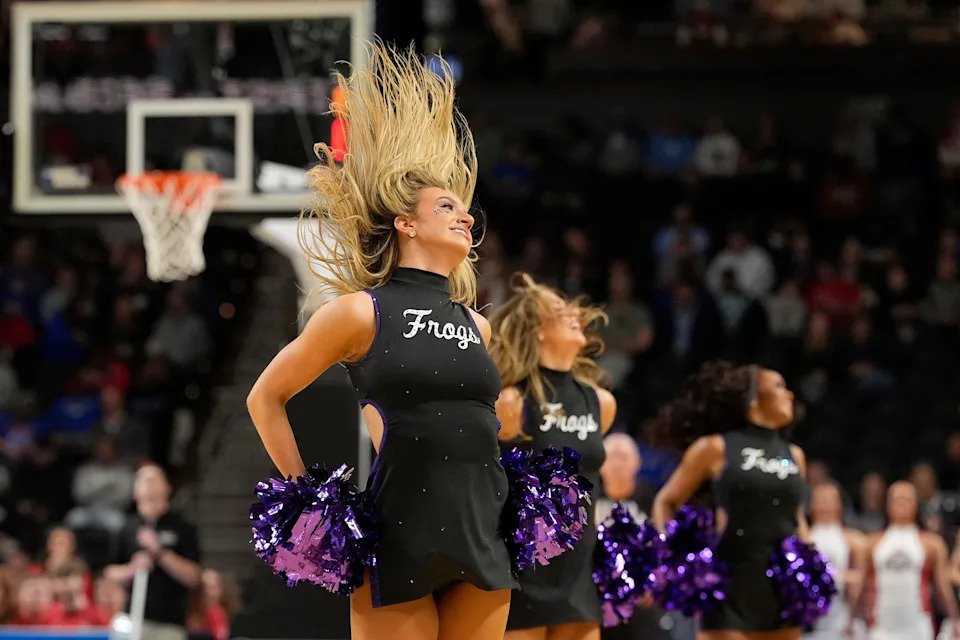
The Texas Christian University Horned Frogs cheerleaders perform in the first half during a first round game of the men’s 2026 NCAA Tournament at Bon Secours Wellness Arena on March 19, 2026 in Greenville, SC.
24 / 37
See best of March Madness 2026, from mascots and fans to celebrities
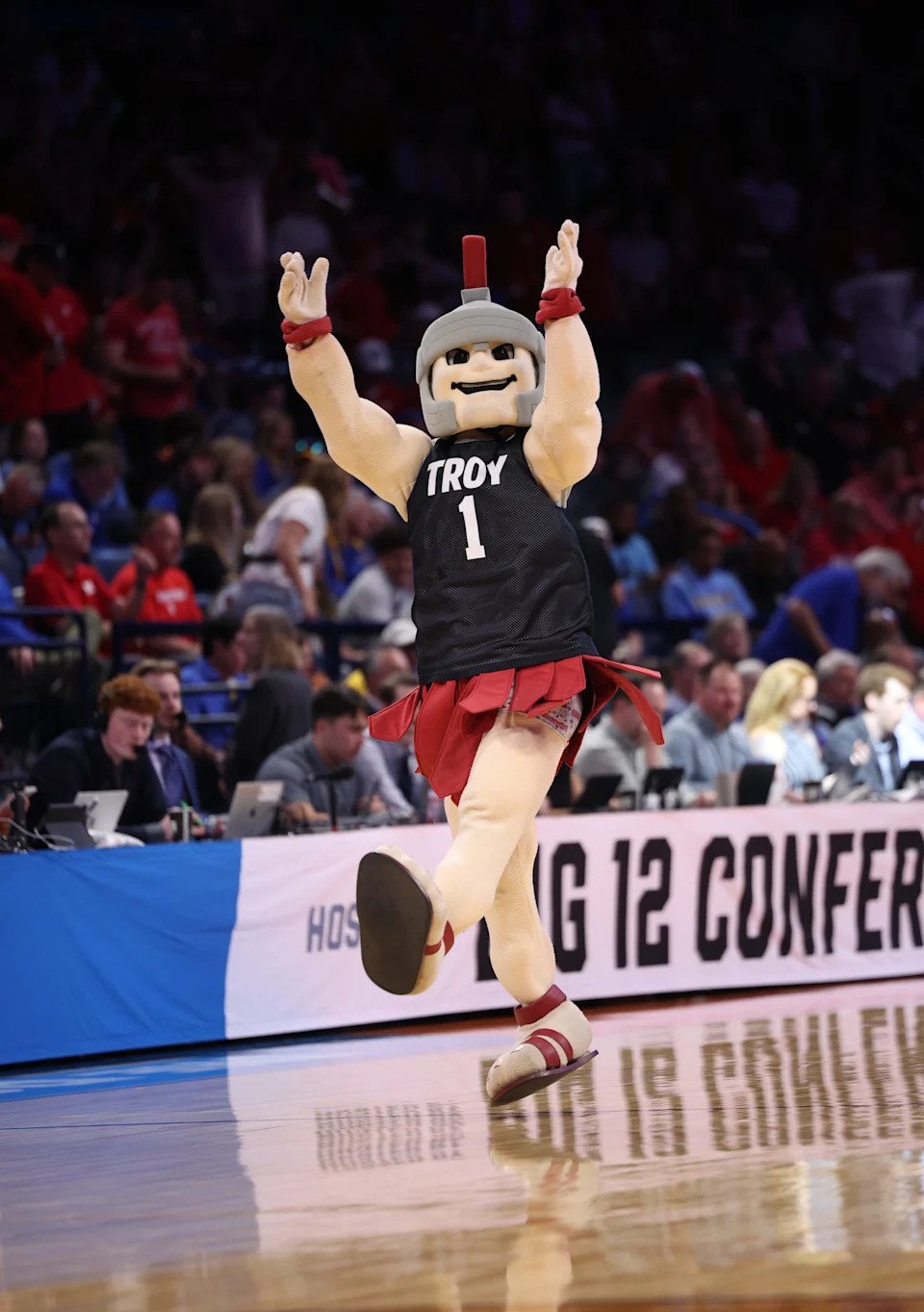
The Troy Trojans mascot dances on the floor during the second half against the Nebraska Cornhuskers during a first round game of the men’s 2026 NCAA Tournament at Paycom Center on March 19, 2026 in Oklahoma City.
25 / 37
See best of March Madness 2026, from mascots and fans to celebrities
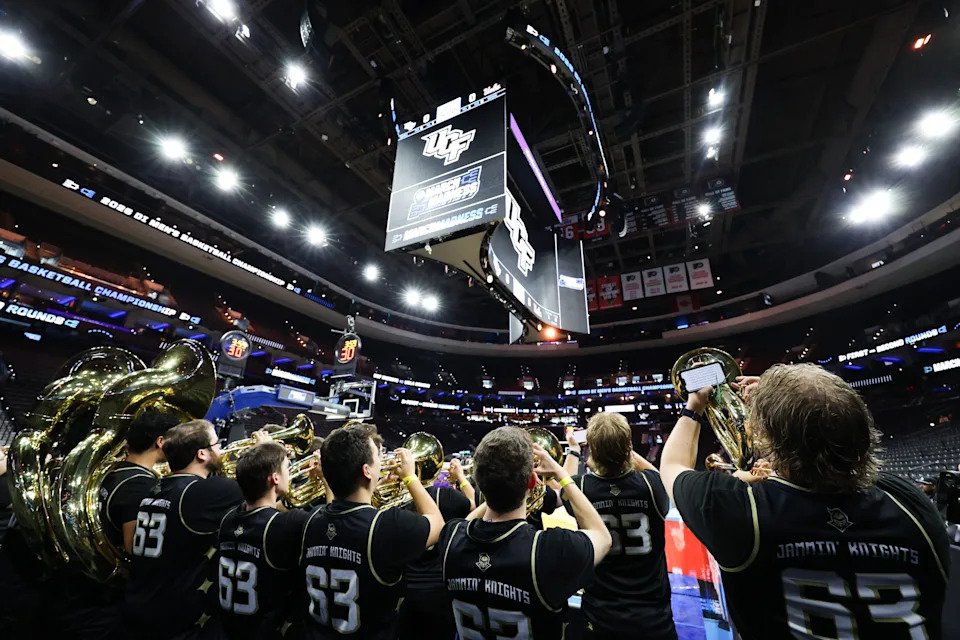
The UCF Knights band performs during a practice session ahead of the first round of the men’s 2026 NCAA Tournament at Xfinity Mobile Arena on March 19, 2026 in Philadelphia.
26 / 37
See best of March Madness 2026, from mascots and fans to celebrities
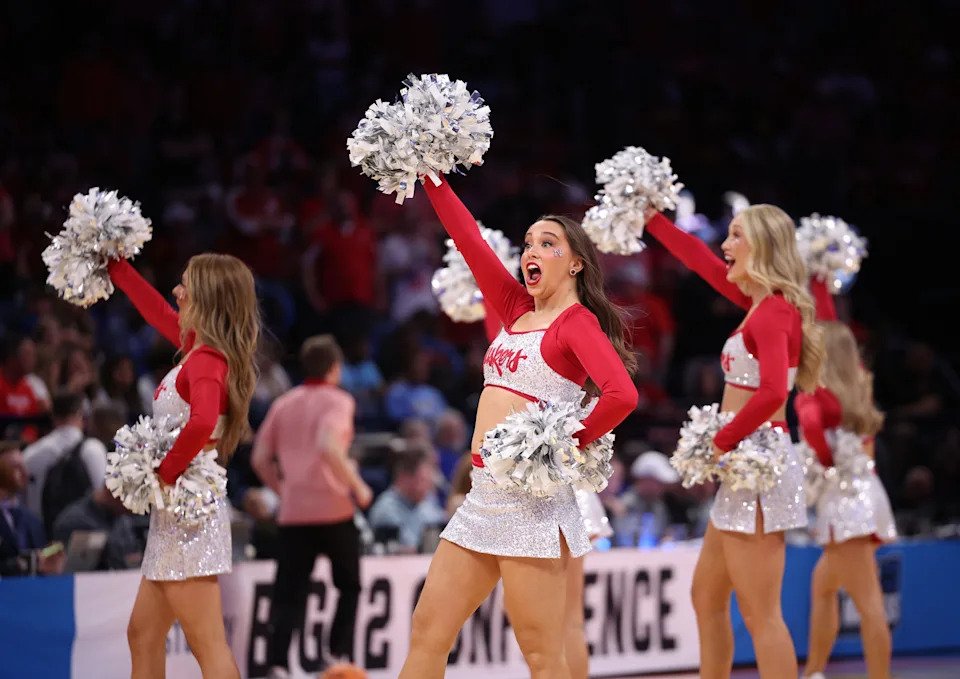
Nebraska Cornhuskers cheerleaders perform during the second half against the Troy Trojans during a first round game of the men’s 2026 NCAA Tournament at Paycom Center on March 19, 2026 in Oklahoma City.
27 / 37
See best of March Madness 2026, from mascots and fans to celebrities
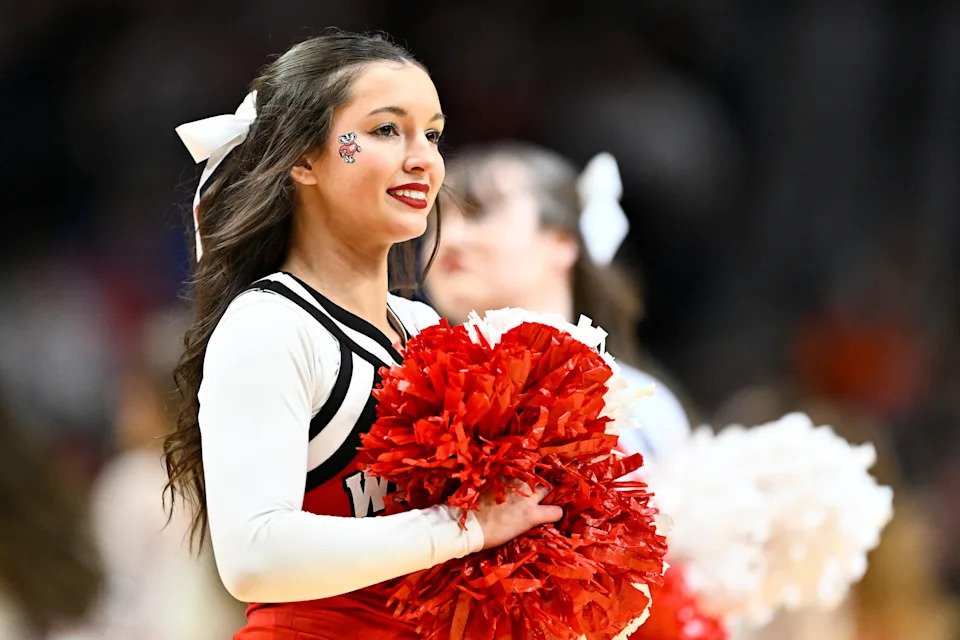
A Wisconsin Badgers cheerleader performs during the first half of a first round game of the men’s 2026 NCAA Tournament against the High Point Panthers at Moda Center on March 19, 2026 in Portland, Or.
28 / 37
See best of March Madness 2026, from mascots and fans to celebrities
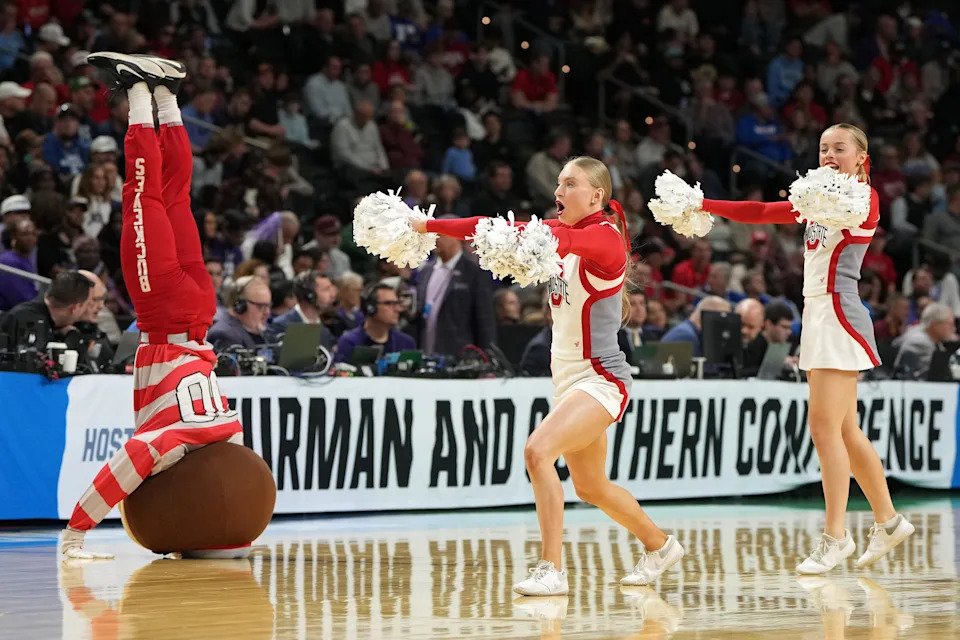
The Ohio State Buckeyes cheerleaders perform in the second half during a first round game of the men’s 2026 NCAA Tournament at Bon Secours Wellness Arena on March 19, 2026 in Greenville, SC.
29 / 37
See best of March Madness 2026, from mascots and fans to celebrities
Akron Zips fans in the first half against the Texas Tech Red Raiders during a first round game of the men’s 2026 NCAA Tournament at Benchmark International Arena on March 20, 2026 in Tampa, Fla.
30 / 37
See best of March Madness 2026, from mascots and fans to celebrities
Texas Tech Red Raiders cheerleaders in the first half against the Akron Zips during a first round game of the men’s 2026 NCAA Tournament at Benchmark International Arena on March 20, 2026 in Tampa, Fla.
31 / 37
See best of March Madness 2026, from mascots and fans to celebrities
Santa Clara Broncos fans react to game play against the Kentucky Wildcats during the second half of a first round game of the men’s 2026 NCAA Tournament at Enterprise Center on March 20, 2026 in St. Louis, MO.
32 / 37
See best of March Madness 2026, from mascots and fans to celebrities
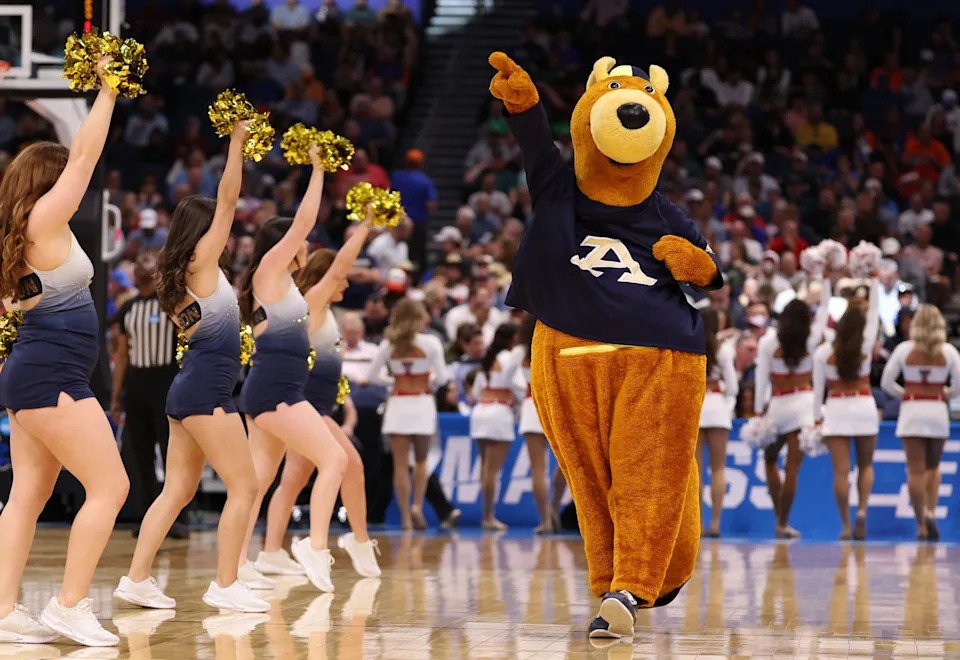
Akron Zips cheerleaders and mascot in the second half against the Texas Tech Red Raiders during a first round game of the men’s 2026 NCAA Tournament at Benchmark International Arena on March 20, 2026 in Tampa, Fla.
33 / 37
See best of March Madness 2026, from mascots and fans to celebrities
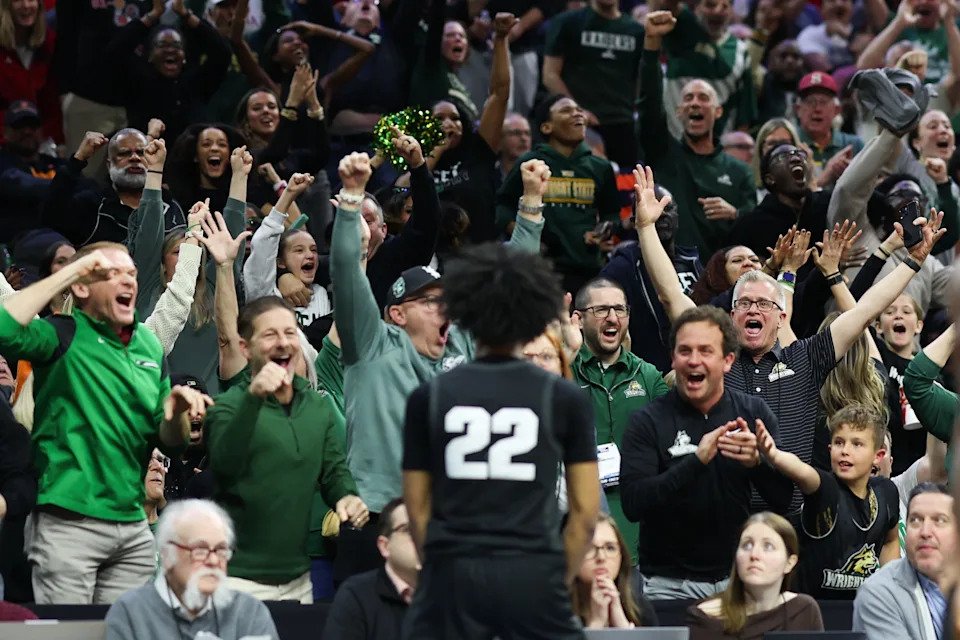
Wright State Raiders fans celebrate after a Wright State Raiders guard TJ Burch (22) scores during the second half against the Virginia Cavaliers during a first round game of the men’s 2026 NCAA Tournament at Xfinity Mobile Arena on March 20, 2026 in Philadelphia, PA.
34 / 37
See best of March Madness 2026, from mascots and fans to celebrities
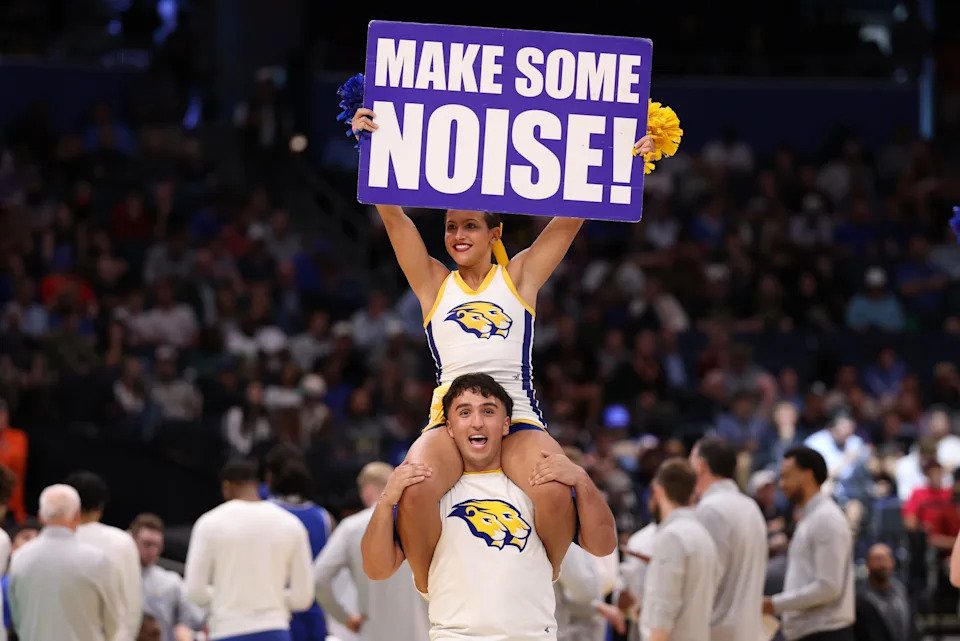
Hofstra Pride cheerleaders in the second half against the Alabama Crimson Tide during a first round game of the men’s 2026 NCAA Tournament at Benchmark International Arena on March 20, 2026 in Tampa, Fla.
35 / 37
See best of March Madness 2026, from mascots and fans to celebrities
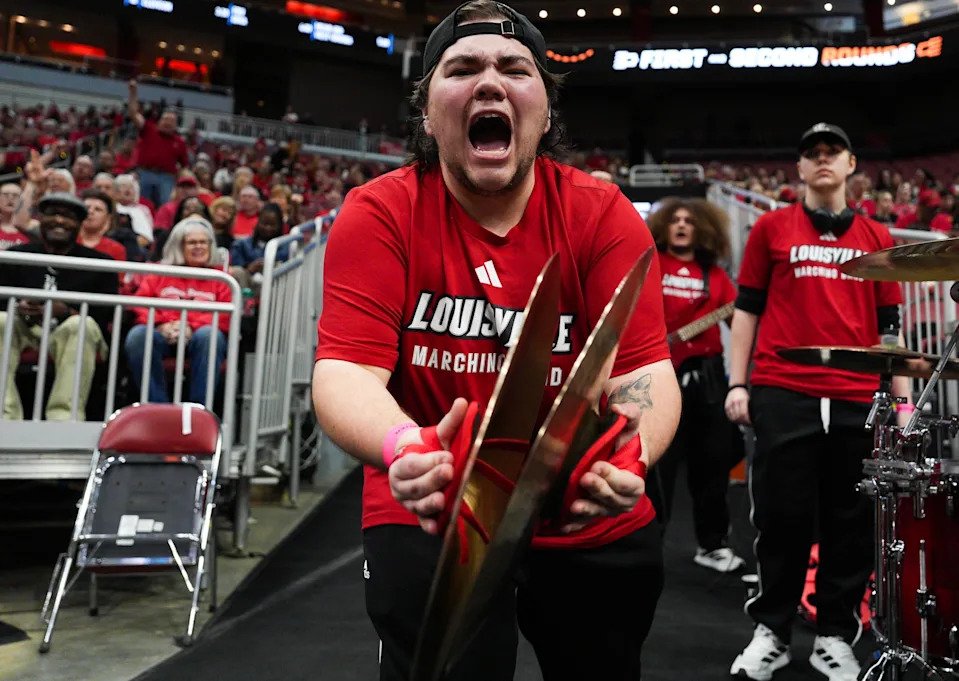
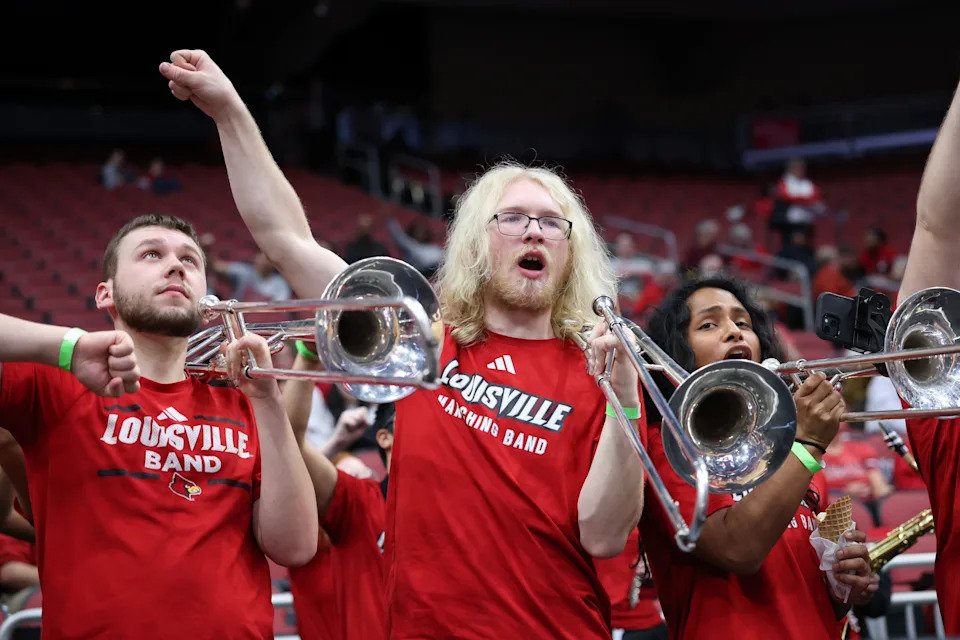
Garth Noble of the Louisville pep band is amped at the 2026 NCAA Women’s March Madness basketball tournament at the KFC Yum Center In Louisville, Kentucky. March 21, 2026.
36 / 37
See best of March Madness 2026, from mascots and fans to celebrities
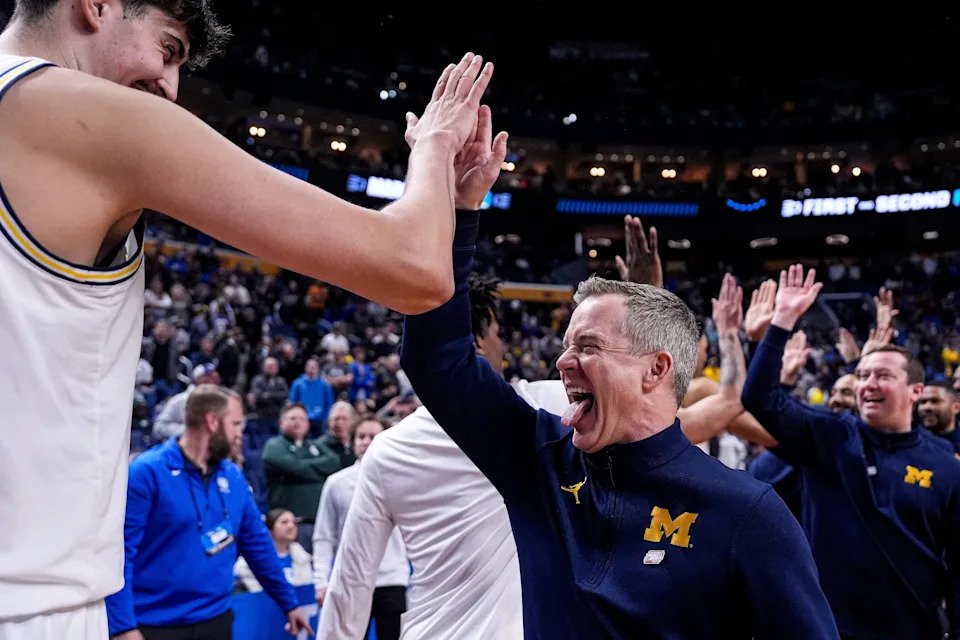
Michigan head coach Dusty May high-fives players after 95-72 win over Saint Louis at the NCAA Tournament Second Round at KeyBank Center in Buffalo on Saturday, March 21, 2026.
37 / 37
See best of March Madness 2026, from mascots and fans to celebrities
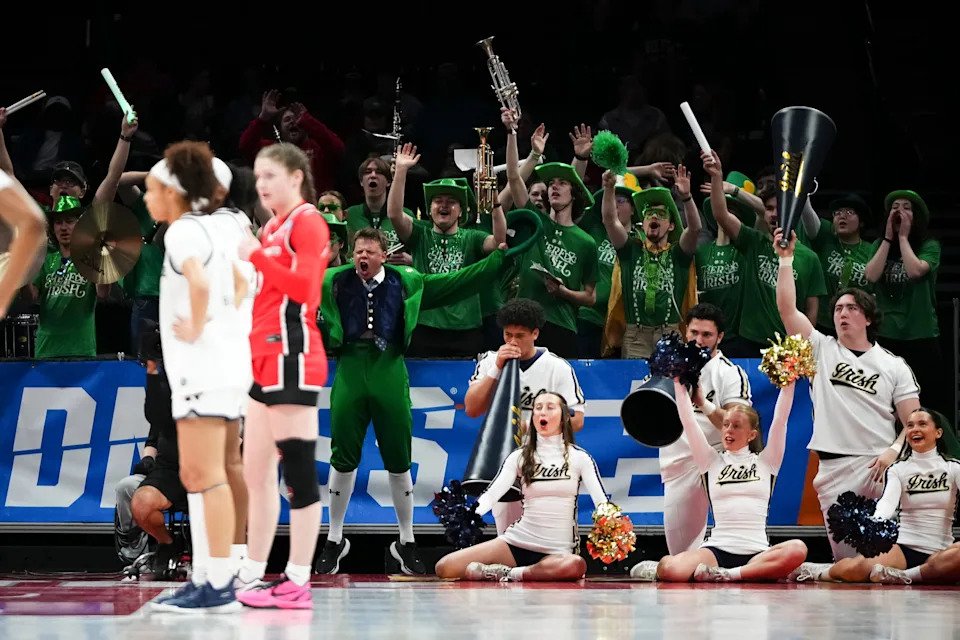
The Notre Dame Fighting Irish band and spirit squad cheer during the first round of the NCAA women’s basketball tournament against the Fairfield Stags at Ohio State’s Schottenstein Center in Columbus on March 21, 2026.
“And so, from my point of view, the more teams we can get into the tournament and make it work logistically and mathematically, the better,” Baker said in February, per ESPN. “It gives more kids the opportunity to experience that.”
But does that logic hold water? Oklahoma is a perennial fringe case, whereas Auburn vs Miami (Ohio) was one of the most hotly contested one-to-one topics last season. On the women’s side, the difference is even more stark, where the top-heavy nature of the tournament creates huge disparities in early rounds. No. 16 Harvard defeated No. 1 Stanford in 1998, whereas No. 10 Virginia made a run this year that included a win over No. 2 Iowa. But there needs to be consistent competition to make the changes worthwhile.
With that in mind, here’s a look at how the brackets would have shaken out in 2026 had this format been adopted. Assume the first 68 seeds would have remained the same. Here are the eight teams who would have gotten in for men’s and women’s.
2026 men’s teams to get in with 76-team NCAA Tournament
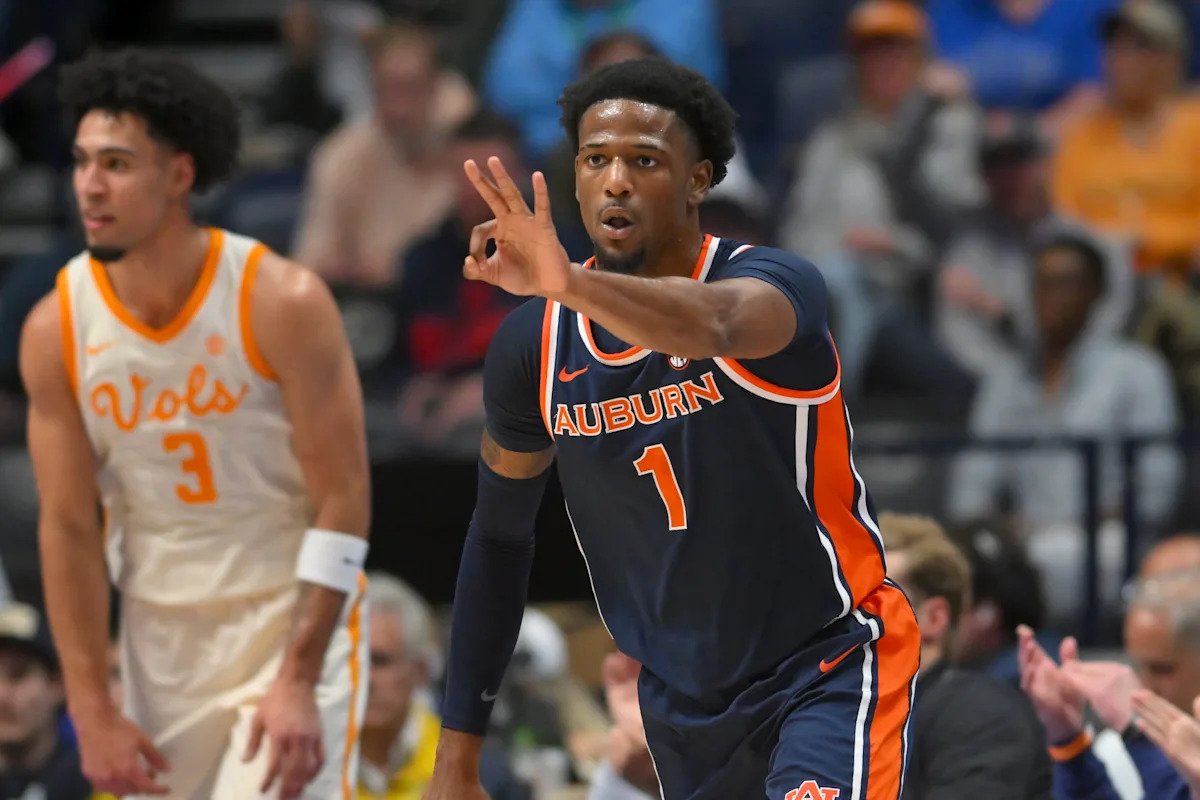
Four of the eight teams who would get in under the new format are already known. No. 69 Oklahoma, No. 70 Auburn, No. 71 San Diego State, and No. 72 Indiana would all get in. Seton Hall and New Mexico would ostensibly be next on the list. Virginia Tech would be another fringe case, with Stanford rounding out the field. That would make Cincinnati the biggest question mark on the list, and team No. 77. Cincinnati, of course, had fired coach Wes Miller leading into Selection Sunday. But the butterfly effect of a 76-team field is drastic, so we’re going assume all things equal here.
This would create four No. 12 play-in games, two No. 15s, and four No. 16s. 12 seeds would be relegated to 13-seeds. Notably, the only non-power adds would be San Diego State and New Mexico, two teams with recent success. When access is brought up, it is brought up for at-large power schools for the most part.
1 / 13
See women’s March Madness 2026, from mascots and fans to celebrities
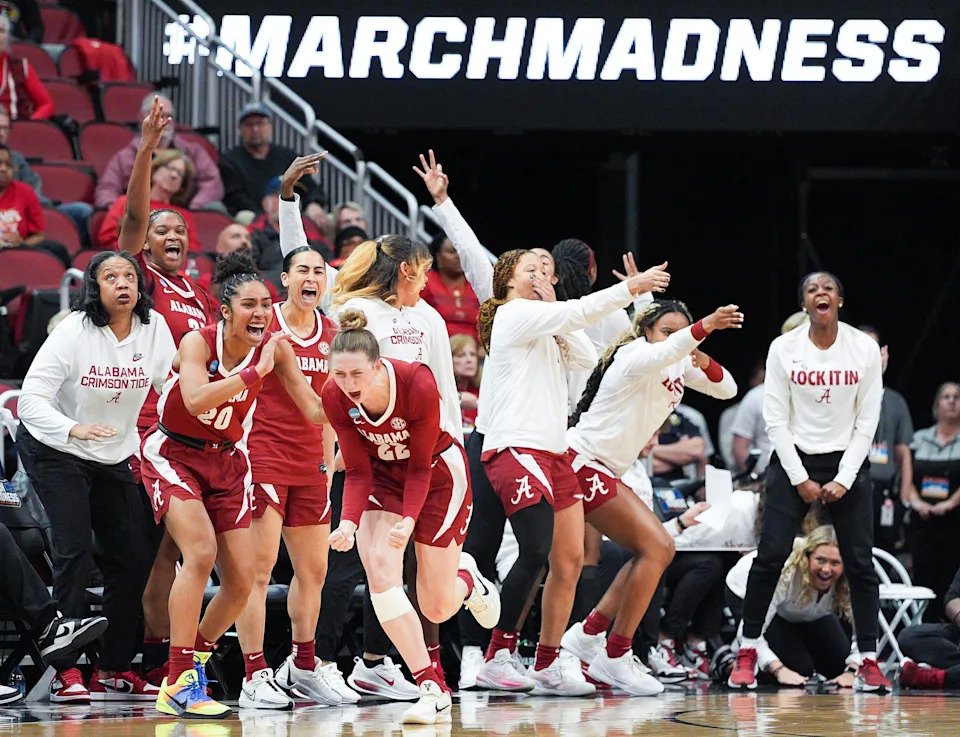
The Alabama bench celebrate after a big three-point shot by Alabama Crimson Tide guard Karly Weathers (22) in the fourth quarter against Louisville during the 2026 NCAA Women’s March Madness Second Round basketball at the KFC Yum Center In Louisville, Ky. Weathers finished with 13 points. March 23, 2026.
1 / 13
See women’s March Madness 2026, from mascots and fans to celebrities
The Alabama bench celebrate after a big three-point shot by Alabama Crimson Tide guard Karly Weathers (22) in the fourth quarter against Louisville during the 2026 NCAA Women’s March Madness Second Round basketball at the KFC Yum Center In Louisville, Ky. Weathers finished with 13 points. March 23, 2026.
2 / 13
See women’s March Madness 2026, from mascots and fans to celebrities
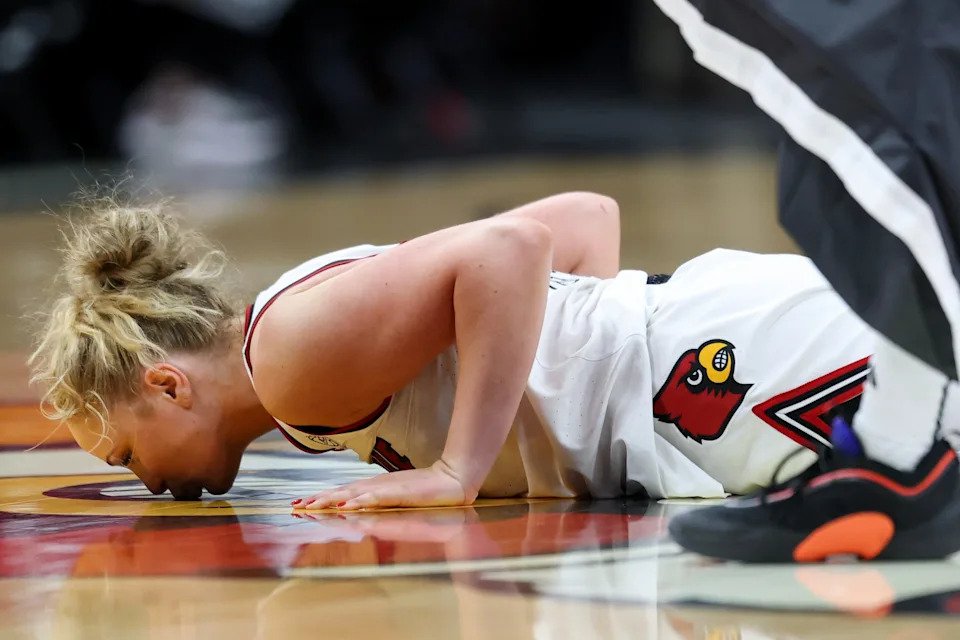
Laura Ziegler of the Louisville Cardinals kisses the court after her team’s 69-68 victory over the Alabama Crimson Tide in the second round of the 2026 NCAA Women’s Basketball Tournament at KFC YUM! Center on March 23, 2026 in Louisville, Ky.
3 / 13
See women’s March Madness 2026, from mascots and fans to celebrities
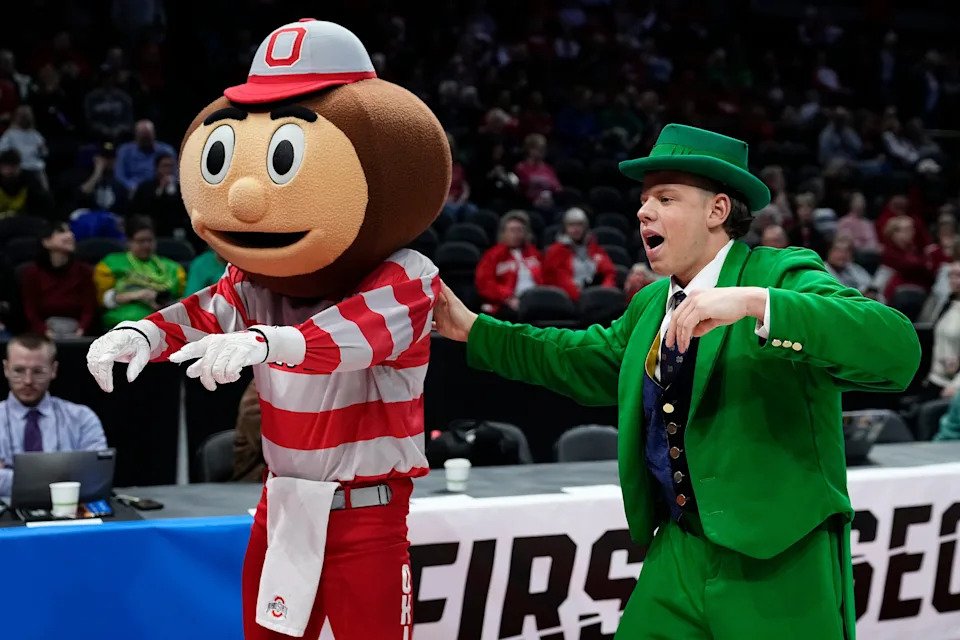
Ohio State mascot Brutus Buckeye and the Notre Dame Fighting Irish leprechaun mascot cheer prior to the NCAA women’s basketball tournament second round game at the Jerome Schottenstein Center in Columbus on March 23, 2026.
4 / 13
See women’s March Madness 2026, from mascots and fans to celebrities
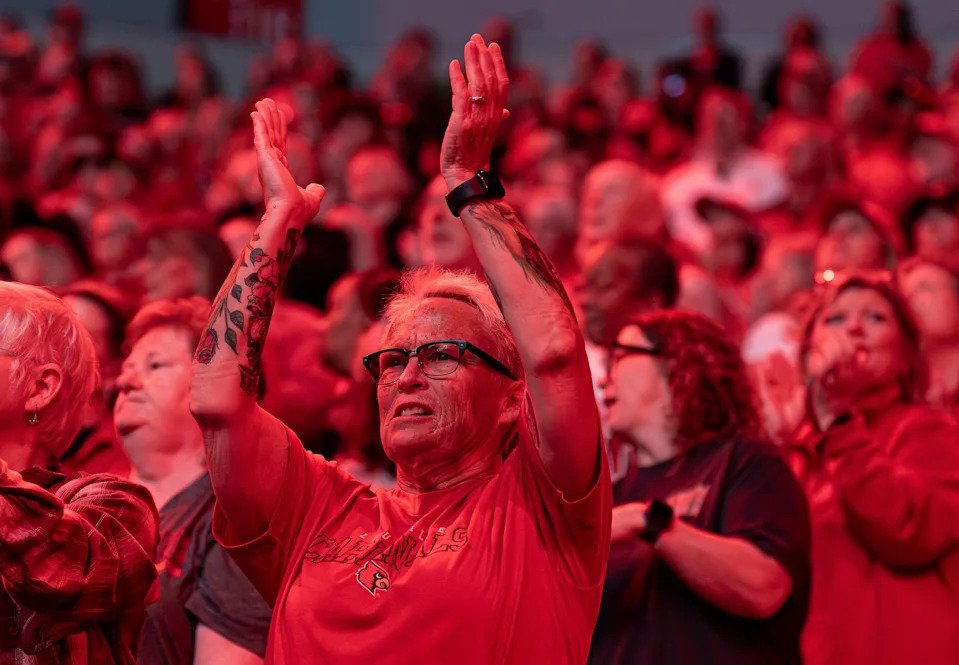
Louisville fans cheer during a first-round game between the Louisville Cardinals and Vermont Catamounts in the 2026 NCAA WomenâÕs Basketball Tournament at the KFC Yum Center, March 21, 2026, in Louisville, Ky.
5 / 13
See women’s March Madness 2026, from mascots and fans to celebrities
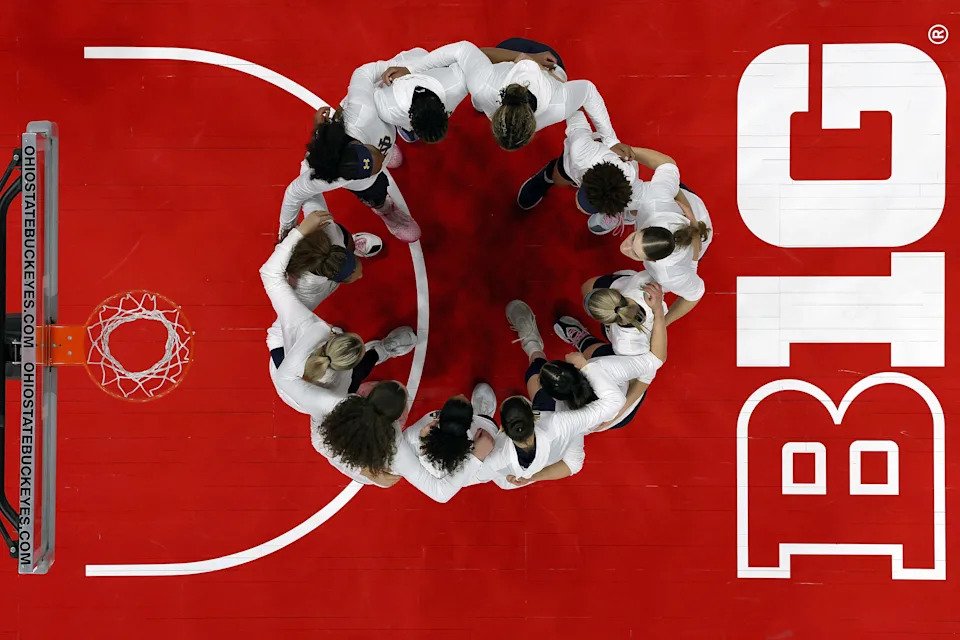
The Notre Dame Fighting Irish huddle up prior to the start of the NCAA Women’s Basketball Tournament Second Round game against the Ohio State Buckeyes at Jerome Schottenstein Center on March 23, 2026 in Columbus, Ohio. Notre Dame defeated Ohio Sate 83-73.
6 / 13
See women’s March Madness 2026, from mascots and fans to celebrities
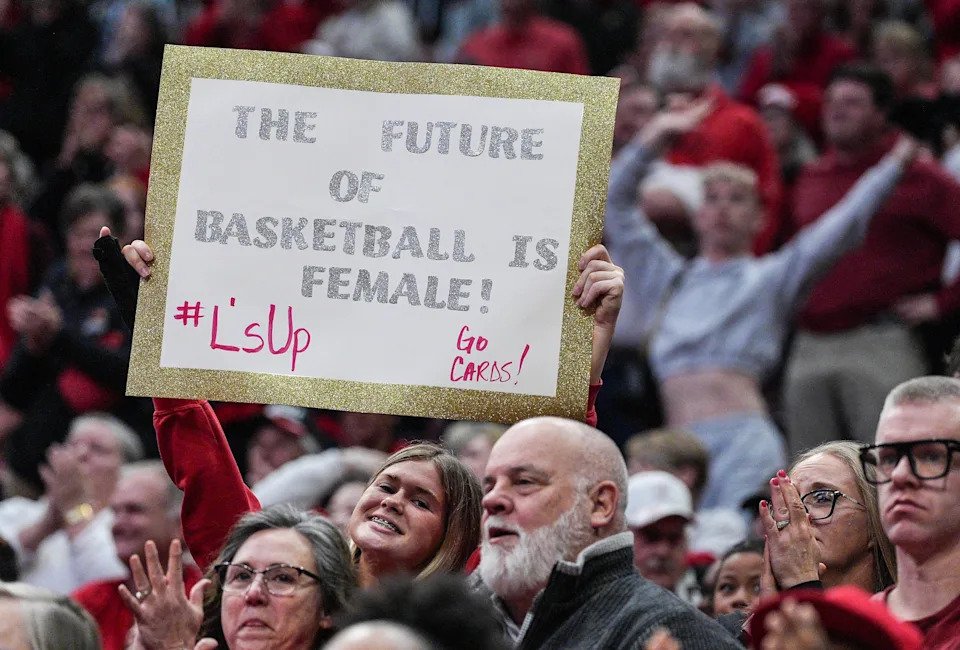
A Louisville fan held a sign in the final seconds as the Cards defeated Alabama 69-68 to move on to the Sweet 16 during the 2026 NCAA Women’s March Madness Second Round basketball at the KFC Yum Center In Louisville, Ky. March 23, 2026.
7 / 13
See women’s March Madness 2026, from mascots and fans to celebrities
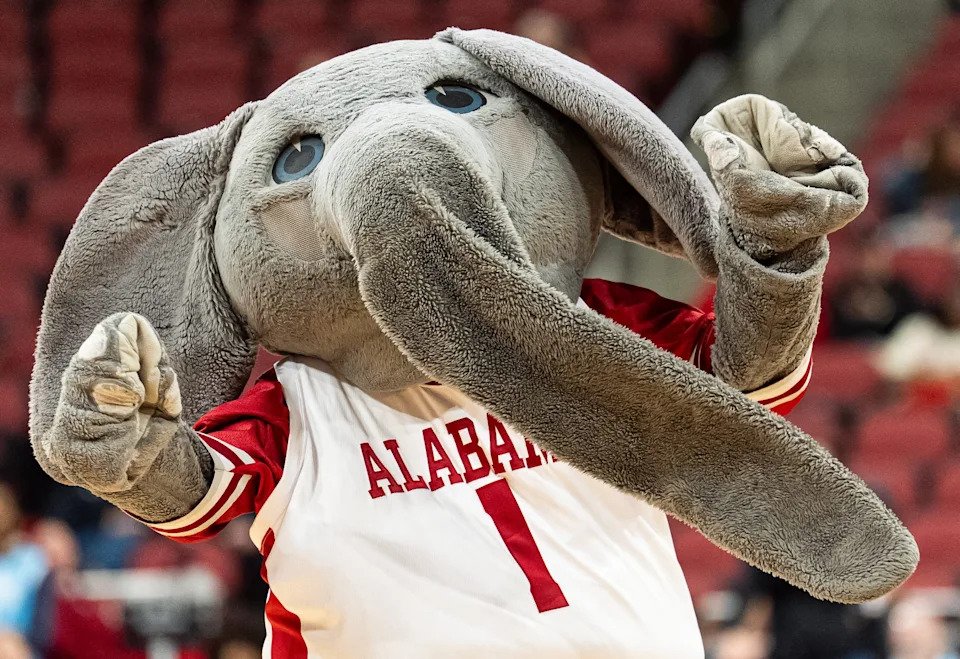
Alabama mascot Big Al works the crowd during a first-round game between the Rhode Island Rams and Alabama Crimson Tide in the 2026 NCAA WomenÕs Basketball Tournament at the KFC Yum Center, March 21, 2026, in Louisville, Ky.
8 / 13
See women’s March Madness 2026, from mascots and fans to celebrities
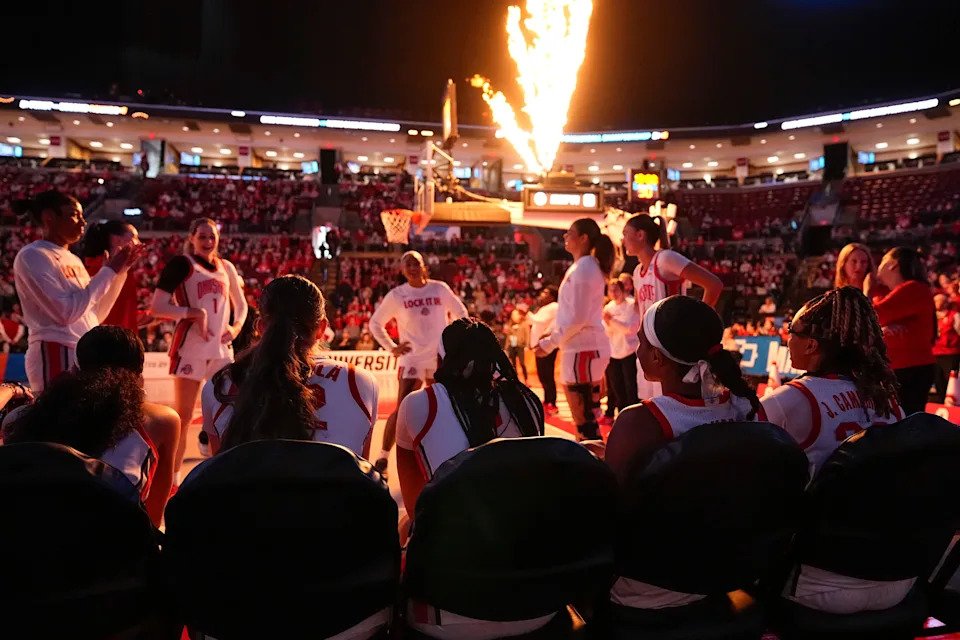
The Ohio State Buckeyes sit for the starting lineup prior to the NCAA women’s basketball tournament second round game against the Notre Dame Fighting Irish at the Jerome Schottenstein Center in Columbus on March 23, 2026.
9 / 13
See women’s March Madness 2026, from mascots and fans to celebrities
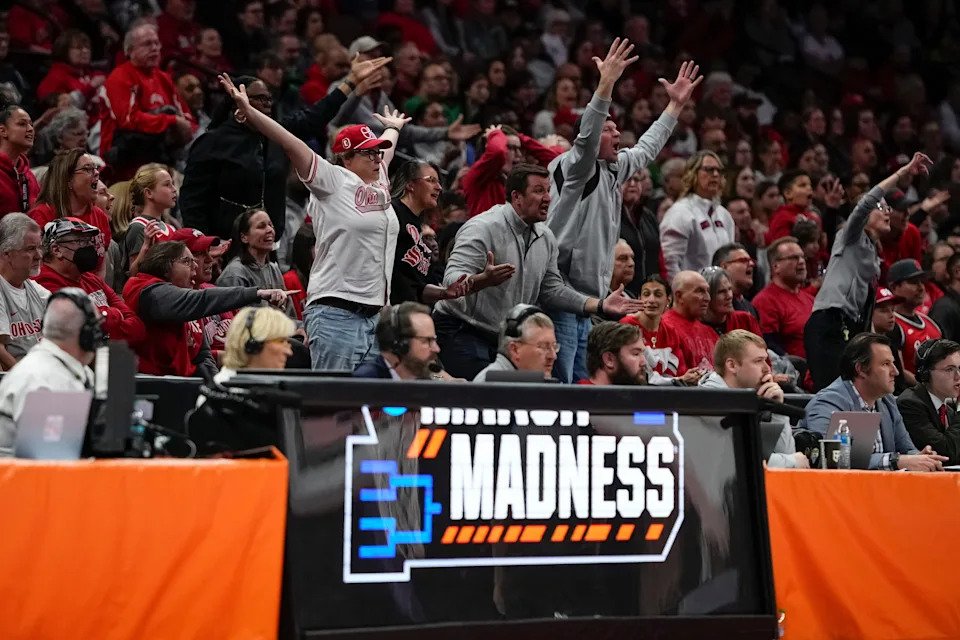
Ohio State Buckeyes fans react to a foul call during the NCAA women’s basketball tournament second round game against the Notre Dame Fighting Irish at the Jerome Schottenstein Center in Columbus on March 23, 2026.
10 / 13
See women’s March Madness 2026, from mascots and fans to celebrities
A member of the Louisville Cardinals band performs during the third quarter against the Alabama Crimson Tide in the second round of the 2026 NCAA Women’s Basketball Tournament at KFC YUM! Center on March 23, 2026 in Louisville, Ky.
11 / 13
See women’s March Madness 2026, from mascots and fans to celebrities
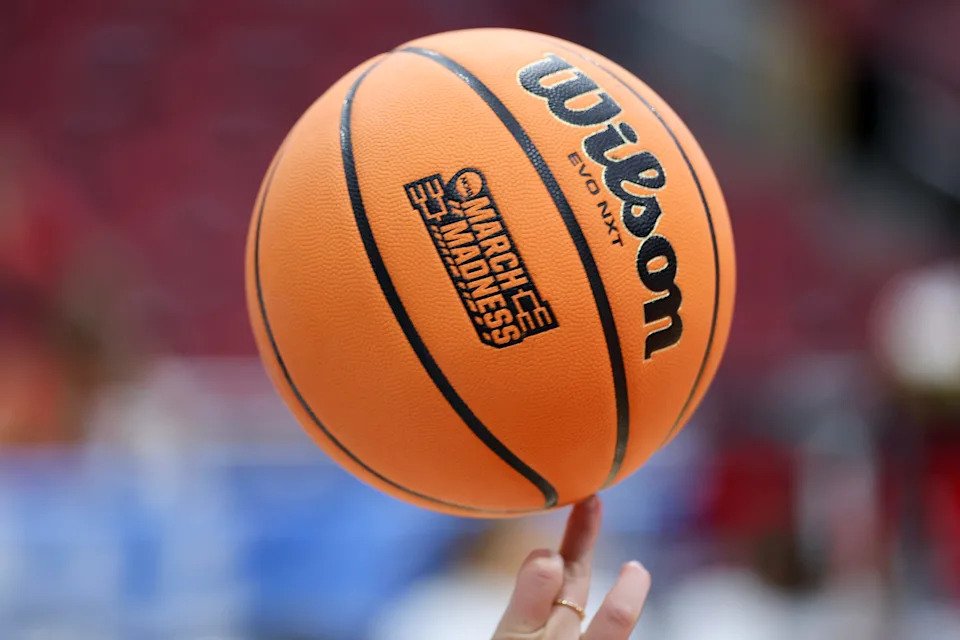
A player spins a basketball branded with the NCAA logo before a game between the Alabama Crimson Tide and the Louisville Cardinals in the second round of the 2026 NCAA Women’s Basketball Tournament at KFC YUM! Center on March 23, 2026 in Louisville, Ky.
12 / 13
See women’s March Madness 2026, from mascots and fans to celebrities
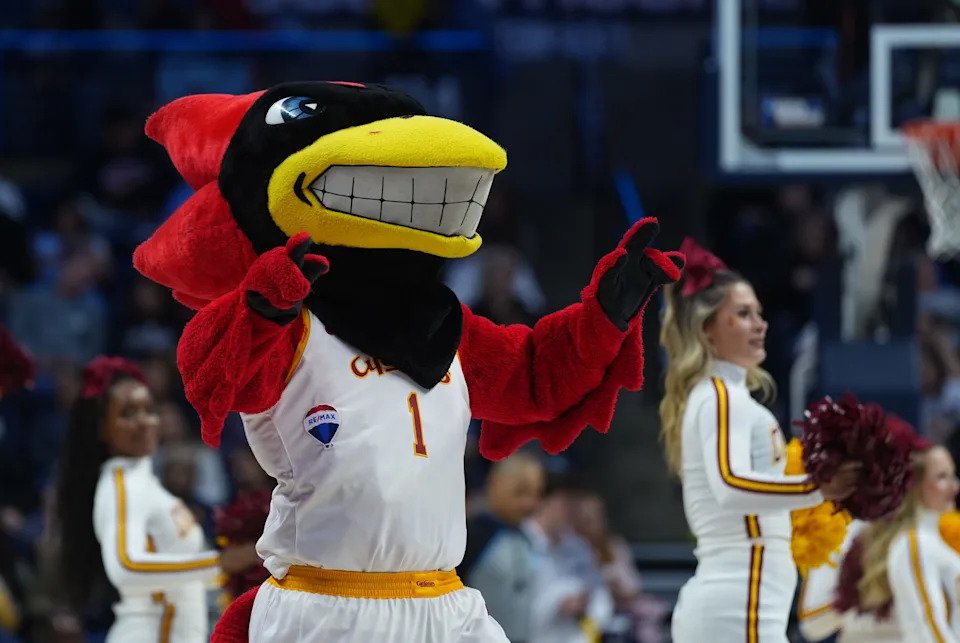
The Iowa State Cyclones mascot on the court during a break against the Syracuse Orange in the first half at Harry A. Gampel Pavilion in Storrs, Ct. on Mar 21, 2026.
13 / 13
See women’s March Madness 2026, from mascots and fans to celebrities
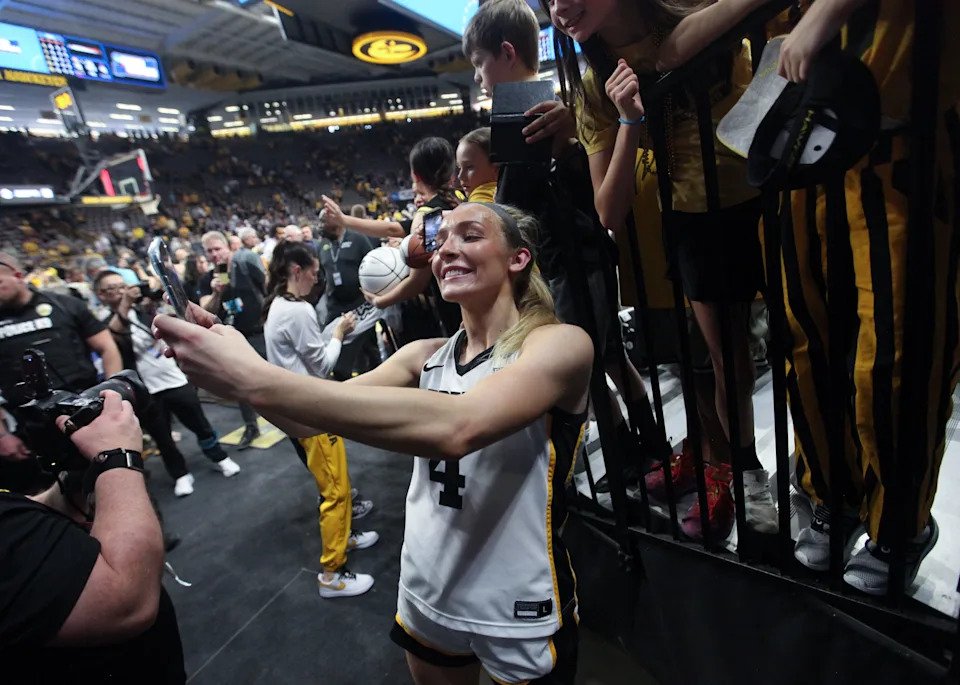
Guard Kylie Feuerbach #4 of the Iowa Hawkeyes interacts with fans after a match-up against the FDU Knights on March 21, 2026 at Carver-Hawkeye Arena during the first round of the NCAA Women’s Basketball Tournament in Iowa City, Iowa.
2026 women’s teams to get in with 76-team NCAA Tournament
The first four out on the women’s side were BYU, North Dakota State, Mississippi State, and Stanford, setting half of that field.
Texas A&M is almost undoubtedly in in this format, despite a sub-.500 conference record. Utah is another likely addition, alongside Kansas and Indiana.
That makes Indiana the biggest winner across the board, but again, outside of North Dakota State it is named teams getting the nod.
This article originally appeared on USA TODAY: As NCAA Tournament expands, a look at what 2026 March Madness could have been