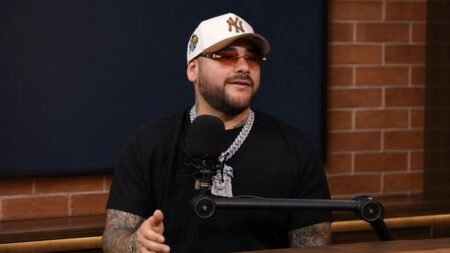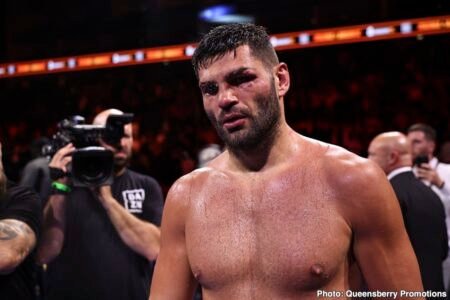





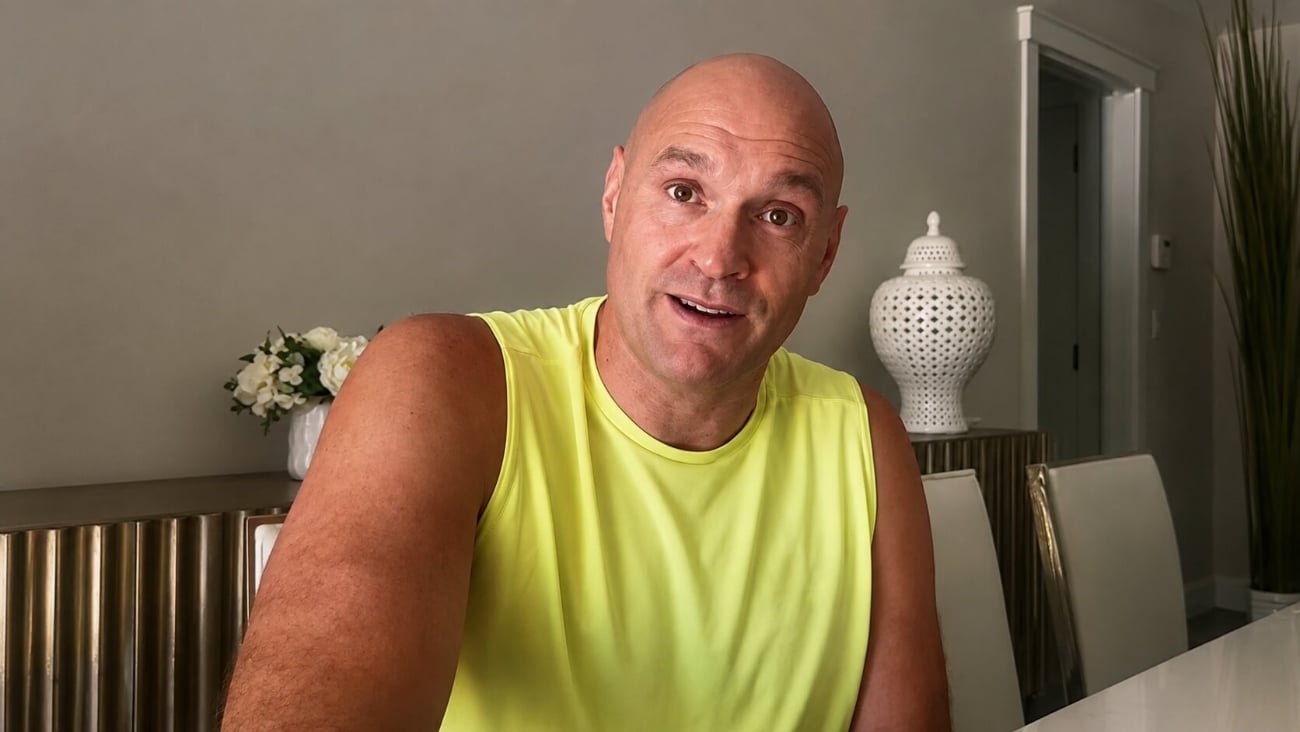


“We’ll see whose ego gets in the way here. And I believe it’s Eddie Hearn’s ego. I believe because they think Dana White’s involved and TKO that he’s like, ‘Why should they be involved?’” said Fury to Gareth A. Davies.
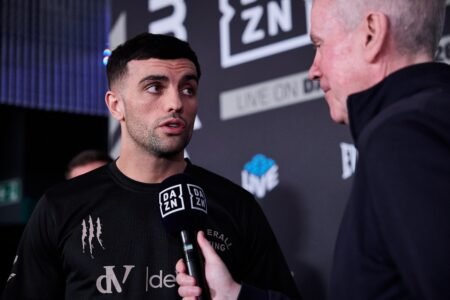
Hearn has since confirmed that Joshua received the money owed from his July 25 victory over Kristian Prenga. Matchroom also received a response to the addendum it submitted after Joshua’s original contract named Britain as the location.
“We’ve set out our position, mainly in concern to the tax situation that will deplete his net purse by going to America, which can be rectified. I think they’re happy to do that,” Hearn told BoxingScene.
The tax difference may be much smaller than Hearn’s language suggests. A visiting British fighter would not normally pay New York City’s 3.876% personal income tax because that applies to city residents. Joshua would face US federal tax topping out at 37% and New York State tax reaching 10.9%, while Britain’s highest income-tax rate is 45%.
On $100 million of taxable income, the combined federal and New York State liability would be approximately $47.8 million before deductions. As a UK resident, Joshua would generally receive credit for qualifying American taxes paid on the same earnings rather than paying both countries in full. The simplified difference is about $2.9 million per $100 million.
Because additional compensation would also be taxed, Sela may need to increase a $100 million purse by roughly $5 million to $6 million to leave Joshua with the same net return he expected from Wembley. His expenses and corporate arrangements may change the final figure, but this is a dispute over a small percentage of an enormous purse.
Hearn has already conceded that the issue “can be rectified,” making it difficult to present New York taxation as an insurmountable obstacle. There is also no guarantee that Fury, Sela, and Netflix will transfer the event to Wembley if Matchroom rejects Madison Square Garden. Joshua may lose the entire payday while attempting to protect the last few million.
“If they want it there, they’ll sign it. If not, we’ll be very happy, and we’ll do it in the UK,” Hearn said. “We’re speaking multiple times a day, but we’re running out of time.”
That confidence assumes Wembley remains available as a fallback. Fury, Sela, and Netflix may keep the American location, wait for another date, or direct their money elsewhere. Joshua is 36 and no longer holds the leverage of a champion in his prime with several comparable offers waiting.
A spectacular victory over Fury in an American primetime Netflix event would increase Joshua’s value for a rematch and other major opportunities. Walking away also risks frustrating Turki Alalshikh, whose backing has produced several of Joshua’s largest recent purses. Protecting a few percentage points makes little sense if it jeopardizes the Fury fight, future Saudi business, and Joshua’s chance to restore his standing.
Fury’s accusation still points to an authority struggle rather than any dispute between the boxers. Matchroom spent over a decade guiding Joshua through massive stadium shows while controlling every aspect of his schedule. Bringing TKO on board threatens to break Hearn’s long-standing control and push him into a background position for the most lucrative night of his fighter’s career.
Losing top billing would deal a massive blow to Matchroom. The promotional outfit long dictated terms across the British heavyweight scene, but an American entertainment powerhouse possesses the capital required to seize command of the entire promotion.
Fury claimed he stayed away from the business side because it drove him “mad,” yet quickly offered a detailed explanation for the holdup. Someone in his camp likely fed him the talking points. Pointing the finger at Hearn served another purpose, shifting attention away from his own financial demands and extended layoff.
The former heavyweight champion questioned whether either man needed the fight at all. Massive career earnings removed the financial pressure that typically forces stalled talks over the finish line. Fury admitted the public wanted the matchup, yet insisted the outcome meant nothing for his legacy.
That detachment reveals another reason for the delay. Neither fighter requires the money, allowing promoters and corporate partners to fight over authority without pressure from the participants. The fans want an immediate resolution, but their impatience means little to two wealthy heavyweights who can afford to wait.
Fury claimed alternative champions were ready to step in if Joshua refused to sign. That threat is hard to take seriously. No active titleholder possessed Joshua’s commercial reach, deep history with Fury, or box-office value.
Stepping into the ring against a substitute in November remains an option, yet it offers none of the massive public interest tied to the domestic clash. Treating secondary opponents as equal replacements looks like transparent posturing rather than a genuine backup plan. If the fight falls apart over promotional control or a relatively small tax adjustment, the loyal fans who waited years for this rivalry will take the hit once again.


Read the full article here