



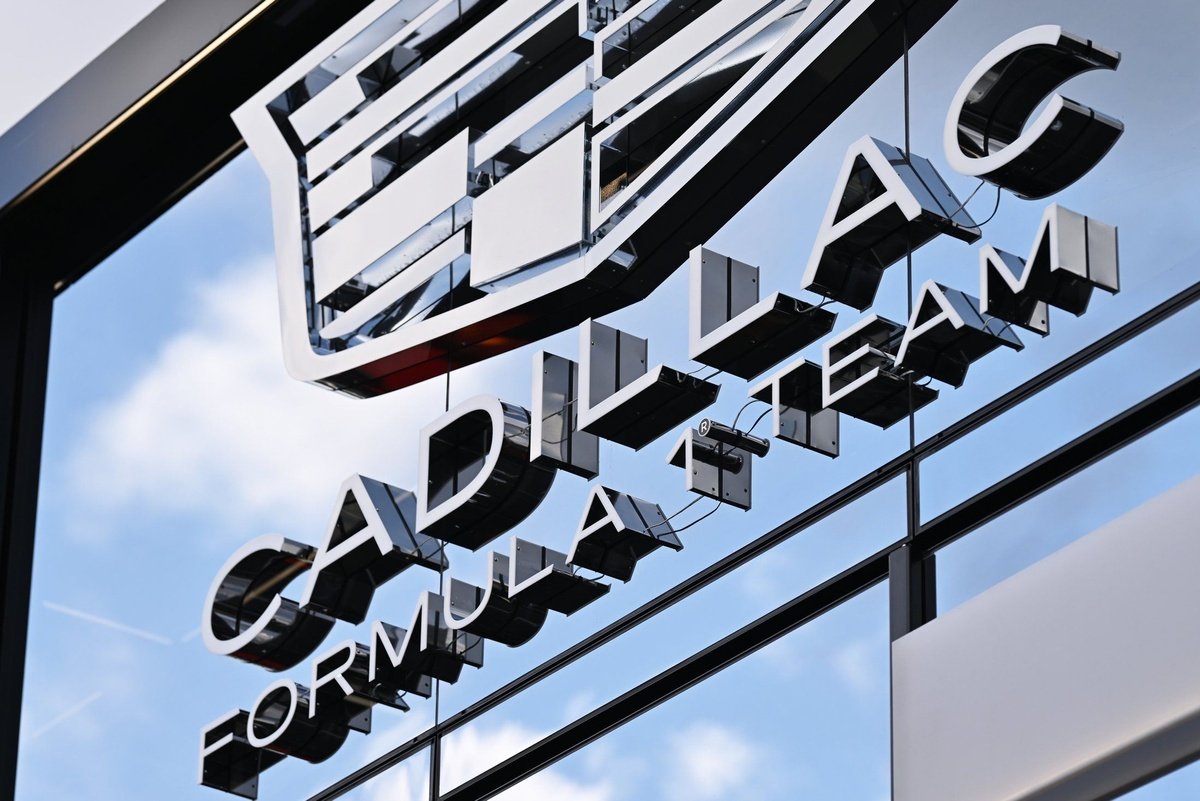
Mark Walter might be unfamiliar in Formula 1, but for the Cadillac team, he holds fundamental relevance. The billionaire is the CEO of TWG, the company responsible for operating General Motors’ Formula 1 entry, and currently he is under scrutiny by authorities in the United States which has sparked rumours regarding a potential sale of the team.
Recently, Walter sold his stake in the NBA’s Los Angeles Lakers – just one year after acquiring it – while reports in the US have emerged that he is considering selling his shares in other sports ventures; including Premier League club Chelsea, MLB’s Los Angeles Dodgers, and even Cadillac F1 and Andretti Autosport.
These moves are reportedly aimed at raising liquidity to deal with the ongoing investigation against him.
However, on Thursday at the Dutch Grand Prix, Cadillac sought to quell the speculation by stating the team was not up for sale.
Dan Towriss, Cadillac F1 team CEO, is not in attendance at Zandvoort this weekend – the first round with new team principal Marcin Budkowski at the helm – because he is with Andretti Autosport at the IndyCar race in Washington D.C., an event featuring the presence of U.S. President Donald Trump.
Marcin Budkowski, Team Principal of Cadillac F1 Team
Photo by: Andy Hone/ LAT Images via Getty Images
TWG acquired Andretti in 2024 after purchasing the stake from Michael Andretti, a key move that allowed the FIA, F1, and rival teams to approve Cadillac’s entry as the 11th team on the grid for 2026.
What Mark Walter is accused of
Currently, the U.S. Department of Justice and the Securities and Exchange Commission is investigating Mark Walter for an alleged fraud and cover-up scheme involving the management of funds at his insurance companies Delaware Life, Clear Spring, and EquiTrust.
The investigation is examining the legality of a network of undisclosed “self-loans” – estimated between $16-20billion – channelled from his insurance companies to businesses linked to the billionaire himself.
The money reportedly circulated through intermediary firms and an opaque structure of limited liability companies to evade regulatory controls and legal limits in the sector.
In the United States, companies owned by the same individual can legally lend money to one another, provided the transactions are declared to regulators to avoid compromising solvency toward customers.
We want to hear from you!
Let us know what you would like to see from us in the future.
Take our survey
– The Autosport.com Team
Read the full article here