



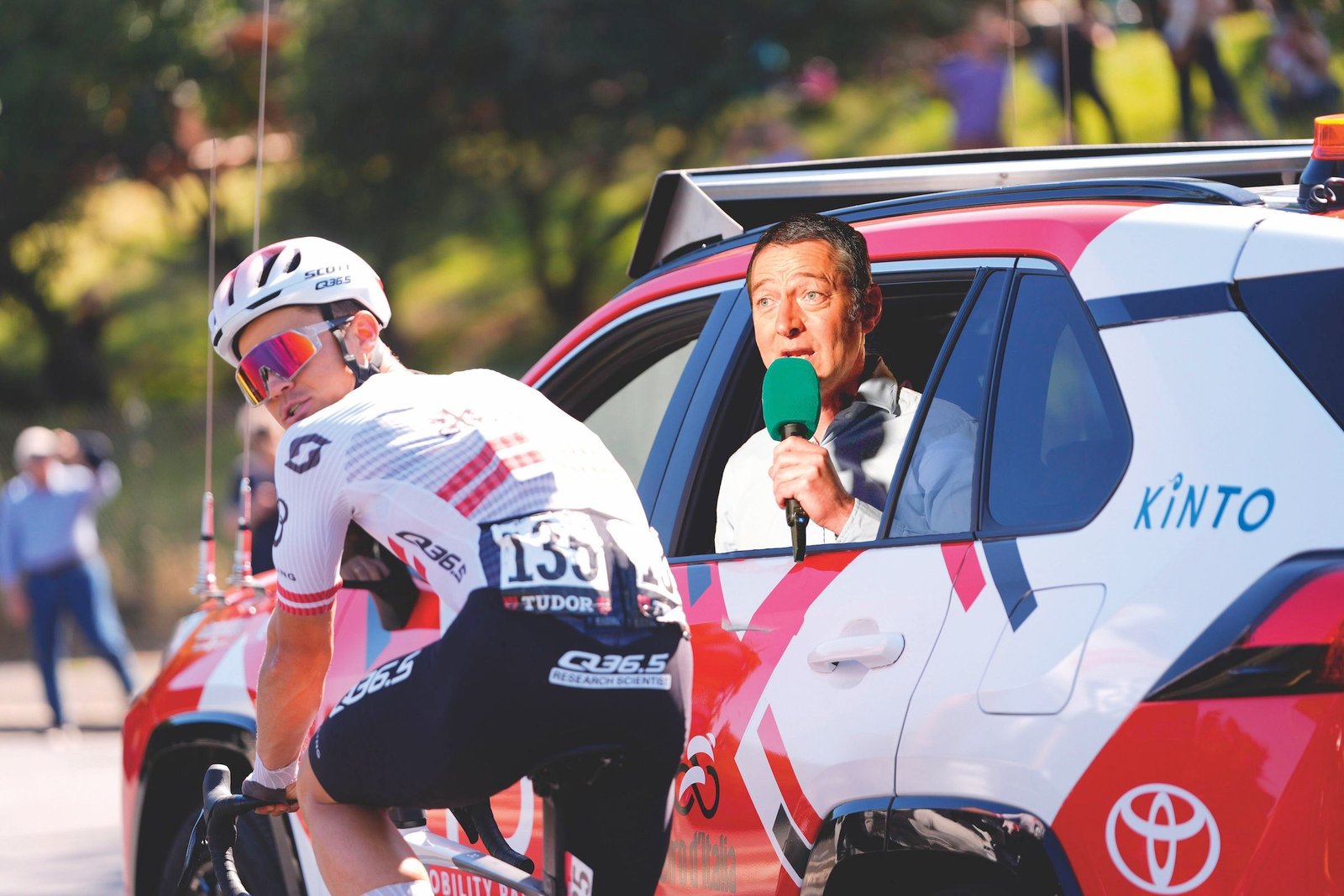
Earlier this season, during the Ardennes Classics, I was chatting to a pro team staffer about how they use TV pictures in the team car – for example, he told me that there’s always a bit of lag from the live action, which limits it a bit, but it can be helpful for things like trying to work out how knackered your rivals are.
“And of course, there’s the invaluable commentary,” I said. “I mean, you wouldn’t want to be without the tactical observations of people like me.”
I’m an occasional commentator, and I know almost no riders and know even less about what they can do. But it’s an interesting question. There are actual sports directors who do the odd turn as a co-commentator – Magnus Bäckstedt, say, from Cofidis Women, or Matt Winston from Picnic PostNL. Clearly they can do it. But what of the lead commentators, the Ned Boultings and Rob Hatches?
HOW TO… INVESTIGATE A BIKE THEFT
In the unfortunate event of a bike being stolen, there are a number of things you can do. If there was a GPS bike tracker secreted somewhere on the bike, and which the thief hasn’t found, you can track the bike’s current location.
This will lead you, in a fairly straightforward manner, right to the bike and more than likely to the bike thief, if that’s your kind of house call. If there’s no tracker, you can keep an eye on websites like Facebook Marketplace, which is one of the ways a bike thief might try to sell on a stolen bike. Again, this can be a fairly efficient way of placing yourself in front of the thief, whereupon you can start a conversation about recent events of mutual interest.
Or you can just try to snatch the bike back. Depending on where the bike was taken, there may be CCTV images available from local authorities or businesses. Some businesses will pretend not to have any footage because a) they can’t be bothered looking, b) they hate bloody bicycles or c) they’re owned by bike thieves. All three may, of course, be true.
But most will help. Of course, if you are actually a professional crime fighter, i.e. a policeman, you may prefer to avoid doing any of these things. After all, there’s a good chance that they might interfere with the main objectives of your job. Whatever those might be.
Acts of Cycling Stupidity
A tale of a tandem rider, trying to figure out a way to measure power output separately for pilot and stoker by putting a crank-based power meter into the frame back to front so the chainring was on the left, for the timing chain linking the riders. Of course, the pedals had to go on backwards because they have different threads.
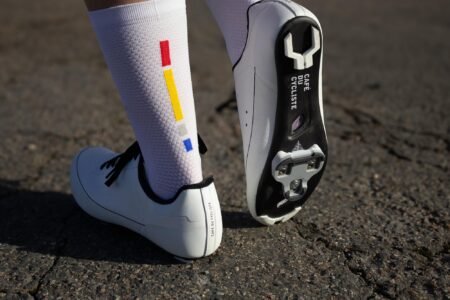
He solved this by drilling holes in his shoes and turning the cleats back to front-awkward but doable. “Job done,” he thought. Arriving at a junction, he discovered that clipping in was easier than clipping out. He and his stoker both fell over with a crash and much spectator mirth. Also, the cleats failed to release and he broke his ankle.
Read the full article here