



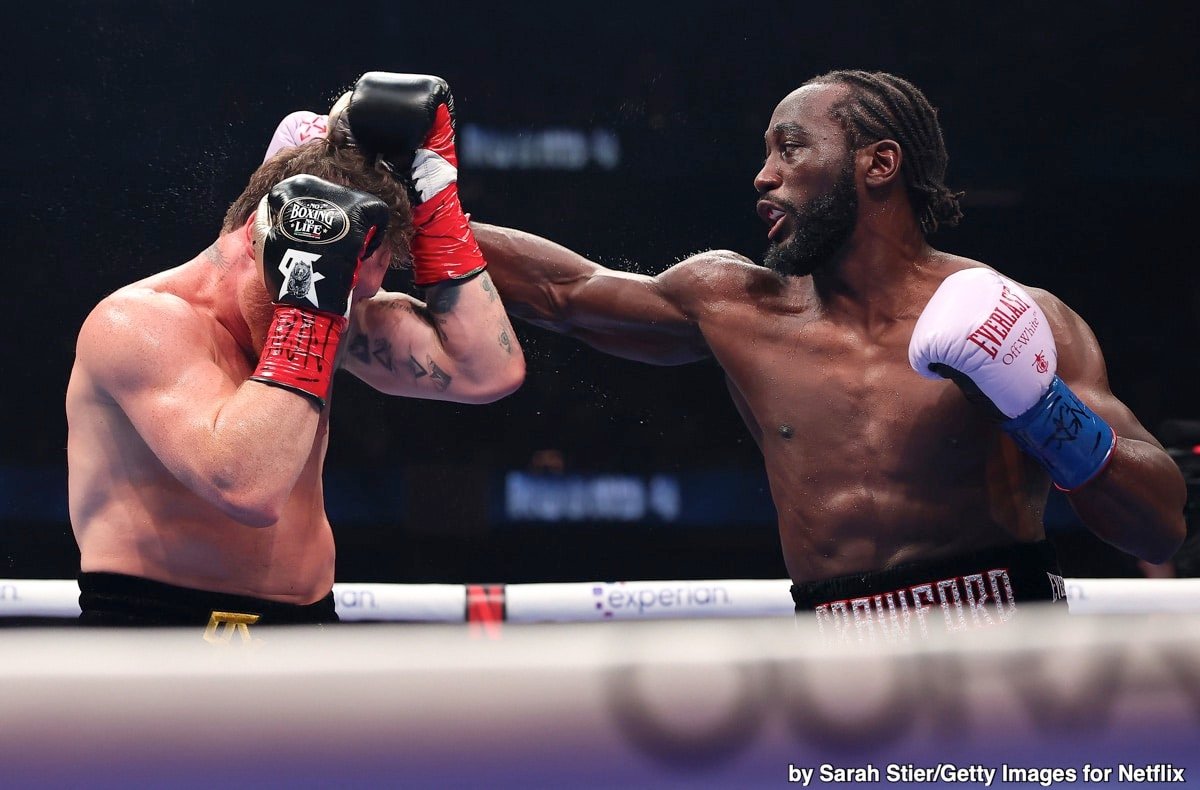

During his prime, Crawford operated in environments he could shape. He controlled the pace. He picked the range. He kept things orderly. These factors anchored his best wins. They allowed him to solve puzzles without taking unnecessary damage. The victories were dominant because he kept the variables in check. With a size advantage at 135, 140, 147, and 154, Crawford had things his own way.
Moving to 168 changed the math. The remaining names were younger, bigger, and less predictable. Stepping into those circles meant facing physical pressure without the same leverage he enjoyed during his legendary run. Those matchups would have squeezed his timing and crowded his space. They brought chaos into a process that Crawford always kept disciplined.
If Crawford stepped into the ring with guys like Osleys Iglesias, Christian Mbilli, or Diego Pacheco, he’d be facing massive, hungry punchers who don’t care about his resume. At 168, the physical gap becomes a canyon. If he started taking loss after loss against that younger wave, the narrative around his career would shift instantly.
Instead of being remembered as the pound for pound king, critics would start arguing that his legendary status was built on meticulous matchmaking rather than total dominance.
By walking away now, he protects the “myth” of his invincibility. He’s choosing to leave as the master of his own career rather than becoming a stepping stone for the next generation. Crawford, taking loss after loss to Iglesias, Lester, Mbilli, and Pacheco, would put things in perspective about his career. As such, retiring was a smart move for him.
Read the full article here