



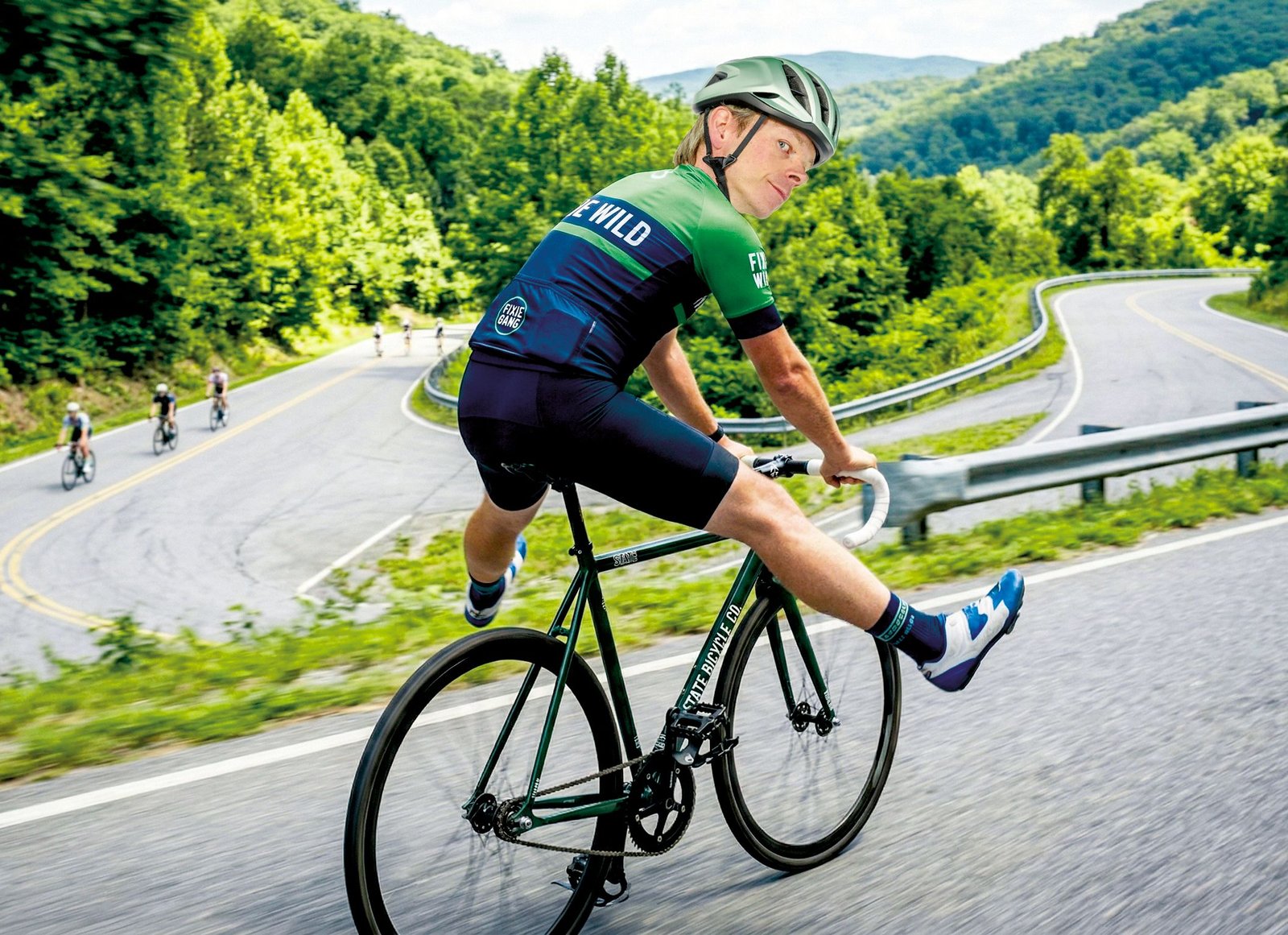
I took my fixed-gear bike out for a ride recently. The bike I’ve been using since autumn had finally hit the point where it was too dirty to be seen with in public. And I didn’t want to use my summer bike because my indecisiveness about tubeless versus tubed means it won’t have tyres on it anytime in the foreseeable future.
Multiple national champion on the bike and award-winning author Michael Hutchinson writes for CW every week
When my gaze fell on my fixed bike (you may call it a “fixie” if you prefer, but know that I’m judging you), I thought, why not? The fashion for riding them round London with no brakes and claiming, “It makes you feel at one with the city,” is long enough passed that it felt like time to reclaim fixed for decent citizens.
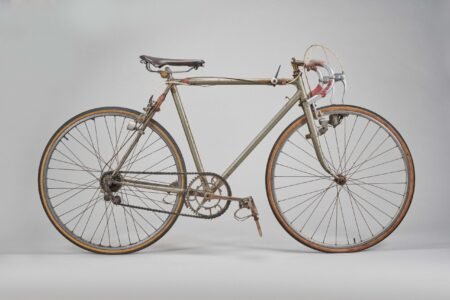
Fixed bikes used to be so important. They were how old cyclists – by which I mean dyed-in-the-wool, hewn-from-tradition riders not just literal old people – demonstrated their superiority. There was nothing as gloriously passive-aggressive towards anyone on a carbon superbike as dropping them on something that looked like it had been in a ditch since 1956.
Latest Videos FromCycling Weekly
You could talk about gear ratios. And you could talk about them in gear inches, so that no one who wasn’t in your club of passive-aggressive inverted snobs had a clue what you were talking about. You could advocate for increasing the gear two inches when the clocks went forwards and all sorts of similar nonsense. No one understood a word, but it sounded brilliant.
You could also talk about “souplesse”. “Souplesse” is an indefinable smoothness of pedal stroke that comes from having your feet spun around at high speed on every descent whether you like it or not, and from wrenching your way back up the far side of the valley with a cadence in single figures. How do these things add up to make souplesse? If that’s the sort of question you asked, you were not welcome in fixed-gear club.
Anyway. It was to hark back to this older and generally much worse time that I headed out on my old bike. And it was nice. After the first mile or two of muttering, “Don’t stop pedalling,” like it’s a mantra, the simplicity of it starts to appeal.
In some ways it’s like riding a theodolite – you find gradients you’ve never noticed before, because every change arrives directly at your pedals. You have to remember to be modest with your cornering. If you get it wrong and ground a pedal, it hits the floor with enough momentum to put you into a low-Earth orbit.
Going up a hill is slow and uncomfortable. Going down is fast and uncomfortable, because however sane and rational you think you are, you still feel that it’s a matter of pride to stick with it and not use the front brake to scrub off some speed and make it all more manageable. Headwinds are horrible, but tailwinds are just amazing.
Geared bikes are certainly quicker and more comfortable. But then cycling is about more than just whatever is “best”, or the notoriously-terrible-at-stopping-you Campagnolo Delta brakeset would not be a hugely expensive collectors’ item.
In fact, as I contemplated this, I wondered if it’s not time that fixed had an upswing. It has so many things about it that we like – it’s inconvenient, baffling to an outsider, and a good excuse to buy another bike. That’s nearly the full set.
And then last week, someone sent me a report about the training benefits of riding up hills while wildly overgeared.
Next time you see Tadej Pogačar in training, guess what he’ll be riding
Read the full article here