


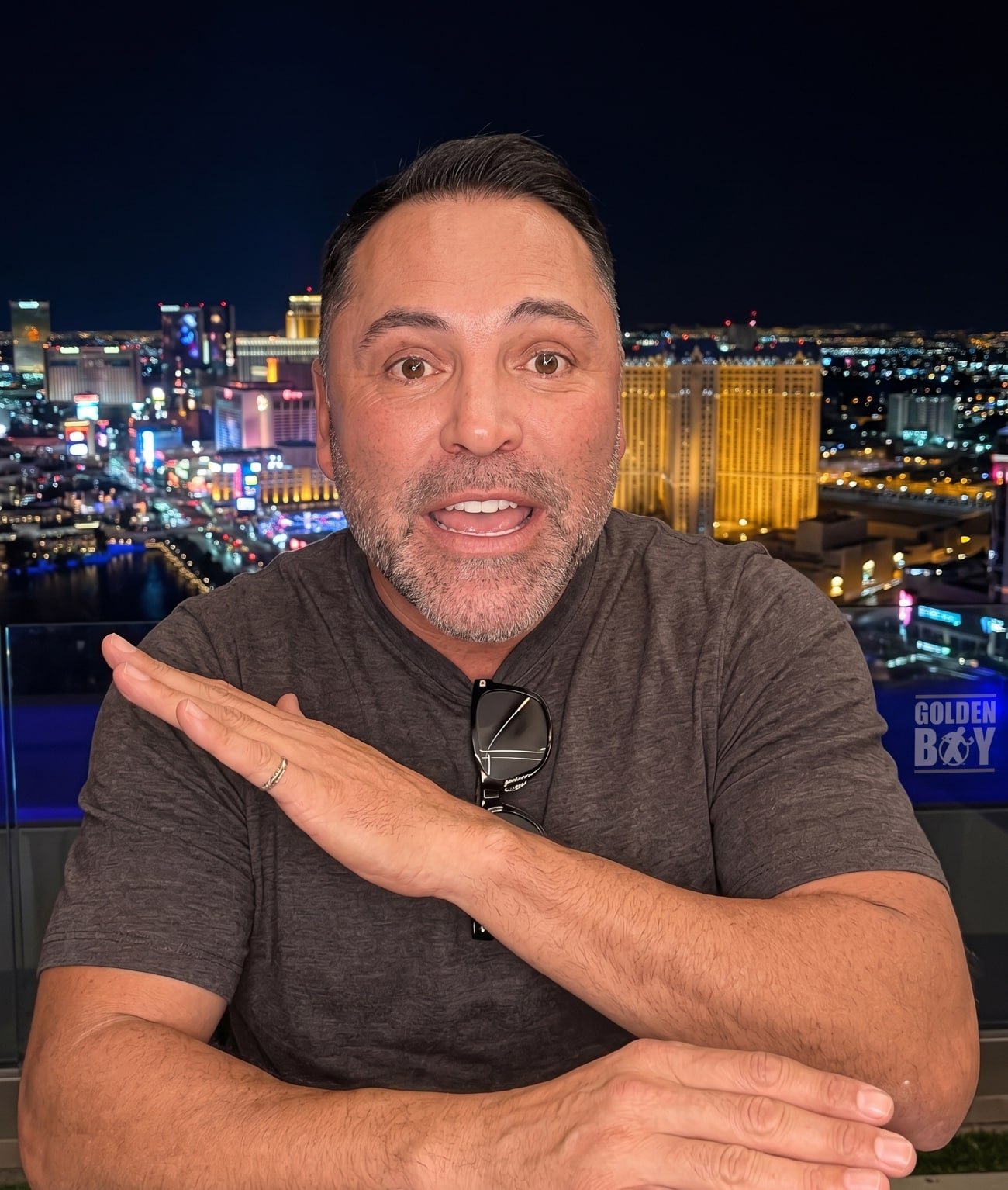

De La Hoya attended the session alongside Nico Ali Walsh to oppose changes he believes would weaken existing safeguards for fighters. The proposed revisions, backed by TKO, aim to reshape how boxing operates under a more centralized structure, a model De La Hoya argues would reduce independence across the sport.
His main objection focused on control. He warned that if one system governs matchmaking, promotion, and distribution, fighters would have limited ability to negotiate terms or build careers outside that structure.
“When the same company controls who you fight, how you’re promoted, and whether fans ever see you, it’s not much of a choice,” De La Hoya said.
He also rejected the claims that new standards are needed, arguing that many of the protections being discussed, including minimum pay structures, medical requirements, and insurance, are already in place across much of boxing. In his view, the legislation is being framed as reform while moving the sport toward a closed model.
The concern, as he laid it out, is not just about policy language but direction. De La Hoya believes the proposed changes would allow TKO to build a league system with its own belts, rankings, and rules, echoing the structure used in mixed martial arts.
For De La Hoya, the hearing itself became part of the issue. The takeaway was not simply disagreement over the bill, but the sense that the outcome was already set before opposing voices entered the room.
He left Washington seeing the process as largely symbolic, and the next steps as already in motion.
Read the full article here