



Williams, 25, had taken the championship from Bob Montgomery the previous year and was widely regarded as the division’s dominant fighter. His pinpoint right hand and ability to punish opponents for even the smallest mistake made him a heavy favorite to retain his titles.
Jack arrived with one of the finest resumes in the sport. A former two-time lightweight champion, he had become a star through his relentless pressure and crowd-pleasing style, drawing thousands of fans to Madison Square Garden during the first half of the 1940s. By the summer of 1948, however, years of hard fights and increasingly difficult weight cuts had left many wondering whether he had enough left for one final run at the championship.
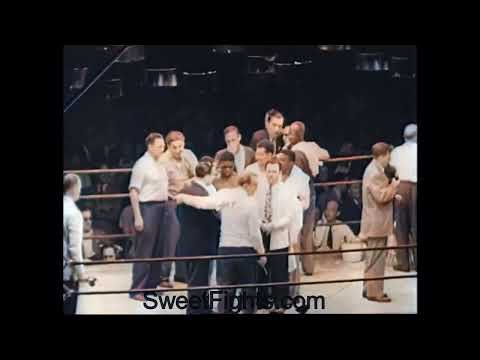
A crowd of 12,952 gathered at Shibe Park, the Philadelphia baseball stadium that regularly hosted major boxing events during the 1940s. Still, the venue was only about half full, reflecting widespread belief that Williams would make another routine title defense against a challenger many believed was past his best.
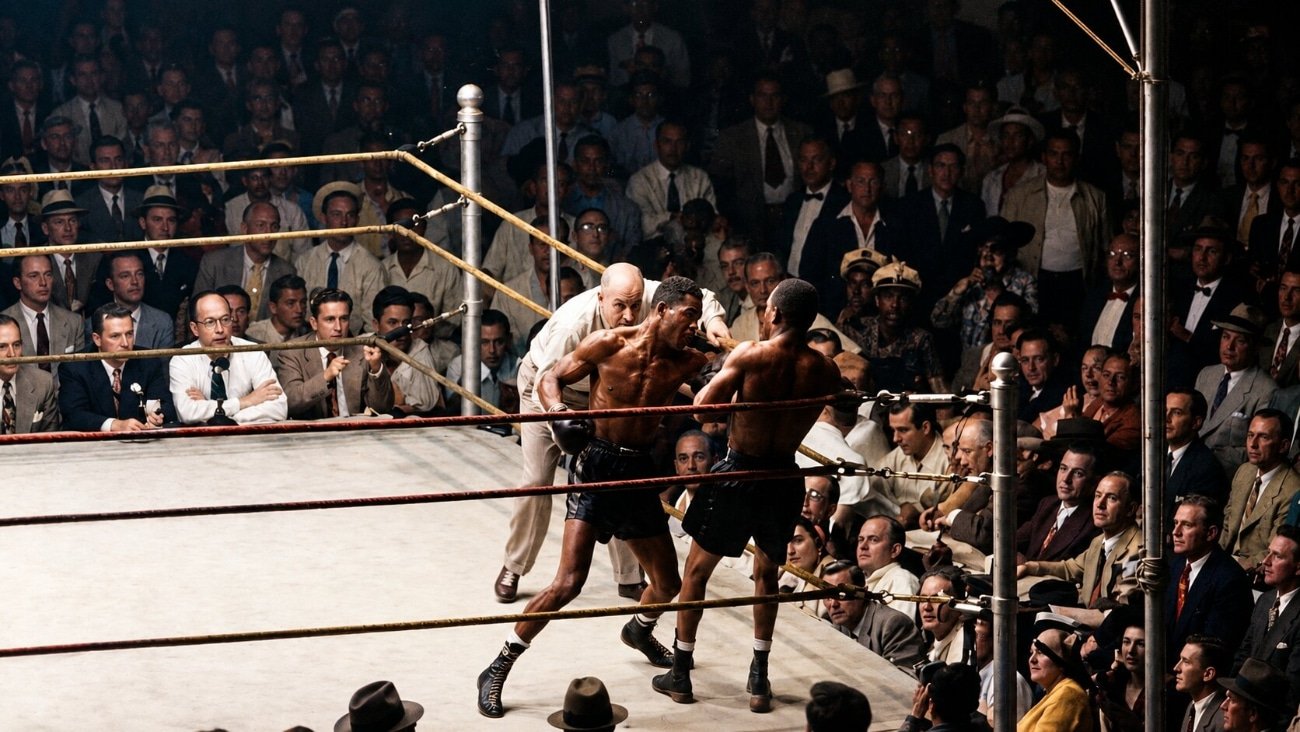
Veteran referee Charley Daggert was assigned to officiate the scheduled 15-round championship bout. The fight unfolded much differently than most expected.
Jack immediately pressured the champion, throwing rapid combinations of left jabs, hooks, and uppercuts while forcing Williams into close-range exchanges. During the second round, the former champion briefly stunned Williams with a hard right hand and several hooks that trapped him against the ropes. For a few moments, it appeared Jack had turned back the clock. Williams remained composed.
Williams made the adjustment in the fourth round. He began meeting Jack’s charges with short right hands and left hooks instead of trading punches on the inside. The cleaner, heavier blows slowed the challenger’s attack, and by the fifth round Williams had taken complete control. Jack’s pace faded as the champion landed increasingly damaging combinations that left the former titleholder badly hurt before the bell.
The end came quickly in the sixth. Jack walked from his corner visibly exhausted as Williams immediately launched another attack. Two heavy left hands drove Jack backward into the ropes and toward a neutral corner. Unable to defend himself effectively, Jack remained upright largely because the ropes supported his weight while Williams unleashed a sustained barrage of unanswered punches.
According to numerous accounts, Williams even glanced toward Daggert as if asking the referee to stop the contest before more punishment was inflicted. Instead, Daggert allowed the action to continue for several more frightening seconds before finally waving off the fight just 33 seconds into the sixth round, giving Williams a technical knockout victory.
Most of the post-fight discussion centered on Daggert’s decision to let the punishment continue.
Newspaper coverage praised Williams’ precision and punching power but focused just as heavily on the punishment Jack absorbed while trapped helplessly against the ropes. Many ringside observers criticized Daggert for allowing the one-sided assault to continue after the challenger had become defenseless, and the finish has since become one of the most controversial referee performances of the era.
Williams retained the undisputed lightweight championship and remained the dominant force in the division until losing the crown to Jimmy Carter in 1951. The victory over Beau Jack stands among the defining performances of his championship reign.
The defeat for Jack effectively ended his hopes of reclaiming a world title. Although he fought Williams three more times, losing twice and earning one draw, and continued boxing for several years, he never again received another championship opportunity. Like many fighters of his generation, Jack retired with little financial security and eventually returned to shining shoes, the job he had held before becoming a boxing star.
More than seven decades later, Williams’ sixth-round stoppage remains remembered for two reasons: the champion’s clinical display of precision punching and the prolonged punishment Beau Jack absorbed before the referee finally intervened. It remains one of boxing’s clearest reminders of both Williams’ greatness and how dramatically fighter safety standards have evolved since the sport’s early championship era.
Read the full article here