



Drivers have been vocal about how the complex energy deployment needs of the 2026 generation of Formula 1 cars have impacted how they have to be driven, with the reliance on energy harvesting causing a big mental shift in how to approach faster corners.
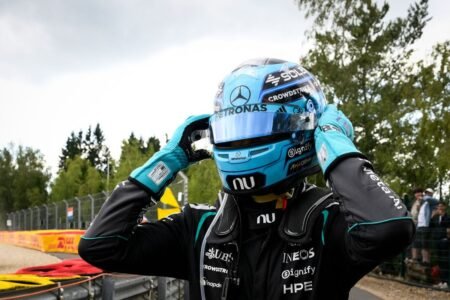
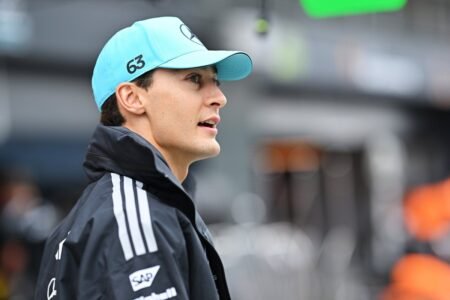
Mercedes driver George Russell is one driver who has struggled to gel with his machinery this year, which has come more naturally to his championship-leading team-mate Kimi Antonelli.
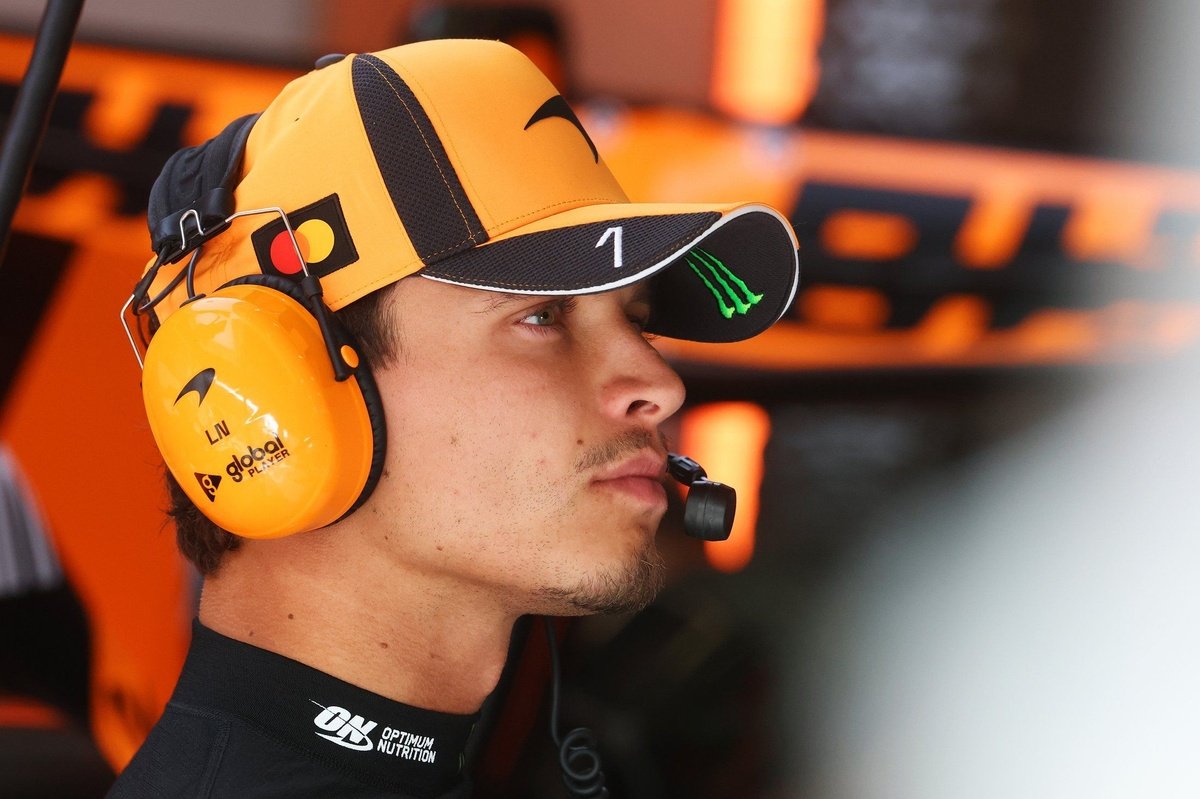
Norris, whose McLaren team has only finished on the podium four times this year as it tries to reel in Mercedes, appeared to have little sympathy for Russell’s plight in what is still F1 fastest car in 2026.
“I mean, I’ve had to change my driving style every single year of my life,” Norris said in Hungary. “I guess for him it’s worked for 20 years, for me it’s not worked. My driving style worked back in 2018 when I did my test year. That’s probably about it. Ever since then I’ve had to change.
“I think the more experience you have in Formula 1, the better equipped you should be. If you’re not ready to adapt to a different car, then you’re not at a good enough level. It’s our job, it’s what we’ve got paid millions to do. It’s to drive any car you get given, whether it’s a good one, a bad one, an easy one or a hard one. You have to do it.”
Norris particularly struggled over the first part of the 2025 season to wring the most out of his McLaren on the limit in qualifying, before finding technical and driving style solutions that helped him get back in the title race. That constant adaptation process hasn’t stopped yet with the 2026 car.
Mercedes’ George Russell is having to dig deep to get on top of the 2026 Mercedes and try to match Kimi Antonelli.
Photo by: Sam Bloxham / LAT Images via Getty Images
“Every single race I come into at the minute, I feel like I have to completely forget the last weekend and learn how to drive a new car, because that’s how it is for us,” he said. “Every driver is different. But for me, my whole career in F1 has been about how I can change my driving style every season.”
The controversial energy deployment rules are so complex that the power units rely on machine learning software to control them. It has left drivers unimpressed because the power units are so sensitive to inputs that a car can easily lose several tenths down the straight because of a slight deviation in the previous corner. As Norris’ team-mate Oscar Piastri put it in Spa, at times it feels like qualifying results are being decided by “computers behaving or misbehaving”.
While it has become harder for the outside world to judge driver performance and isolate it from the power unit, and Norris shares the general frustration over how random the power unit behaviour feels, he disagreed with Max Verstappen’s opinion that a driver can’t make as much of a difference anymore.
“You certainly can [make the difference],” Norris said. “Obviously, some corners get a little bit more eliminated. Maybe it tightens up, but if you’re a better driver, most corners are still corners to try and gain an advantage on everyone. You’re still going to be ahead.”
While some faster corners are now used to recharge energy, Norris felt the reduced downforce levels of the 2026 cars are now turning medium-speed corners into a much bigger challenge.
“At the very fast tracks, like Silverstone and Spa, there are fewer corners where you can gain lap time. But on a track like this, I don’t think that’s true at all,” he explained. “Some of the corners this weekend are going to be bigger corners than they were ever before, because the top speed into Turn 11 and Turn 4 is higher than last season, with less grip. In fact, it’s almost the opposite. It’s a chance for you to make more of a difference as a good driver.”
We want to hear from you!
Let us know what you would like to see from us in the future.
Take our survey
– The Autosport.com Team
Read the full article here