



Managers are hired to be fired. This is not news to anyone who has watched baseball for a significant period of time. It is exceedingly rare for a baseball manager to ever retire on his own terms. Heck, even some recent Hall of Fame-caliber managers who retired found themselves managing other teams in relatively short order, suggesting that their retirement may not have been entirely voluntary.
Some day, Matt Quatraro’s term as the Royals manager will come to an end. It will almost certainly be because he has been fired. Not because he’s a bad manager, though, but because that’s a fate that awaits almost everyone who has ever taken on the role. That day is hopefully a long way off, though, because he’s one of the very best managers in the league.
It’s actually pretty rare to see a manager fired just because his team is losing. Usually, a managerial firing is accompanied by one of three other criteria. First, if a general manager feels like he’s on the hot seat. He can attempt to keep his job by persuading the people above him, whether that’s the owner or the president of baseball operations or whatever, that the problem isn’t the players he acquired, but how they’re being managed. Second, if a team severely underperforms their expectations, this often goes hand-in-hand with the first one. Third, a manager can be fired if he loses the support of the clubhouse.
One of the surest signs a manager is about to be fired is when you see a lack of effort from the players on the field or you start hearing about discontent in the clubhouse. The manager role is named that because they manage the game, but in modern MLB, it’s about managing the people in the clubhouse as much as it is about deciding on-field strategy.
It’s easy for all of us sitting on our couches to see that John Schreiber shouldn’t be pitching in high-leverage situations anymore. Not only has his ability seemed to decline since last season, but the bullpen has added arms and seen other arms improve since last season, too. If it’s easy for us to see, you have to know Q has seen it, too. However, if Q summarily dropped a respected veteran reliever from his position without cause, it would make everyone wonder how safe their own roles on the team were.
Think about your own job for a moment. I know that playing baseball is different, but this part isn’t. If you knew someone who had been with the company for a while and had done a pretty good job for years, suddenly demoted or laid off after the company hired some more people, you’d wonder about your own job security, too, wouldn’t you? It might motivate some people, but other people – especially high performers who know they have options elsewhere if things don’t work out here – could very well decide it isn’t worth trying to please a manager who seemingly can’t be pleased and start job hunting.
So, in the name of giving people a sense of security, knowing they won’t be demoted or cut for a bad performance or two, Quatraro has given Schreiber multiple opportunities to get the job done. This also applies to Carlos Estévez getting the first save opportunity at the start of the year. The difference between the two, even beyond Estévez’s injury, is that Schreiber’s struggles haven’t obviously affected games until this week.
That brings us to the flip side of that loyalty coin. If you leave low-performers in prestigious positions while people who are playing better are relegated to less important roles, you run the risk of demoralizing the team that way, too. That was something previous leaders such as Dayton Moore and Mike Matheny struggled with and at least partially led to their dismissal. The good news is that we have years of evidence that Matt Quatraro can handle those situations pretty well.
In 2024, he entered the season with Will Smith, the respected veteran, as his closer. It didn’t take him long to remove Smith from the position and promote James McArthur to the role when the former faltered while the latter pitched well. By April 5, Quatraro gave Smith a save situation but had McArthur warmed up and replaced him before he could blow the game. Later that year, when McArthur struggled, Quatraro removed him and promoted the newly acquired Lucas Erceg to the role instead.
Also in 2024, when MJ Melendez was being counted on to keep getting better, and Hunter Renfroe was added to the team, they started the year batting fifth and sixth, respectively. A week into the season, Renfroe was batting eighth more often. By the end of April, Melendez had been demoted to batting seventh. Renfroe was easier to demote with Nelson Velázquez hitting well to start the year, and Melendez was moved down when Michael Massey got hot.
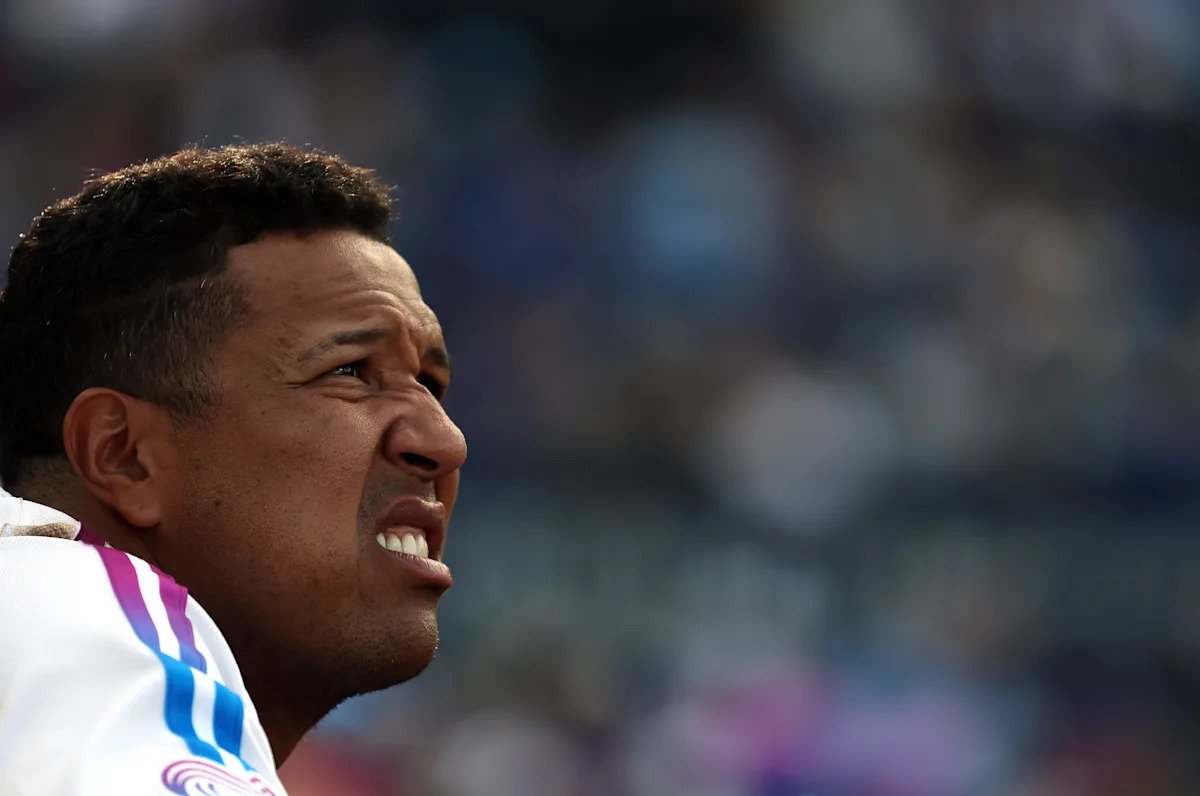
It’s very en vogue to criticize how Quatraro has handled the bullpen and lineup, but the truth of the matter is, he rapidly makes changes when he has options. One of the reasons I was so optimistic about this season is that I felt like the Royals had given him more options to work with than ever before. And, to that end, I expect him to make changes soon. He’s given Schreiber, Vinnie Pasquantino, and Salvador Perez 10% of the season to show they can do better than they have. They earned that with their veteran performance in years prior. But they didn’t do it, and so change has to come.
To that end, I would be very surprised if we see Schreiber pitching in high leverage again for a while, at least. And if we get to the end of the week and Vinnie and Salvy are still killing rallies while batting third and fourth, I’ll be both amazed and upset. Changes are coming, not drastic ones, we’re not cutting guys after 16 games, but significant changes all the same.
Running a team means remembering that players are people. That means that some deference to veterans is not just warranted, but required. I know many of you are snake-bitten by how Ned Yost, Mike Matheny, and Dayton Moore seemed to constantly defer to veterans for weeks, months, and even years after they had shown they couldn’t get the job done anymore. But the team has operated differently under J.J. Picollo and Quatraro. Veterans get chances to keep their old jobs, but they aren’t unlimited anymore. And that’s just good people management.
Read the full article here