



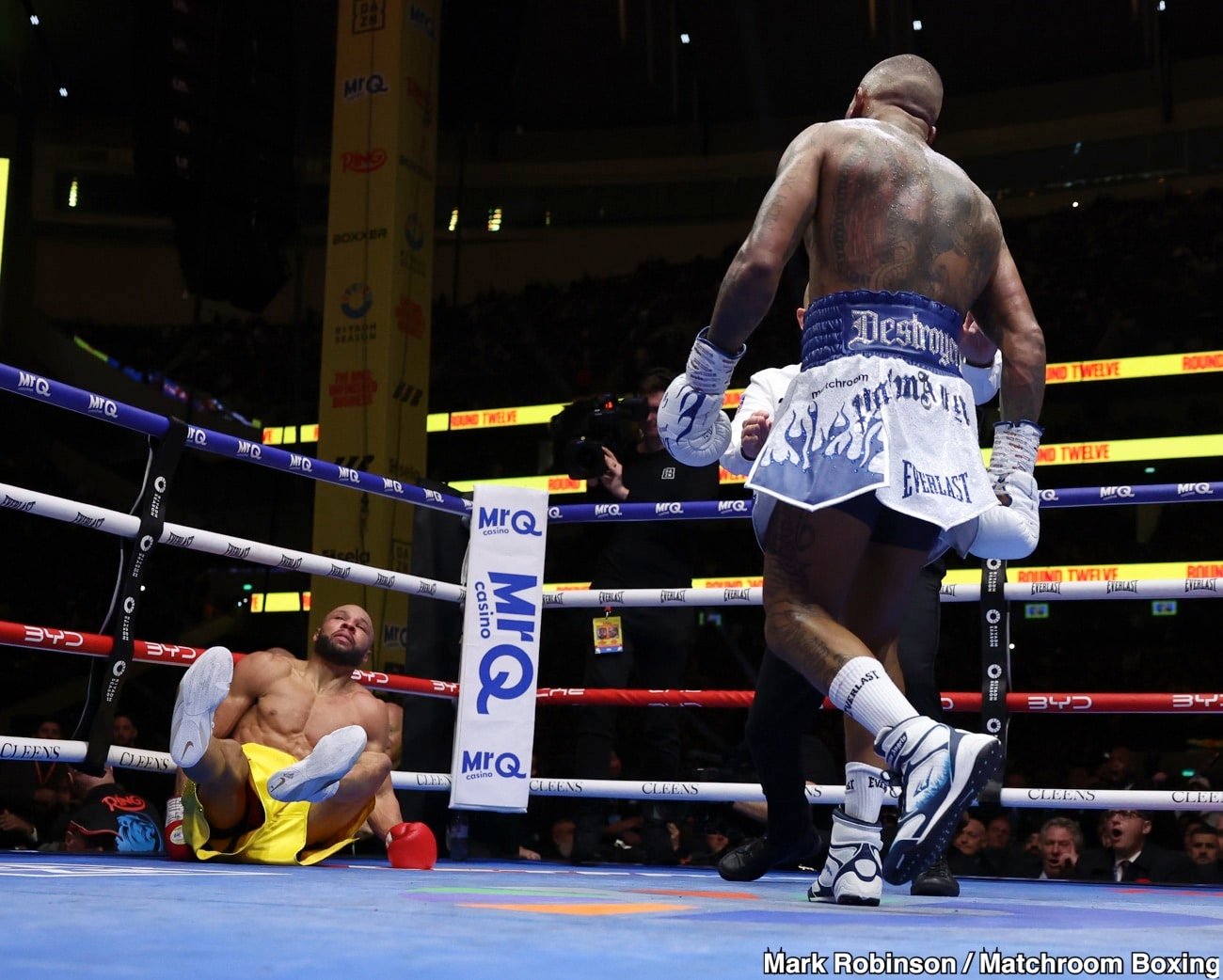

Hackett laid out his position while speaking to MillCity Boxing, saying negotiations should reflect what Stevenson would be giving up by crossing the Atlantic. “If Shakur is taking a risk and fighting him in the UK, I’m talking about business now. You’ve got to give him something,” Hackett said, adding that the rehydration limit is the only protection he is asking for in return. His stance is firm. If Benn’s side refuses, Stevenson should be willing to walk away.
The coach expanded on the practical concern behind the request. “If I come over there, the only one thing that I want is the rehydration clause,” Hackett said. “You’re giving him so much in negotiations with advantages by fighting him in the UK. You’re giving away a lot. All I’m asking for is a rehydration clause.”
Hackett believes limiting how much weight Benn can add back after the weigh in is a reasonable measure to guard against size and power differences that could otherwise decide the fight before skill comes into play.
Some fans and critics have questioned the request, arguing that Stevenson should not be seeking contractual weight limits if he wants to test himself against a naturally bigger opponent. The criticism centres on the belief that a fight with Benn should be taken without conditions, with supporters of that view pointing to champions who accepted unfavourable terms and still won.
Hackett addressed that criticism directly, drawing a comparison that underlines his thinking. “Shakur is not Bud,” he said, referring to Terence Crawford. “He’s a great fighter, but he’s not Bud mentally.” The comment reflects Hackett’s view that fighters approach risk and negotiation differently, even at the highest level.
Hackett’s defence of the clause rests on leverage, not hesitation. Stevenson would be entering hostile territory against a bigger opponent, and asking for one contractual concession is seen by his team as a fair trade. If Benn is unwilling to agree, the fight likely ends there.

Read the full article here