



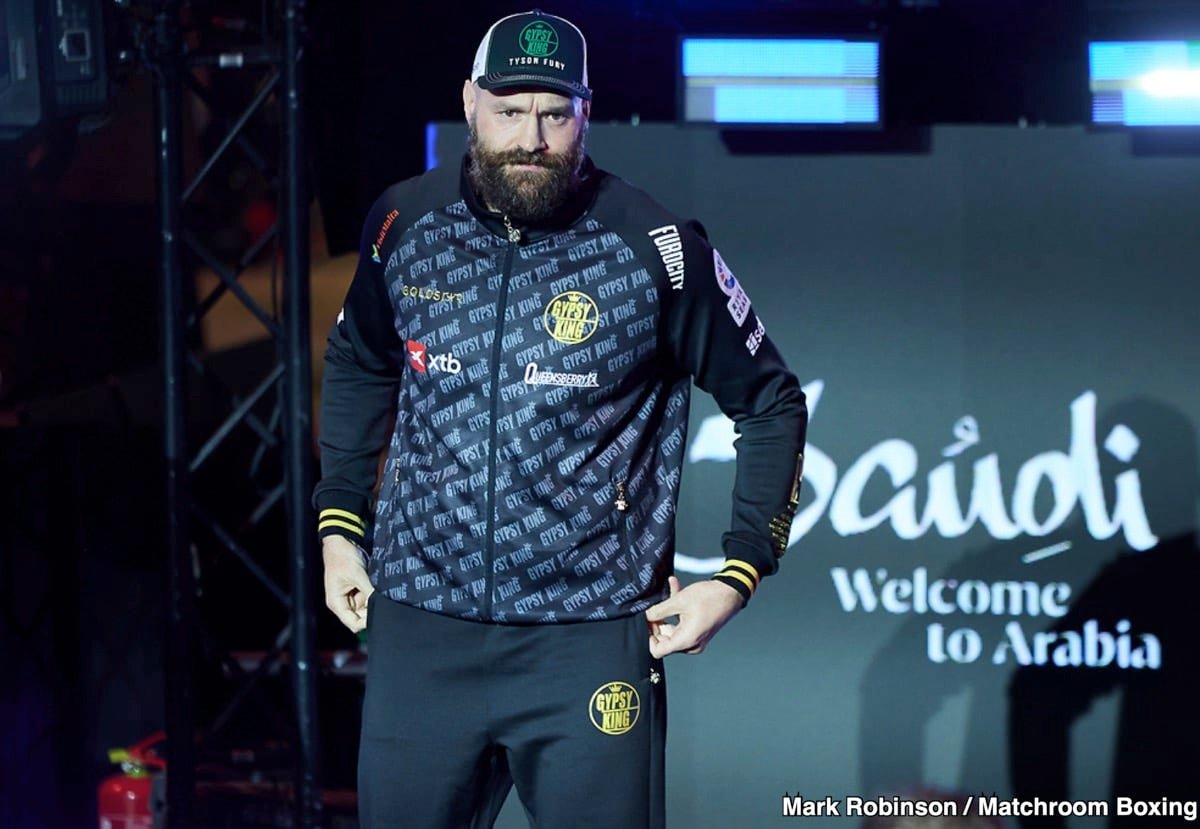
Fury’s wording suggested he was weighing his options rather than promoting a fight.
On paper, Wardley presents a difficult assignment for a 37 year old heavyweight coming off a long absence and a loss to Oleksandr Usyk. In practical terms, the matchup presents even more problems.
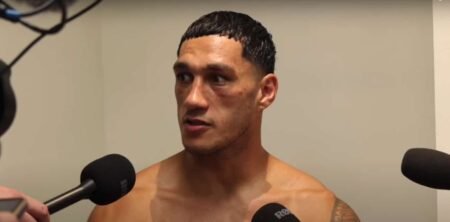
Wardley is not a fading titleholder waiting to be managed. He is a high volume combination puncher with power, stamina, and a willingness to force exchanges. He works at a steady pace and keeps his hands going. He does not rely on opponents giving him time to settle.
Those traits tend to give problems to fighters who need time and control to manage rounds.
At his best, Fury controlled fights by slowing them down, leaning, holding, and refusing to let opponents build any rhythm. That style depended on sharp timing, steady activity, and comfort under pressure. None of that can be taken for granted against a fighter like Wardley.
Fury has not fought since December 2024. His return is expected to come against a lower level opponent, which is standard after a long layoff. What stands out is the idea that a second fight later in the year could involve a reigning champion whose style is built around sustained pressure.
Wardley became WBO champion after upsetting Joseph Parker and was elevated when Usyk vacated the title. However the belt is ranked, the physical demand of fighting him is clear. Fury acknowledged that himself, calling Wardley a hard fight and noting that he has his own business to handle.
The warning signs are already there in Wardley’s recent work. What he did to Joseph Parker showed how dangerous his approach can be once a fight turns physical. Parker was badly hurt early, to the point where the fight could have been stopped inside two rounds. Wardley stayed on him, throwing combinations without pause and forcing Parker to survive rather than settle. There was another moment later in the fight where Parker was again in trouble, only for the referee to step in and break the action.
That fight matters because Parker can punch, and Fury cannot. Wardley walked through Parker’s power shots and continued to apply pressure without hesitation. He did not wait. He stayed in front of Parker and kept throwing. Against Fury, that dynamic shifts even further. Wardley would not need to worry about return fire in the same way. He could keep his hands going, push Fury backward, and force exchanges without paying much of a price.
Fury’s usual tools offer limited protection here. The leaning, wrestling, and short punches that once slowed opponents have already shown signs of erosion. They did not work against Francis Ngannou, who outmuscled Fury and met him with short shots of his own. Fury survived that night, but the control was gone. Against a younger heavyweight who throws in volume and does not stop coming, those habits become harder to rely on.
Fury spoke about assessing himself after a return fight before committing to Wardley later in the year. One fight rarely restores timing, conditioning, and sharpness all at once, and those limits can show quickly against an opponent who applies pressure from the opening round.
Wardley is being discussed because he fits what Fury believes he can still take on.
If Fury moves in this direction, it will show how he now views himself as a fighter. It will also put pressure on whether confidence can make up for age, inactivity, and a difficult style matchup. For once, Fury sounds like someone talking himself toward danger.
Read the full article here