



British charity The Walk Wheel Cycle Trust recently released its annual report examining attitudes towards – and the benefits of – foot and pedal-powered travel. Using data sourced from well over 22,000 people the report reveals some jaw-dropping figures about the positive impacts of such activities on society as a whole, with cycle commuting and recreational bike riding playing a huge role in keeping the population happy and healthy, and saving the health service some serious cash.
The influential organisation, which was called Sustrans until a rebrand to make it more inclusive in September 2024, has been producing the bi-annual Walking and Cycling Index (originally titled Bike Life) since 2015, with the results helping to inform everything from policy making to investment decisions in the areas examined.
Article continues below
(Image credit: Alec Seaman)
The index uses a ‘Societal Gain model’ to calculate the benefits to areas and communities achieved by increasing numbers of people forgoing car travel and choosing to cycle or walk to work, factoring in health benefits, air quality, travel time, vehicle operating costs and taxation.
“We led with the health benefits of active travel, as opposed to things like financial spend in shops” explains Murray. “There’s lots of good evidence indicating that cycling and walking significantly reduces mortality, lowers the risk of injury and helps with depression. That obviously reduces demand on the NHS. And that’s before you even factor in the positive effect on air quality.”
Looking at cycling specifically, the health and societal benefits of bike travel are striking. Using a model that compares the costs and benefits of cycling compared to those of driving, the report concluded that the total annual economic benefit from all journeys done on a bike is a whopping £1.81 billion. Furthermore, it’s estimated that over 500,000 tonnes of greenhouse gas emissions are saved by cyclists, walkers and wheelers every year.
Just within the 17 UK Index areas (so excluding the five in the Republic of Ireland), 688.9 million miles were cycled last year by people that could have used a car to do those same trips. During each these journeys, between £1.25 and £1.84 is saved for each mile cycled instead of driven, and over a calendar year this adds up to £1.11 billion in economic benefit for residents and society. Furthermore, cycling in these areas prevents 5,736 serious long‑term health conditions each year, which helps ease the strain on the NHS to the tune of a staggering £72.7 million per annum (the equivalent cost of 1.6m doctor appointments).
(Image credit: Getty Images)
“This year’s Index makes it clear that everyday journeys by walking, wheeling and cycling are closely linked to long-term health outcomes,” says Tim Burns, Head of Research at Walk Wheel Cycle Trust. “When people can travel actively, there are significant population-level physical and mental health benefits, which in turn reduce pressure on the NHS.”
“By investing in safe, accessible walking, wheeling and cycling routes, we also help people access education, work and green space while creating cleaner, more liveable places for everyone.”
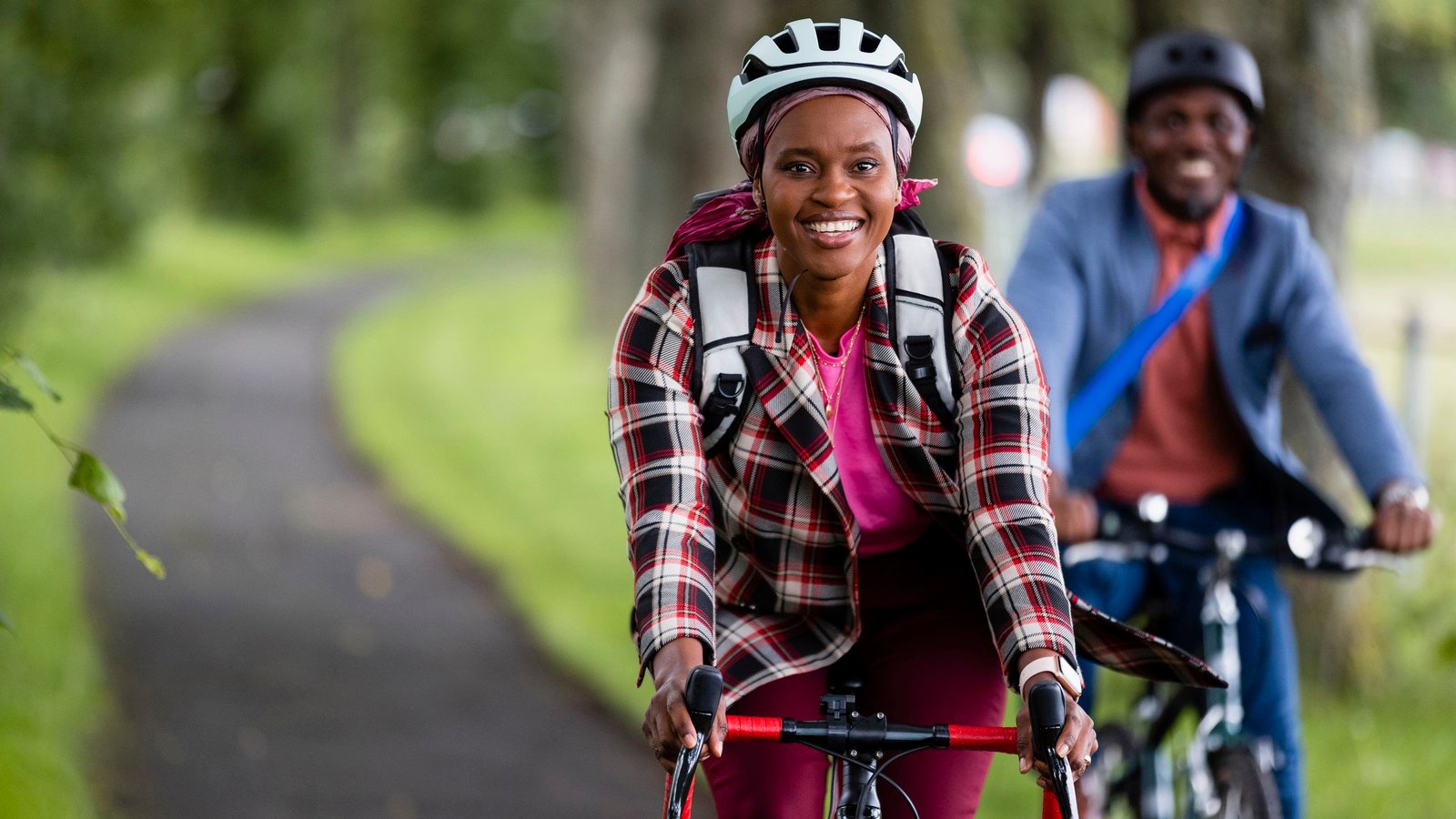
Amid all the positive findings, however, lurk some disturbing stats. According to the Index, twice as many men as women are regularly cycling, with safety concerns regularly cited as an off-putting factor for women, which highlights the need for better-designed streets and more protective infrastructure.
While the percentage of the population walking and cycling remains broadly the same since it spiked after the pandemic, attitudes towards better infrastructure for active travellers remains very high. Some 77% of people involved in the study support improving and increasing off-road walking, wheeling and cycling paths, while just 8% oppose such initiatives.
A digital version of the full report is downloadable here, and you can also use a data comparison tool to look at the results from previous Walking and Cycling Indexes, and to break the findings down to see how various demographic groups are thinking and behaving when it comes to active travel.
Read the full article here