


A round of golf used to be the whole plan. Take a handful of clients out for eighteen holes, buy them lunch, talk business somewhere between the third green and the clubhouse bar.
That still happens, but it’s more often just one fixture in a longer calendar, one that might also include a box at a rugby international a few weeks later, then a day at the cricket, then Ascot in June. Client entertaining has turned into a season.
The golf day isn’t standalone anymore
UK hospitality providers now build their offering around a full year of fixtures rather than any one flagship event.
Team Tactics, one of the established names in this space, sells packages across cricket, tennis, motor racing at Silverstone, rowing at Henley, and horse racing at Cheltenham and Ascot. These go alongside golf tournaments like The Open, all through an annual “events diary” that clients can plan against months in advance. Per-person pricing across that range typically runs from around £200 up to £1,000 or more for the most premium experiences, depending on the event and the level of access.
A single golf day builds one relationship on one afternoon. A calendar that mixes golf with three or four other major events gives a company multiple touchpoints with the same client across a year, which is a very different kind of investment than a one-off outing.
Where rugby fits in
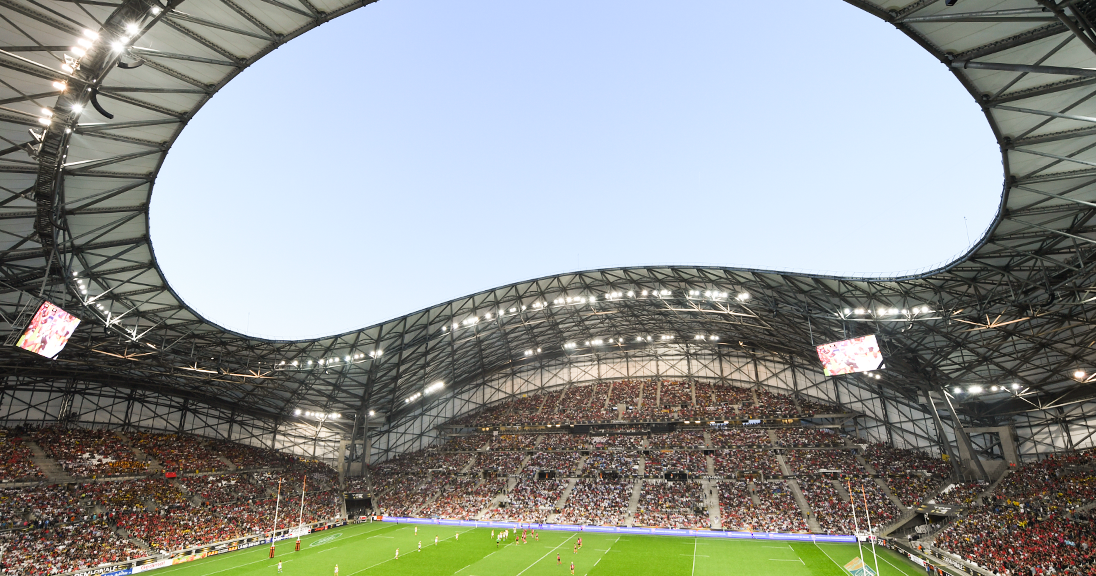
Rugby internationals have become one of the anchor fixtures in that calendar, right alongside golf. The Six Nations and the autumn internationals both draw heavy corporate hospitality demand, largely because the fixtures are concentrated into a few predictable weekends each year, which makes them easy to plan a client day around.
A typical package covers a seat or private box at the ground, a pre-match meal, and time with other guests before kickoff. It’s the same basic format used for most major UK sport, just more about rugby and applied to a Six Nations weekend instead of a golf tournament or a cricket Test.
Rugby is also a natural partner for golf in these calendars because of the crowd it draws. Both sports pull a corporate audience that skews toward client relationships these packages are built to support. So pairing a golf day with a rugby international isn’t a stretch, but a closer to serving the same client twice with two different afternoons out.
Why the bundling makes business sense
This shift away from the one-off golf day hasn’t happened by accident. Hospitality providers have actively pushed companies toward a full season of sport instead of a single big day out, and it works because it solves a real problem on the buyer’s side.
A company entertaining clients has to guess what each guest actually enjoys, and golf doesn’t land with everyone. A calendar that spans golf, rugby, cricket, and racing means there’s almost always a fixture that suits a given client, without the marketing or events team having to negotiate a fresh booking every time someone new needs entertaining. That’s a real budgeting advantage too: one annual spend, agreed once, is easier to plan around than four or five separate approvals scattered through the year.
For the venues and rights holders, the appeal is just as direct. A golf club or a rugby union gets a client locked in for the season instead of a single transaction, which makes their own revenue easier to forecast and their relationship with that company far harder to lose to a competitor next year.
The real product is the relationship
Underneath the golf, the rugby, and everything else on the calendar sits one fact: that a client relationship is worth building over months. Showing up together, again and again, at the things a client actually cares about does more for that relationship than any single outing ever could. The golf day was always just a reason to meet and never the whole point.
Read the full article here