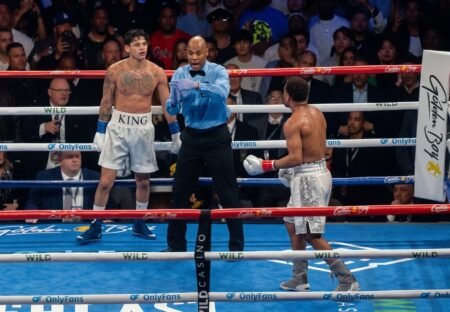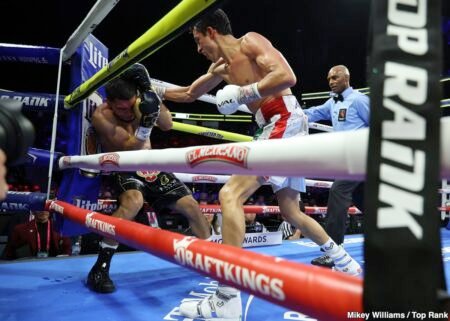





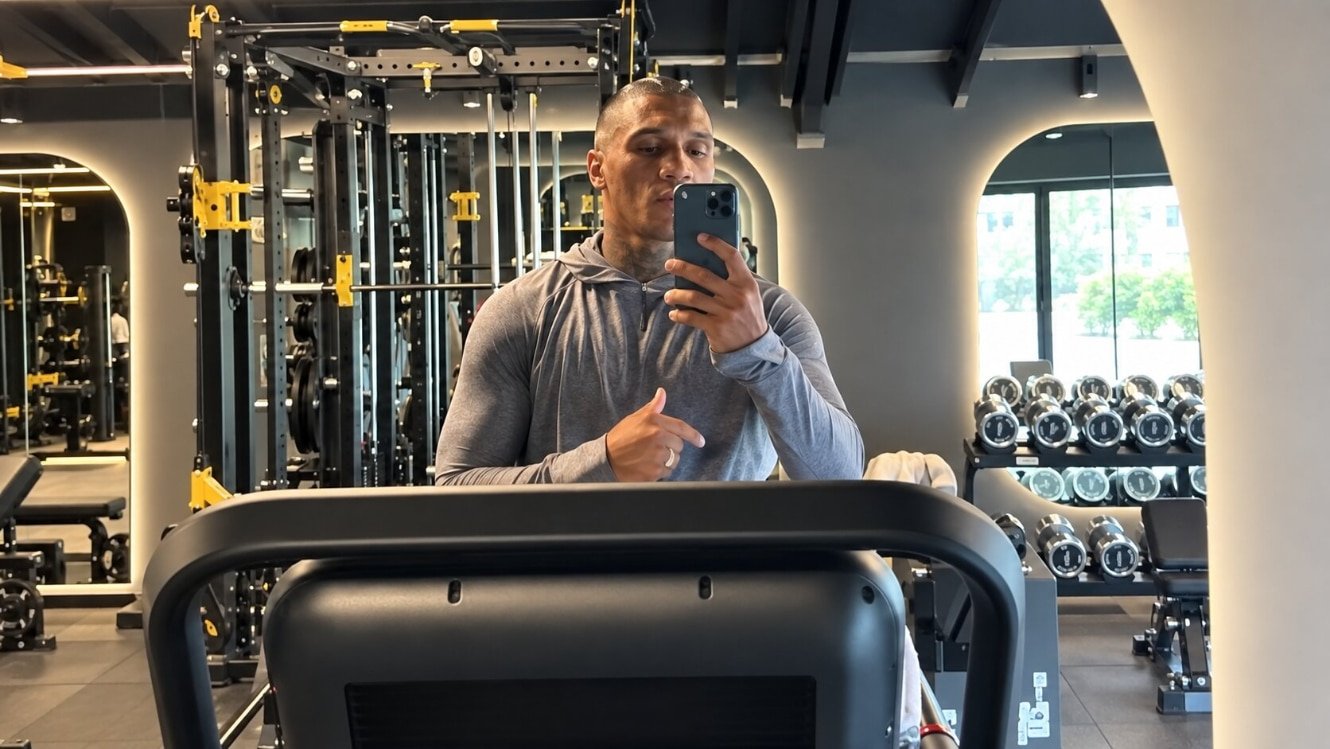
Conor Benn hit the treadmill immediately to show defiance, but no amount of roadwork fixes reckless fundamentals. The tape from Las Vegas showed a fighter whose aggression outran his technique, walking right into Ryan Garcia’s right hand with zero defensive responsibility. Running miles will not teach head movement.
Moving back up to settle the score with Chris Eubank Jr. is the only move that makes business sense. Boiling down to 146 pounds clearly drained Benn, and ballooning more than thirty pounds overnight to 178.4 proved his welterweight days are finished. Returning to 160 pounds eliminates that dangerous weight drain while salvaging his earning power.
A third meeting with Eubank carries built-in domestic demand that an ordinary tune-up cannot generate. With the series split at one win apiece, both men need each other to secure stadium gates and massive paydays. Taking a lesser fight risks getting exposed for a fraction of the purse, while a trilogy clash lets Benn cash in on family rivalry before his market value slips any further.
Conor Benn is almost certainly lining up the trilogy because the math leaves him no other choice. Nobody is handing out eight-figure checks for him to fight a run-of-the-mill middleweight contender in an empty arena.
Zuffa Boxing did not sign Benn to bankroll low-level rebuilding bouts. Dana White runs an outfit built entirely on numbers, event visibility, and immediate return. Dropping $10 million on Benn to face some unranked middleweight who cannot sell tickets makes zero financial sense. Benn does not command American pay-per-view numbers on his own name, and after getting blasted out inside two rounds by Ryan Garcia, his leverage took a massive hit.
The entire middleweight division is a commercial desert right now outside of Chris Eubank Jr. None of the titleholders carry the domestic box office appeal needed to justify Benn’s recent pay scale. If Benn signs to face someone like Janibek Alimkhanuly or Carlos Adames, the purse shrinks drastically while the physical danger skyrockets against seasoned punchers at 160 pounds.
That leaves Eubank Jr. as the sole cash cow left on the board. The score is tied, the family storyline still sells out British football stadiums, and the promotional hook practically writes itself. Both fighters know they need each other to secure that tier of compensation. Benn can jump right back into a mega-event, skip the embarrassing pay cut of an off-camera tune-up, and grab one more gigantic purse before the hype runs dry.
A traditional rebuild against modest opposition sounds sensible on paper, but that path closed long ago. A twenty-nine-year-old fighter with virtually no amateur background would normally take a step back, face unranked opposition, and quietly fix the defensive blunders Ryan Garcia exploited.
That patient route vanished once the massive paychecks arrived. Benn banked millions against Regis Prograis, Ryan, and two meetings with Chris Eubank Jr. Stepping down from stadium headliners to small-hall cards with tiny paydays is nearly impossible for a fighter used to generational wealth.
Strip away the marketing, and Benn remains the flawed prospect who labored through close calls against fringe fighters early on. He never inherited his father’s natural frame, chilling power, or granite chin, traits Nigel Benn needed to survive brutal warfare at 160 and 168 pounds.
Benn cannot afford a multi-year apprenticeship. He has too much money to accept peanut purses on untelevised shows, yet too many technical holes to take on elite contenders without getting hurt.
Returning to Eubank Jr. is the only move that keeps the money train rolling. The rivalry is tied, the public still buys the storyline, and the gate receipts remain enormous. Running on a treadmill makes for fine social media content, but it changes nothing about his reality. Benn has backed himself into a corner, and a third meeting with Eubank is the only door left open to another monster check.
Read the full article here