



Fran Franschilla’s job calling Big 12 games gives him a front-row seat to the best action in college basketball, but that’s where he stops you. Don’t label broadcasting Big 12 hoops work.
“They pay me to travel, not to work,” Fraschilla, ESPN’s veteran color commentator and a former coach, says affably. “I’ve been blessed, because I’ve watched the league grow up over 20 years.”
Along the way, Fraschilla became ESPN’s voice of the Big 12 and an unofficial conference advocate. It’s easy to advocate for the Big 12 in a season when the conference supplied peak entertainment and premier performance.
The SEC led all conferences with 10 NCAA Tournament bids, a show of its depth, but ball-knowers recognize the best batch of hoops lived inside the Big 12.
Now, to back that up on the final exam that is the NCAA Tournament.
Bold predictions: Best March Madness upset picks, Final Four sleeper
Toppmeyer: If Jon Scheyer feels any Duke pressure, at least Coach K can relate
The Big 12 earned eight bids. Fraschilla counts three with Final Four potential: No. 1 seed Arizona and No. 2 seeds Houston and Iowa State.
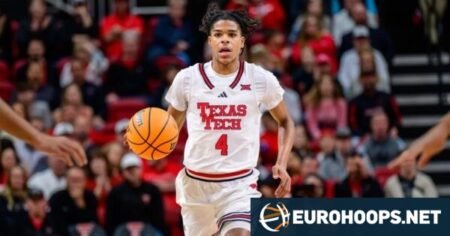
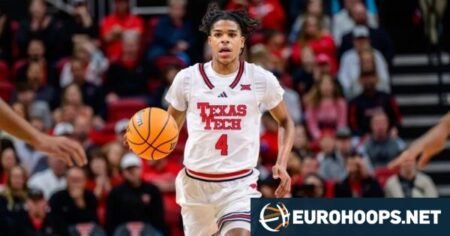
That list would be bigger, he says, if not for injuries to Texas Tech’s JT Toppin and Brigham Young’s Richie Saunders, a pair of big-time ballers who went down in February.
As for national championship potential? Start with Arizona.
“I give Arizona as good of chance as anybody in the field to cut down the nets in Indianapolis,” Fraschilla, who coached Manhattan to a mammoth NCAA Tournament upset of Oklahoma in 1995, told me.
Why Arizona is a top March Madness championship contender
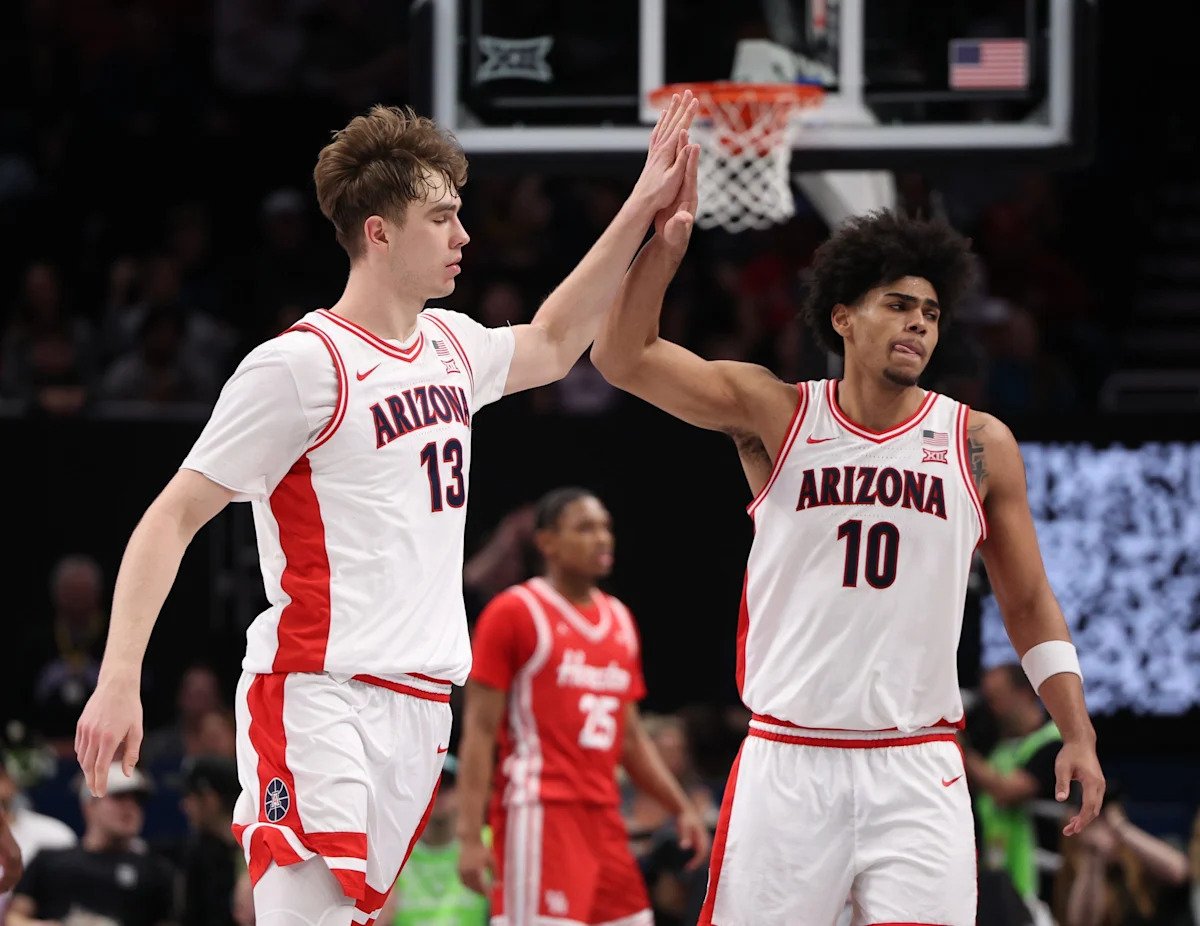
Two of Arizona’s key bench players started on last year’s team that reached the Sweet 16. That speaks to the quality of a starting lineup in which every player averages in double digits scoring.
“They are as complete a team as there is in college basketball,” Fraschilla said. “First of all, they are an old-school, bludgeon-you-inside team with three terrific post players. They have as good of a leader at point guard, (Jaden Bradley), as any team in the country.”
Oh, we’ve yet to mention dynamite freshman guard Brayden Burries, the team’s leading scorer.
Try to go devil’s advocate and point out Arizona’s history of March Madness shortcomings the past 25 years, and Fraschilla uncorks the ultimate comeback.
“I can say the same thing about an entire league: the Big Ten,” he says.
Fair point.
Anyway, why should these Wildcats fret about what happened to the 2023 team, which lost to 15th-seeded Princeton in the first round? Or, the 2018 team that got blasted by 13th-seeded Buffalo in the first round? The past three times Arizona earned a No. 1 seed in the past quarter-century, it got bounced before the Final Four. That’s for you to consider as you fill out your bracket, but whispers of the past are not for these Wildcats to fuss over.
“They play like they’re in a cocoon,” Fraschilla said, “so I’m not sure how much of the noise they hear.”
If you need more than one man’s opinion, there’s also Ken Pomeroy’s rankings. Basketball nerds cite KenPom as if it’s college basketball’s holy literature. His metrics rank Arizona, Houston and Iowa State among the six best teams, making the Big 12 the only conference with more than one team tucked inside the top six.
The Big 12’s “Big Monday” games, with Jon Sciambi and Fraschilla on the call, showcased premier teams in elite environments with future NBA stars.
“Big Monday has become must-watch TV,” Fraschilla said.
Truth.
The Big 12’s TV audience on “Big Monday” doubled this season, according to commissioner Brett Yormark, to average 1.7 million viewers.
Consider it evidence of how the Big 12 survived conference realignment.






Big 12 basketball emerged strong on this side of realignment
Realignment is bloodsport, and the Big 12 hit an inflection point in 2021 after Oklahoma and Texas set out for the SEC’s richer pastures. The impending exodus of the Big 12’s two richest brands cast the future of the conference into peril.
Would it be raided for parts? Merge with the Pac-12?
Neither.
Option 3: Fortify.
The conference steadied by adding BYU, Central Florida, Cincinnati and Houston under outbound commissioner Bob Bowlsby. Then, Bowlsby’s successor Yormark secured a media rights extension with ESPN and Fox before looting the Pac-12 for Arizona, Arizona State, Colorado and Utah.
While the Pac-12 collapsed into a shell of its former self, the Big 12 went from endangered species to basketball behemoth.
“The league came out much stronger on the basketball side than anybody would have realized,” Fraschilla said.
Yormark describes his conference as “the second-best basketball league in America behind the NBA,” and he promised to cash in when the conference hits the media rights marketplace again in 2030.
In the meantime, the Big 12 is on national championship watch, with Arizona forming the tip of the spear.
“They have a countenance about them,” Fraschilla said of coach Tommy Lloyd’s Wildcats, “that is built for the tournament.”
Blake Toppmeyer is a columnist for the USA TODAY Network. Email him at BToppmeyer@gannett.com and follow him on X @btoppmeyer.
This article originally appeared on USA TODAY: March Madness will test if Arizona, Big 12 are ‘built for’ NCAA bracket
Read the full article here