



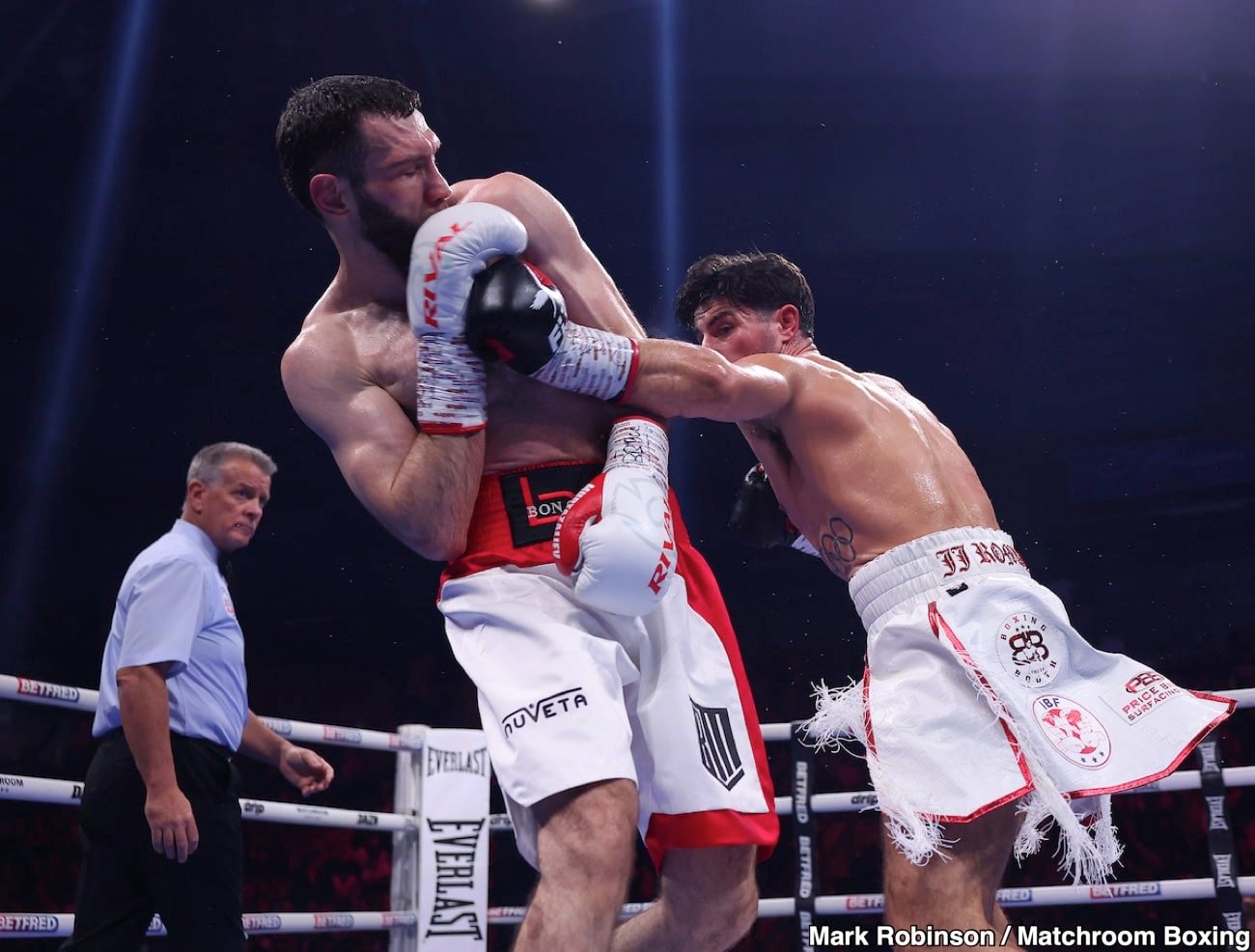

The fight itself was tense and uneven, but it was also purposeful. Kelly relied on movement, timing, and control to take away Murtazaliev’s strengths. It wasn’t pretty for long stretches, yet it was effective. By the final bell, Kelly had done enough to justify the scores and walk away with the title. What followed has been more revealing than the fight.
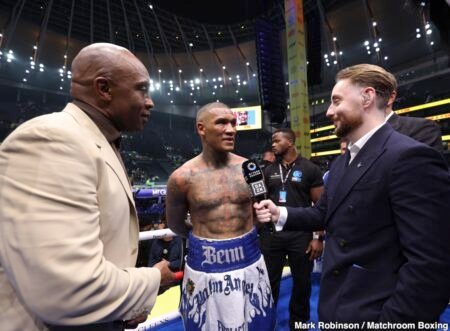
Rather than talking up the other contenders waiting in the division, Kelly’s attention quickly turned toward Conor Benn. Benn is a familiar name and a proven draw, but he isn’t a junior middleweight and has already indicated that his plans involve a return to 147. The appeal of the matchup is obvious, and it has little to do with settling the pecking order at 154.
That shift stands out because Kelly has framed himself as someone unimpressed by fighters who chase visibility over substance. Yet Benn represents exactly that kind of opportunity: a big stage, a sellable narrative, and a lower degree of divisional risk than the established threats Kelly now sits above as champion.
After beating Murtazaliev, Kelly has options he didn’t have before. He can use the belt to test himself against the rest of the division and remove any remaining doubts about where he belongs. He can also use it to secure the biggest event available while the spotlight is bright.
There’s nothing unusual about choosing the latter. Boxing has always rewarded timing and leverage. The disconnect comes when that choice is presented as something else. A stadium fight against a natural welterweight may make financial sense, but it doesn’t advance the division or answer questions raised by Kelly’s title win.
Kelly earned respect by stepping in with Murtazaliev. The next defence will show whether that fight was the start of a serious run at 154 or simply the moment that opened the door to a more comfortable path.
Read the full article here