




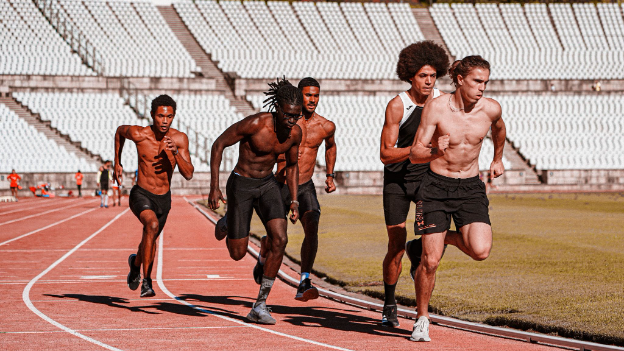
Training places stress on the body, and improvement depends on how well the body adapts afterward. Athletes often focus heavily on workouts, match preparation and performance, but recovery deserves the same attention. Without sufficient recovery, fatigue can accumulate and affect both physical performance and concentration.
Recovery does not necessarily mean complete inactivity. Depending on the sport and training load, it can include light movement, stretching, adequate nutrition and quality sleep. The right approach also changes according to the athlete’s age, fitness level and competition schedule.
Why the Hours After Training Matter
The period after demanding exercise is an opportunity to begin restoring energy and preparing the body for its next challenge. Fluids, food and rest all play a role in this process.
For people who also explore digital entertainment outside their sporting activities, a real money casino Clubhouse can represent a separate leisure option. It is fundamentally different from physical training and recovery, which depend on managing exertion, rest and the body’s response to exercise.
After training, athletes should focus on practical recovery habits rather than immediately returning to another demanding activity.
Sleep Should Be a Priority
Sleep is one of the most important parts of recovery. During sleep, the body has time to carry out processes associated with physical restoration, while the brain also processes information and experiences from the day.
A consistent sleep schedule can be particularly useful for athletes who train early in the morning or compete regularly.
Several simple habits may support better rest:
- keeping regular sleeping hours;
- limiting unnecessary screen use before bed;
- creating a comfortable sleeping environment;
- avoiding heavy meals immediately before sleeping;
- allowing enough time for rest.
The exact amount of sleep required varies between individuals, but consistently sacrificing sleep can make demanding training more difficult to manage.
Nutrition Supports the Next Session
Food provides the energy required for training and helps the body recover afterward. The appropriate nutritional approach depends on the sport, training intensity and individual requirements.
A balanced meal after exercise can include a source of carbohydrates, protein, vegetables or fruit and sufficient fluids.
Carbohydrates can help replenish energy stores, while protein contributes to normal muscle maintenance. Athletes who train frequently may need to pay particular attention to eating regularly throughout the day rather than relying on one large meal.
There is no single recovery meal that works for every athlete. Personal preferences, dietary requirements and the type of activity all matter.
Hydration Is Easy to Overlook
Fluid loss during exercise can affect how an athlete feels during and after training. Sweating levels vary significantly depending on temperature, clothing, exercise intensity and individual characteristics.
Drinking regularly throughout the day is generally more practical than waiting until after training to consume a large amount of fluid.
During longer or particularly demanding sessions, athletes may also need to consider electrolytes. The appropriate choice depends on the duration and conditions of the activity.
Hydration should therefore be viewed as an ongoing habit rather than something that begins when training finishes.
Rest Days Have a Purpose
Some athletes worry that taking a rest day means losing progress. In reality, recovery periods are an important part of a structured training programme.
A rest day can provide an opportunity for the body to recover from accumulated fatigue. It may involve complete rest or light activity, depending on the athlete and programme.
Walking, gentle mobility exercises or another low-intensity activity can sometimes be preferable to another demanding workout.
The key is to distinguish recovery activity from another training session. If the body needs rest, adding more intensity may work against the original goal.
Active Recovery Can Keep the Body Moving
Not every recovery session needs to involve sitting still. Light movement can help athletes maintain mobility between harder training days.
A relaxed walk, easy cycling session or gentle mobility routine can provide movement without creating the same physical demands as intensive exercise.
The intensity should remain low enough that the activity does not become another source of significant fatigue.
This approach can also help athletes maintain a routine on days when they are not completing their main training programme.
Listen to Changes in Performance
One difficult aspect of training is recognising when normal tiredness has become excessive fatigue.
A single difficult session does not necessarily indicate a problem. However, persistent changes in performance, unusual tiredness or a noticeable decline in motivation may suggest that the current training load needs to be reviewed.
Keeping a simple training record can help identify patterns. Athletes can note training duration, perceived effort, sleep quality and general energy levels.
Over time, this information can show whether difficult sessions are followed by adequate recovery.
Recovery Changes During Competition Periods
An athlete preparing for an important competition may have a different recovery routine from someone following a general fitness programme.
When several matches or events take place within a short period, there may be less opportunity for extended rest. Nutrition, hydration, sleep and workload management become particularly important.
Coaches and athletes can adjust training intensity around competitions rather than treating every day in exactly the same way.
This is one reason professional sports teams often use carefully planned schedules instead of simply training as hard as possible every day.
Read the full article here