



The established companies had decades to reduce the number of titles, arrange the leading fights, and develop boxers into recognizable stars. Instead, promoters protected their champions as financial assets while the sanctioning bodies produced regular, interim, and super titles.
Becoming a champion consequently lost much of its value. DiBella argued that the average titleholder can walk through Times Square during rush hour without being recognized.
“We opened the door for Jake [Paul]. We opened the door for Turki Alalshikh. We opened the door for Zuffa and TKO. We opened the door for Dana and Nick. Anyone saying we didn’t open that door is a liar.”
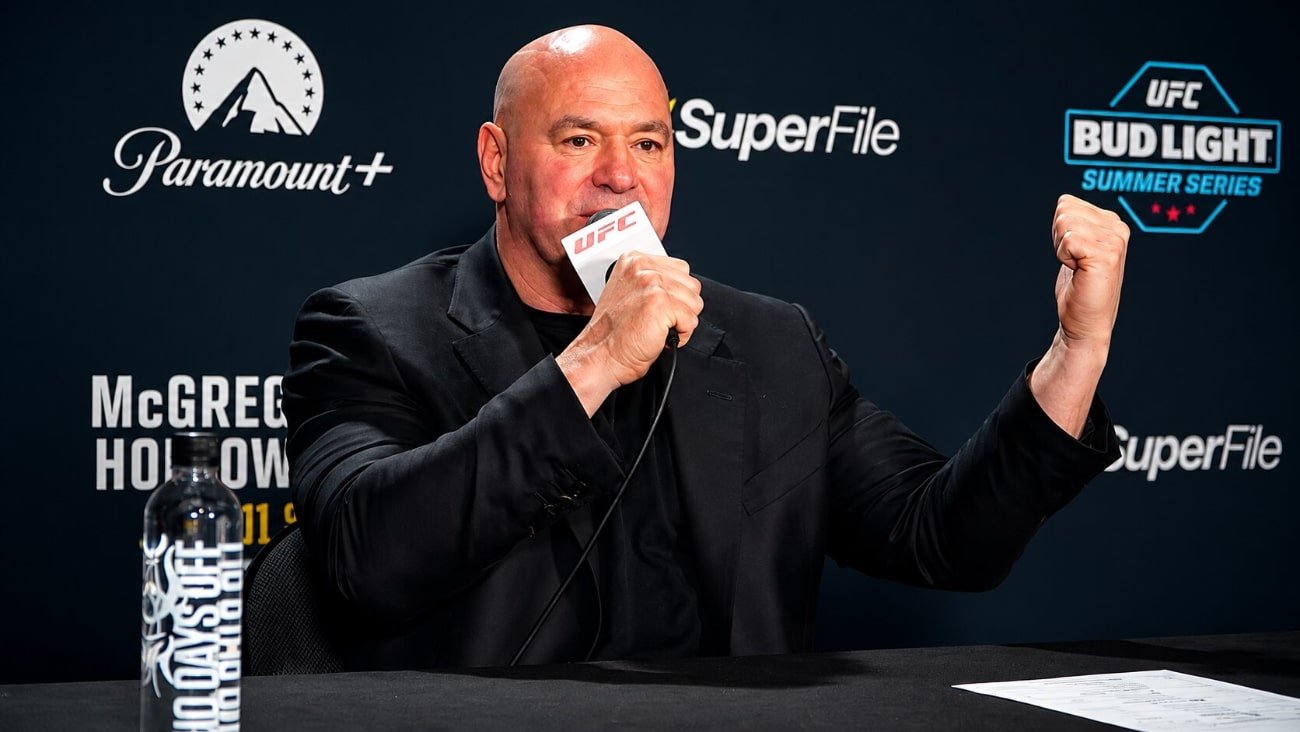
Zuffa Boxing also has a clearer route to casual American viewers. Paramount already owns a large entertainment platform, while DAZN remains known primarily among dedicated boxing followers in the United States.
Hearn received particularly harsh criticism for his attempt to conquer the American market. DiBella described him as an effective self-promoter who can make individual events feel important, but said he returned to Britain “with his tail between his legs.”
His failure leaves Matchroom, Queensberry, Top Rank, and PBC facing a company with a stronger US television position and a centralized business model. British promoters have the best chance of remaining powerful because the UK is boxing’s strongest national market, DiBella believes, but he sees no traditional promotional company equipped to stop Zuffa in America.
The risk is that Zuffa replaces boxing’s fragmented system with a near-monopoly that controls fighters, championships, and matchmaking. DiBella dislikes that outcome, yet his larger argument is difficult to dismiss: the old guard had control of boxing and gave Zuffa every reason to believe it can run the business better.
Read the full article here