
“If one guy’s getting paid 15 million and the other guy’s getting 15 grand, that’s a big difference,” Aspinall said.
UFC fighters compete under long-term promotional contracts that set purses and bonuses, while boxers often negotiate their pay for each bout depending on the event.
A major pay-per-view event or high-profile bout can dramatically increase what a boxer earns for a single night in the ring. Fighters across both sports are aware of how those systems produce very different financial results.
Aspinall said athletes understand the agreements they sign, even when pay later becomes a talking point among fighters and fans.
“A lot of MMA fighters, UFC fighters, UFC champions, they like to complain about the money that we’re getting paid,” Aspinall said. “But that’s the contract that we all signed. We’re not going to get more than that.”
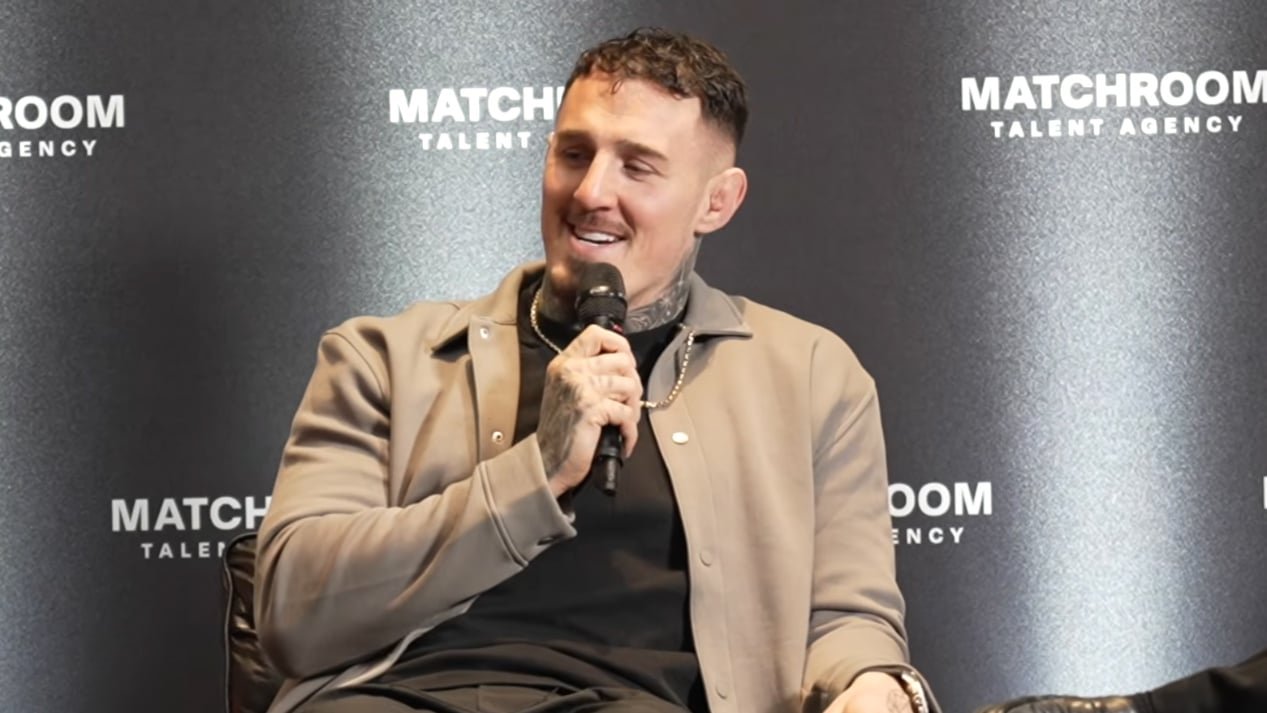
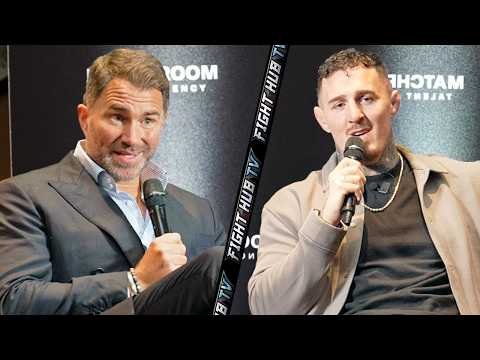
The British heavyweight recently agreed to work with Matchroom’s new athlete representation agency. The arrangement is intended to develop commercial opportunities away from fights, including sponsorships, appearances, and media work that can increase a fighter’s earnings outside competition.
“I want to make as much money outside of the Octagon as I possibly can,” Aspinall said. “Commercially, there’s a lot to be done for my profile.”
Aspinall is recovering from multiple surgeries and said his return to the cage will depend on medical clearance. His comments reflect a comparison fighters frequently make when discussing earnings across combat sports, particularly when major boxing purses circulate widely on social media and in fight coverage.
Read the full article here