



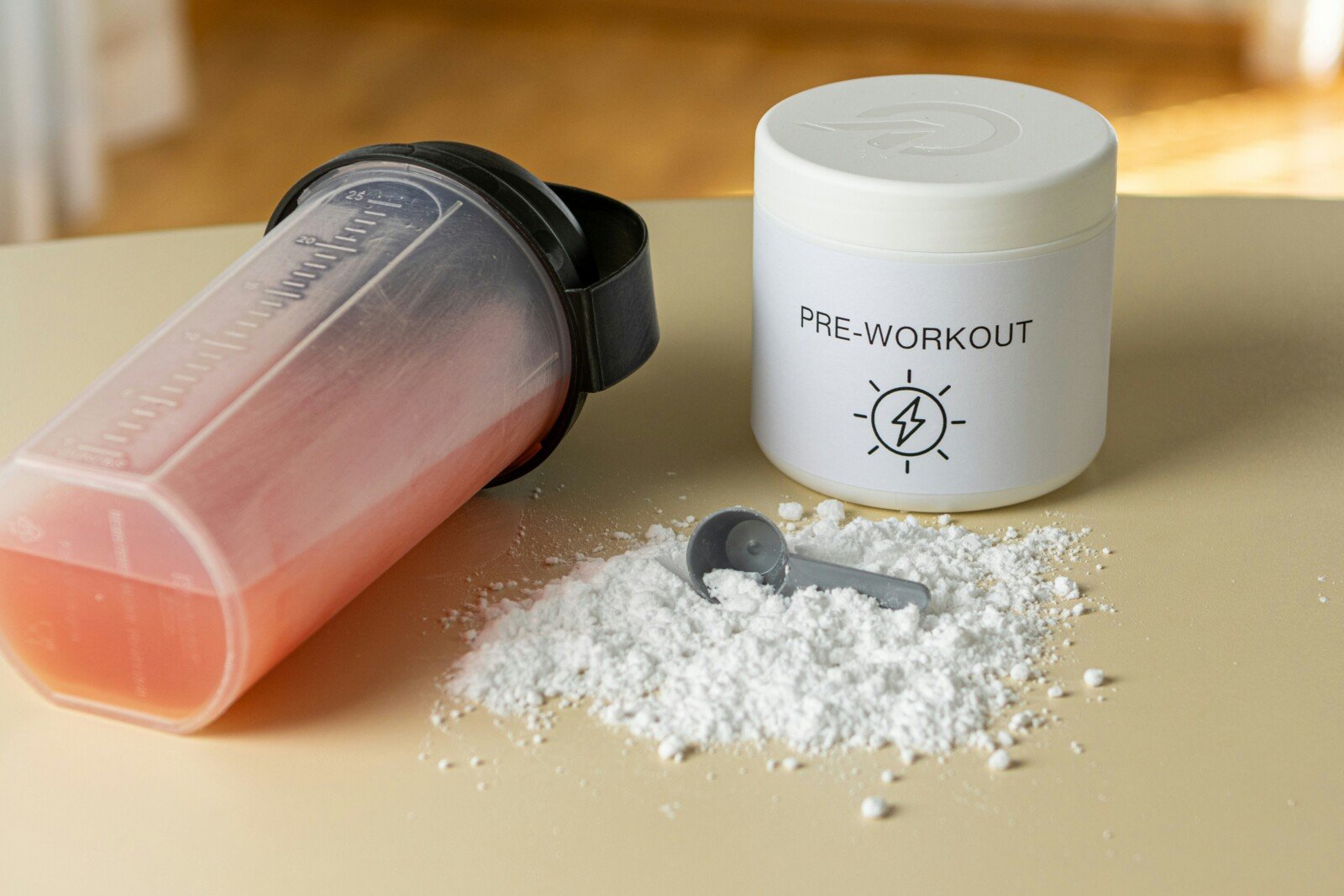
Creatine in golf is usually considered not as a way to ‘improve your swing’ directly, but as support for strength and power development that underpins shot speed and explosiveness. Its effects are linked to phosphocreatine availability in muscle, which is relevant for short, high-intensity efforts – similar in nature to a single explosive movement.
In practice, creatine tends to make the most sense when an amateur is also doing resistance training (for example, strength training) or interval work and wants to maintain training quality over consecutive weeks. If you play mainly recreationally and do not build a parallel strength base, the impact of supplementation is typically limited compared with improvements in technique, mobility, and a structured conditioning plan. If you would like to compare different product forms, more information can be found at nutrafitUK.
How to approach creatine supplementation sensibly
The most commonly chosen option is creatine monohydrate taken as a consistent daily dose over an extended period. Time of day is usually secondary, so it is worth linking your serving to a meal or another fixed part of the day to reduce the risk of missed doses. For some people, tolerance is better when creatine is taken with food.
Creatine in golf does not require a ‘special window’, but it does require consistency – especially during weeks when your routine is split between training, work, and rounds on the course. Preparing servings in advance can be helpful, as can paying attention to hydration during activity, particularly in warmer conditions. If gastrointestinal discomfort occurs, a practical approach is to move the dose to a larger meal or split the serving.
A sensible approach also keeps the wider context in mind: creatine does not replace sleep, nutrition, or work on technique. Some people experience a short-term increase in body mass related to greater muscle water content, so before introducing a supplement it is worth getting the fundamentals in order:
- a consistent daily dose maintained for several weeks,
- a simple form (monohydrate) with a clear ingredient list,
- monitoring tolerance and training response,
- aligning use with your preparatory and competitive periods.
In summary: for an amateur golfer, creatine is most useful when it sits within a broader approach to physical preparation rather than being treated as a “standalone solution”. Start by organising the basics of training and nutrition, and treat supplementation as an additional tool.
This text is for informational purposes only and does not constitute medical advice. If you have any doubts, consult a doctor; this is particularly important in the case of chronic conditions (including kidney disease), use of medications, pregnancy, or breastfeeding.
Read the full article here