Through its various iterations ExxonMobil has been involved in motorsport for over a century and was part of F1’s very first race, the 1950 British Grand Prix. As a mainstay of the championship, the brand is therefore well placed when it says the all-new power unit regulations for 2026, including a switch to sustainable fuels, sets an unprecedented challenge.
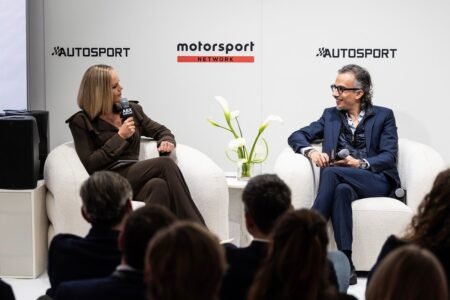
“F1 really gave us a staggering engineering challenge,” said Katy Howell, ExxonMobil Manager of Marketing Services and Sponsorship, at the Autosport Business Exchange in London which brought together leaders from all areas of motorsport.
“We have been doing motorsports for 110 years. We were at the first F1 race in Silverstone, so we have 75 years of experience in formulating fuels and lubricants to help champions win. And this year, we got the opportunity to create fuels that have that same level of performance out of materials we have never used before. That includes manure, food waste, and non-food crops like switchgrass. And the question is, how can you create a high-performance F1 fuel out of those crops?
“Luckily, we had 75 scientists and engineers working on this challenge for over three years. They developed almost 100 formulations before we landed on the one that we’re going to be racing with. And it is blended, drummed, and ready to go.”
Naturally, ExxonMobil’s engineers aren’t working in isolation, but they’re joined at the hip with Red Bull and its ambitious Red Bull Powertrains operation in the UK, ExxonMobil having been the team’s official lubricant and fuel partner since 2017.
“We really are part of the team,” said Howell. “Matti Alemayehu, who’s our Motorsport Technology Director, is on the phone once or twice a day with Ben Hodgkinson at Red Bull Powertrains, discussing iterations and figuring out how to do the next bit of work. We have a lab in their Powertrains facility, because every time there’s a change to the engine, the fuel is bespoke formulated for the engine and then the motor oil has to work with the fuel.
“We also have two embedded technicians that travel with the team, and we have a lab at track, where we are pulling 90 samples per weekend of the fuels and lubricants to meet the FIA requirements, but also to help the team find insight to drive those important strategy choices on a race weekend.
“Thirdly, we’re very lucky that we have the full breadth of ExxonMobil. We don’t just have fuels and lubes. We have graphite, we have lithium, we have rubber. So, if the broader team needs support, we try and get the right people on the phone. And it’s been very successful so far with 78 Grand Prix wins since we partnered with Red Bull.”
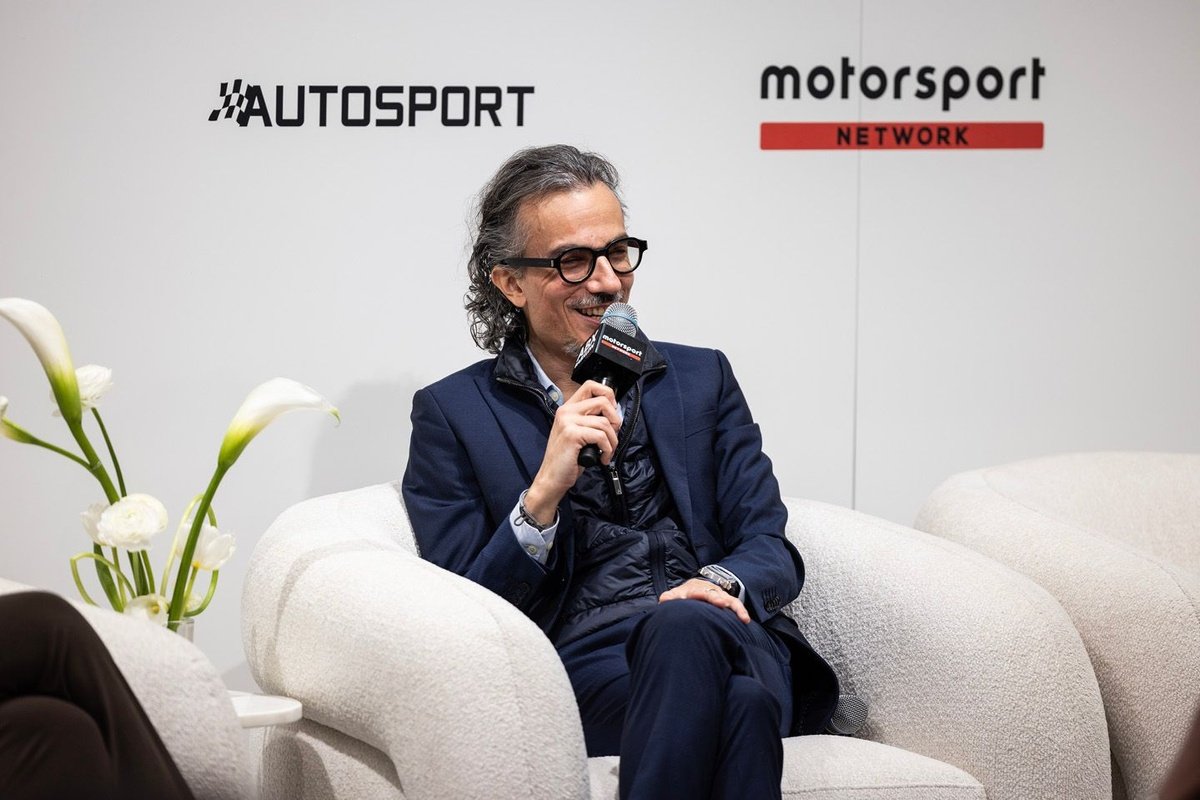
Team principal Laurent Mekies praised how a large company like ExxonMobil has fully embraced F1’s agile and fast-paced environment.
“As Katy said, her teams have developed over 100 different fuels and oils. We test these iterations on the dyno and it turns out we’ve gained one kilowatt or half a kilowatt or a certain characteristic,” Mekies explained. “And we keep calling them and say: ‘Well, forget about the previous version. Can you then make the latest one?’
“It’s a huge company, but they have managed to keep the motorsport flexibility of pursuing the extreme quest of performance that we have. It doesn’t get much better as a partner to be able to pick the phone and to say: “Well, you know what, it’s late in the day, but we really found that small bit of performance. Can you react?’ And that’s what they will do.”
By emphasising road relevance with a near 50-50 split between electric energy and combustion power, F1’s sweeping rule changes for 2026 have succeeded in retaining existing OEMs and attracting new ones, including Red Bull’s new partner Ford. That relevance for its consumer products is also a crucial hook for ExxonMobil.
“Track to road is obviously very important to us and every innovation we make in motorsport eventually finds its way to the consumer,” Howell added. “So, what we’re learning about motor oil is really going to influence consumer motor oils really soon and what we’re learning about sustainable fuel will also influence the future.
“It’s something that our scientists clamour to work on, because while it’s really difficult, they’re getting to work in the most extreme environments. Not just F1, but the World Rally Championship, World Endurance Championship, and everything we learn from those different series helps us formulate the best products, which is part of why we’re in motorsport.
“We always want to innovate, we want to help champions win and then we want to deliver that to our consumers.”
We want to hear from you!
Let us know what you would like to see from us in the future.
Take our survey
– The Autosport.com Team
Read the full article here