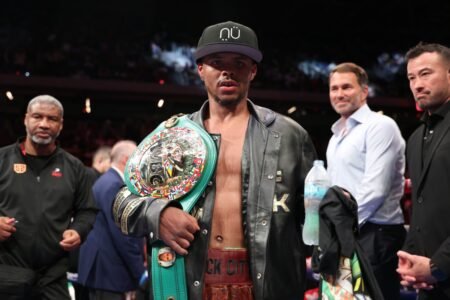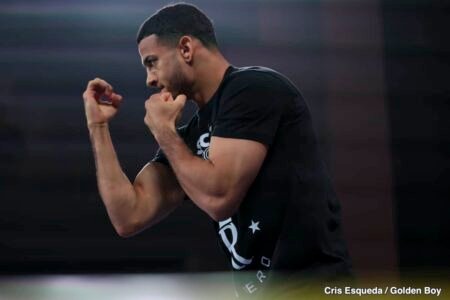




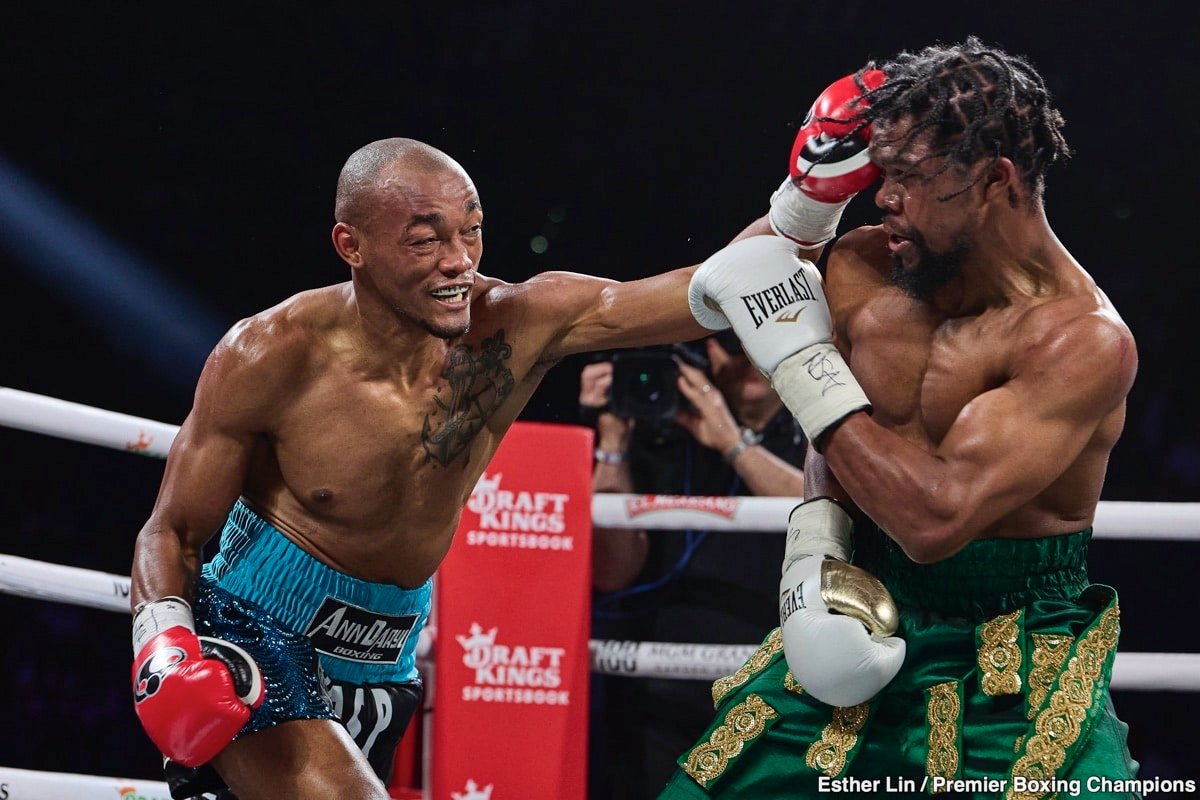
That outcome complicates what Smith’s promoter Eddie Hearn had been lining up next. A unification fight with IBF champion Richardson Hitchins had been discussed, as had a domestic defense against Adam Azim in the UK. Both remain attractive options, but the WBC ruling understands them as secondary unless an exemption is secured.
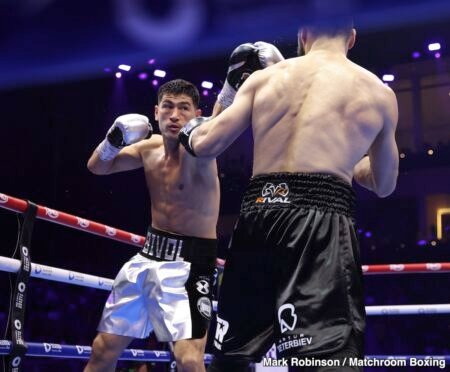
Stylistically, Puello presents a very different challenge than Matias. Where Matias stood his ground and allowed exchanges to develop, Puello is unlikely to cooperate. He is a southpaw who prefers space, movement, and disruption. He circles, changes direction, and looks to break rhythm rather than get caught in prolonged exchanges.
Puello is comfortable slowing fights down and forcing opponents to reset repeatedly. When pressure closes in, he clinches. When exchanges threaten to build, he gives ground. The intent is control rather than confrontation, often leaving opponents stuck fighting at a pace they do seen fit.
That approach puts a different kind of demand on Smith. Aggression alone will not be enough. He will need patience, discipline, and consistent ring positioning to cut off exits rather than chase them. Smith has shown adaptability and sharp timing, and he is capable of punishing mistakes if Puello becomes predictable.
Still, this is the kind of mandatory most champions would rather avoid. It is technical. It is awkward. It offers little spectacle and few easy moments. If it comes next, it will test Smith’s composure and problem-solving more than his power, and that may be the point of the fight.
Read the full article here