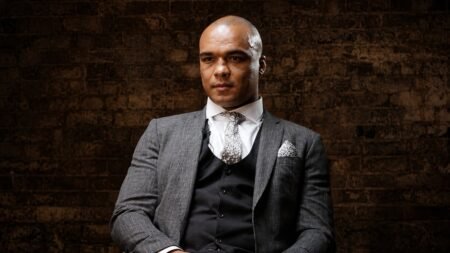






“He’s a sharpshooter when he boxes right. He didn’t box right against Garcia. He tried to go get Garcia. That’s not him. He’s a guy that sets traps. He’s real accurate with his punches. He doesn’t waste anything. He’s a consummate boxer, counterpuncher, and he didn’t fight. He came out of character against Garcia, and he paid a price for it,” Atlas said on The Fight with Teddy Atlas.
While Atlas suggests Haney is back to his old self, beating Norman is a completely different assignment than dealing with Garcia. Norman did not possess the specific weapon that gave Haney nightmares, nor did he wage psychological warfare for two months leading up to the opening bell. A second promotion would immediately bring up the failed drug tests, the civil lawsuit, and the three knockdowns Haney suffered in Brooklyn. Remaining calm against a standard contender in a sterile build is easy compared to keeping cool while Garcia mocks you on a public stage.
Beyond the mental aspect, the physical danger has not changed. Haney still tends to reach with his jab, leaning over his front knee and leaving his chin exposed along the exact angle Garcia targets with his left hook. Tightening his right hand can mitigate some risk, but recovering his guard fast enough to beat Garcia’s hand speed is another matter entirely.
Moving to welterweight does offer Haney better durability after years of draining down to 140 pounds, yet extra mass often costs a boxer a step of foot speed. If Haney becomes too tentative out of respect for Garcia’s power, he risks giving away rounds by waiting too long to pull the trigger.
Atlas sees a transformed fighter, but Ryan already knows he can crack Haney’s chin. Until Haney proves he can take that left hook flush and keep his composure under heavy fire, one solid bounce-back win does not erase the blueprint Garcia put on film.
Calling Haney improved because he survived against Jose Ramirez and Brian Norman Jr. ignores what actually took place inside those ropes. He looked gun-shy, skittish, and terrified of taking a flush shot. Against Ramirez, Haney did not put on a masterclass. He fought an aging, faded pressure fighter who was tailor-made for a clean counter-punching showcase. Instead of setting traps and letting his hands go with authority, Haney was on his bicycle, grabbing in close, and throwing single shots just to scrape rounds on the scorecards.
When a fighter lands barely five or six punches a round and spends the rest of the time tying up, that is not growth. That is damage control. The Norman fight was even more revealing. Norman had crude technique, zero experience at the elite level, and spent half the night lunging into empty air.
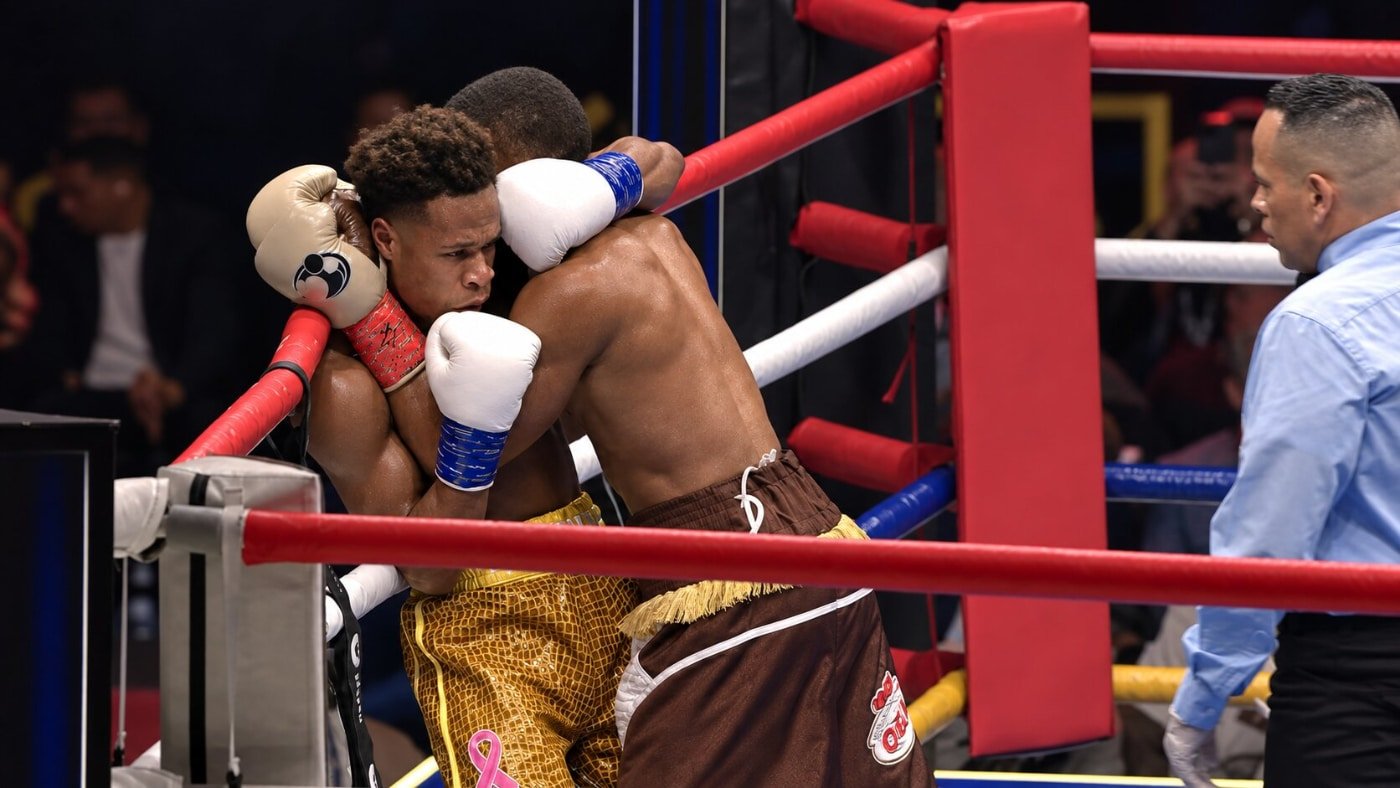
A prime, confident Haney would have picked him apart with sharp combinations and controlled the pocket. Instead, Haney looked shell-shocked the moment Norman tried to apply physical pressure. Haney held constantly, smothered his own work, and moved defensively without setting up any real offense to discourage Norman.
Surviving twelve rounds by spoiling and clutching is a survival reflex, not technical improvement. Haney’s chin and confidence took a permanent dent when Garcia repeatedly bounced that left hook off his head in Brooklyn. Now, whenever an opponent steps forward with bad intentions, Haney defaults to frantic clinching and lateral retreat. He might have the decision wins on his record, but the tape tells a completely different story.
Haney is fighting scared, fighting negative, and hiding behind excessive holding because he knows he can no longer trust his chin. Against punchers who do not care about his feather-fisted counters, that nervous, safety-first approach is a ticking time bomb.

Read the full article here