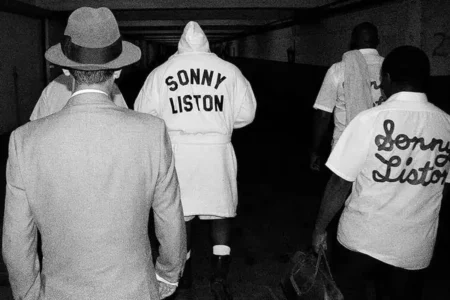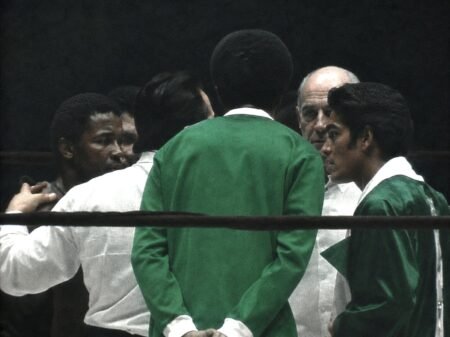





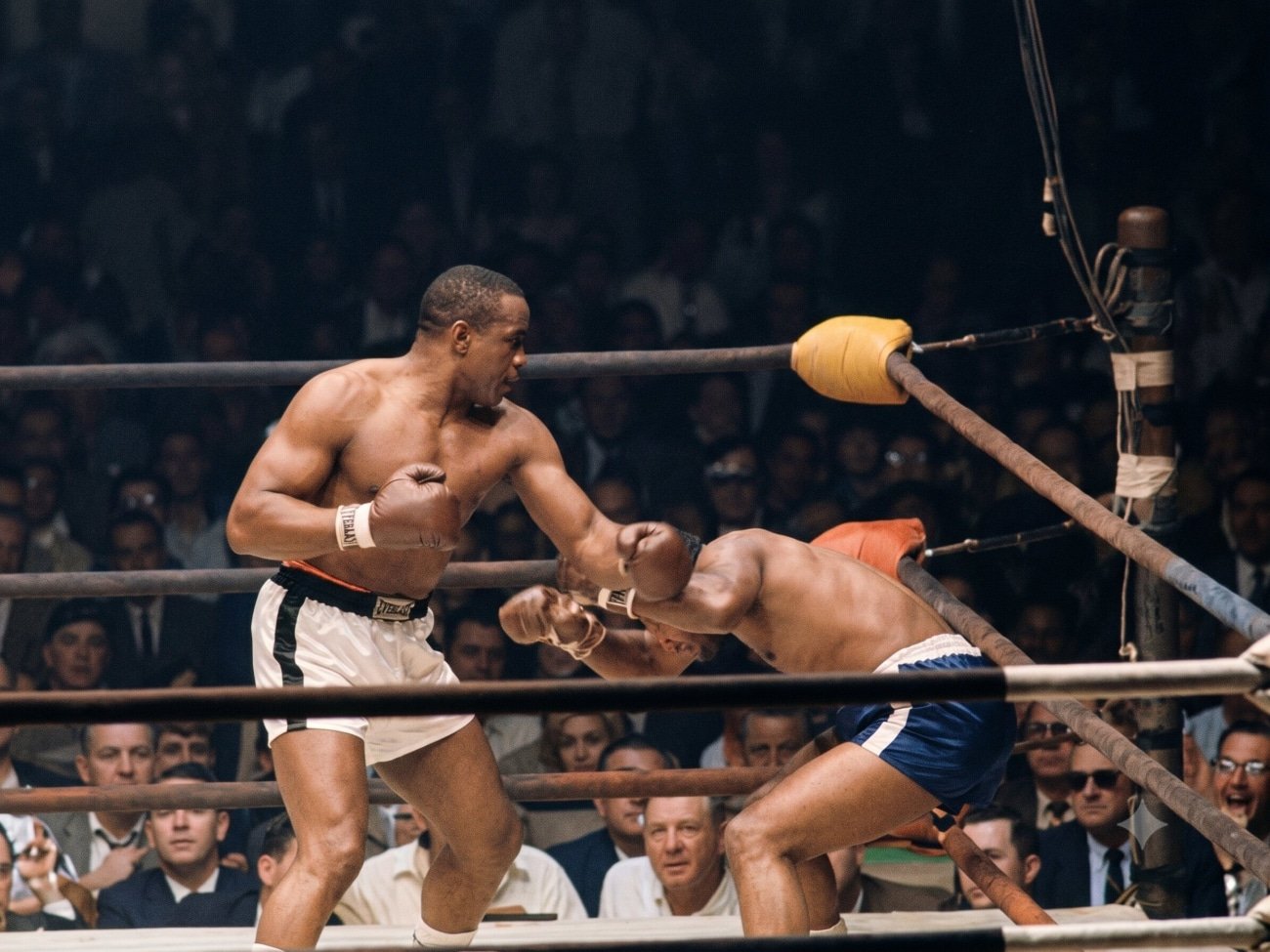


The fight carried enormous significance beyond the championship itself. It was the first heavyweight title bout sanctioned by the newly formed World Boxing Council (WBC), while Liston defended recognition as WBA, New York State Athletic Commission and The Ring heavyweight champion. It also shattered financial records, with both fighters earning $1.434 million apiece, the first time in boxing history that each participant received a seven-figure purse.
The rematch almost never happened on its scheduled date. After Liston’s devastating first-round knockout of Patterson on Sept. 25, 1962, Patterson exercised the rematch clause in his contract. The bout was originally scheduled for April 4 in Miami Beach before being delayed because of Liston’s injured left knee. It was then moved to Las Vegas and postponed again when Patterson underwent surgery to remove a benign tumor from his right hand.
Despite the delays, few believed Patterson’s chances had improved. Liston entered with a 34-1 record and was installed as a 4-1 betting favorite, reportedly training lightly because he expected another quick night.
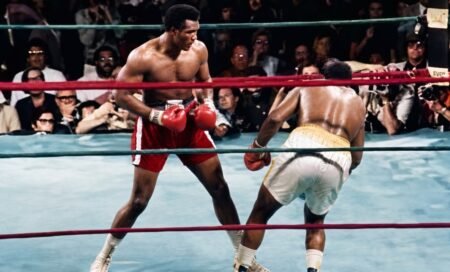
To Patterson’s credit, he enjoyed more success than in their first encounter, landing a handful of combinations early. But closing the distance against the longer, stronger champion remained nearly impossible. Liston soon found his range with his piston-like jab before detonating heavy right hands and left hooks upstairs.
The punishment quickly mounted. Liston blasted Patterson to the canvas with a barrage of punches. Patterson courageously rose twice, only to be sent down again moments later. After the third knockdown, Krause completed the count as Patterson remained unable to continue.
The bout had barely begun before it was over. A ringside vendor reportedly shouted, “Last round, folks!” just before the opening bell. The prediction proved remarkably accurate.
Despite another emphatic victory, Liston still struggled to win over the public. Many fans booed the abbreviated championship fight, frustrated that another Patterson-Liston meeting had ended almost before they settled into their seats.
“The public is not with me. I know it,” Liston said afterward. “But they’ll have to swing along until somebody comes to beat me.”
The rematch produced several lasting effects on boxing. The Ring magazine named its lone round the 1963 Round of the Year, making it the fifth consecutive year a Patterson fight received that distinction. The World Boxing Association also reacted against the contractual rematch clause that had produced another one-sided championship fight, voting the following month to suspend any member commission approving mandatory return-bout clauses.
Liston’s demolition of Patterson cemented his reputation as perhaps the most intimidating heavyweight champion the sport had seen. His aura of invincibility would last only until February 1964, when a brash young challenger named Cassius Clay shocked the boxing world by taking away the heavyweight championship in one of the greatest upsets in sports history.
Although neither Liston nor Patterson regained the heavyweight crown, both remained leading contenders throughout the 1960s. Their two brief championship fights, however, remain among the most dominant title performances ever produced by a heavyweight champion, with Liston needing just over four minutes combined to end both contests.

Read the full article here