


Follow Boxing News 24 on Google News

Mike Coppinger disclosed that Davis had earned no more than $1 million for a previous fight and wanted $5 million after management fees to face Haney.

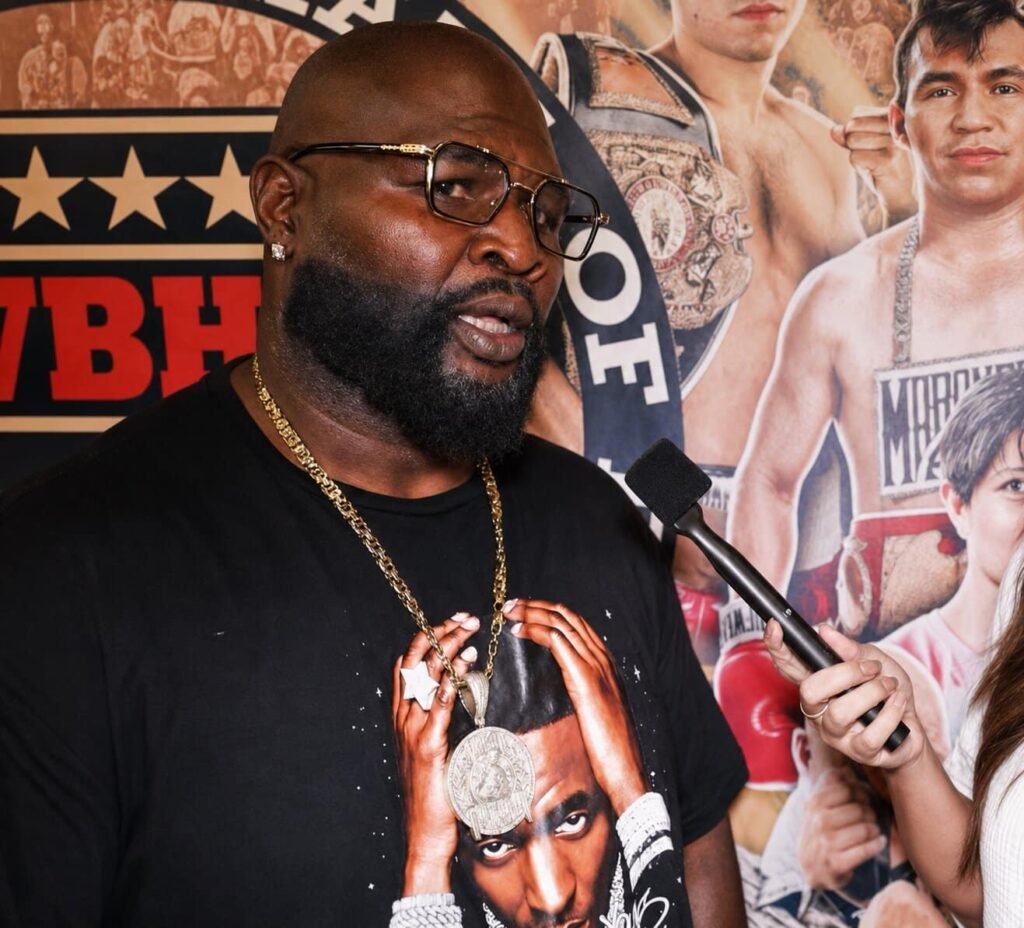
“If you haven’t done enough, look, $2 million. Be happy with that,” Toney said to Fight Hub TV. “Go out there, win in a very convincing way, and then we’ll see what happens. Take care of your business. If you win, your stock goes up. Work hard for it.”

When the interviewer questioned if Davis had ducked Haney or merely priced himself out, Toney gave a blunt answer.

“I call Duck City. Duck City.”

Toney’s criticism ignores part of the competitive risk Keyshawn faced. After only two fights at light welterweight, Davis would have jumped to 147 pounds to challenge a three-division champion. A loss to Haney threatened to damage his earning power far beyond a single payday.

The financial argument is harder to defend. Davis rejected three times his previous career-high purse before withdrawing after the purse bid reduced his share to $2.13 million. Wanting $5 million after management fees, placing the fight well beyond what either the original offer or the WBO process produced.

Beating Haney would have given Keyshawn the WBO welterweight crown, stronger bargaining power, and the biggest victory of his career. Instead, he abandoned the mandatory position and left Toney with an easy opening to accuse him of wanting elite money without accepting elite danger.

The “Duck City” label remains harsh because Davis was being asked to move up another division after only two bouts at 140 pounds. Rejecting $3 million, however, makes the decision look less like dissatisfaction with the purse and more like Davis placing a prohibitive price on the risk.

Youtube video

Read the full article here

Share.