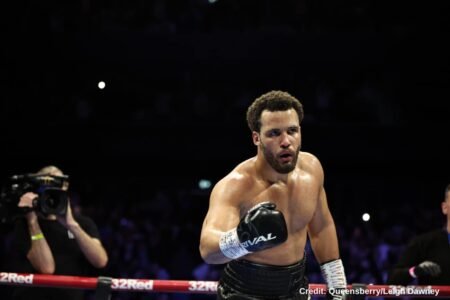





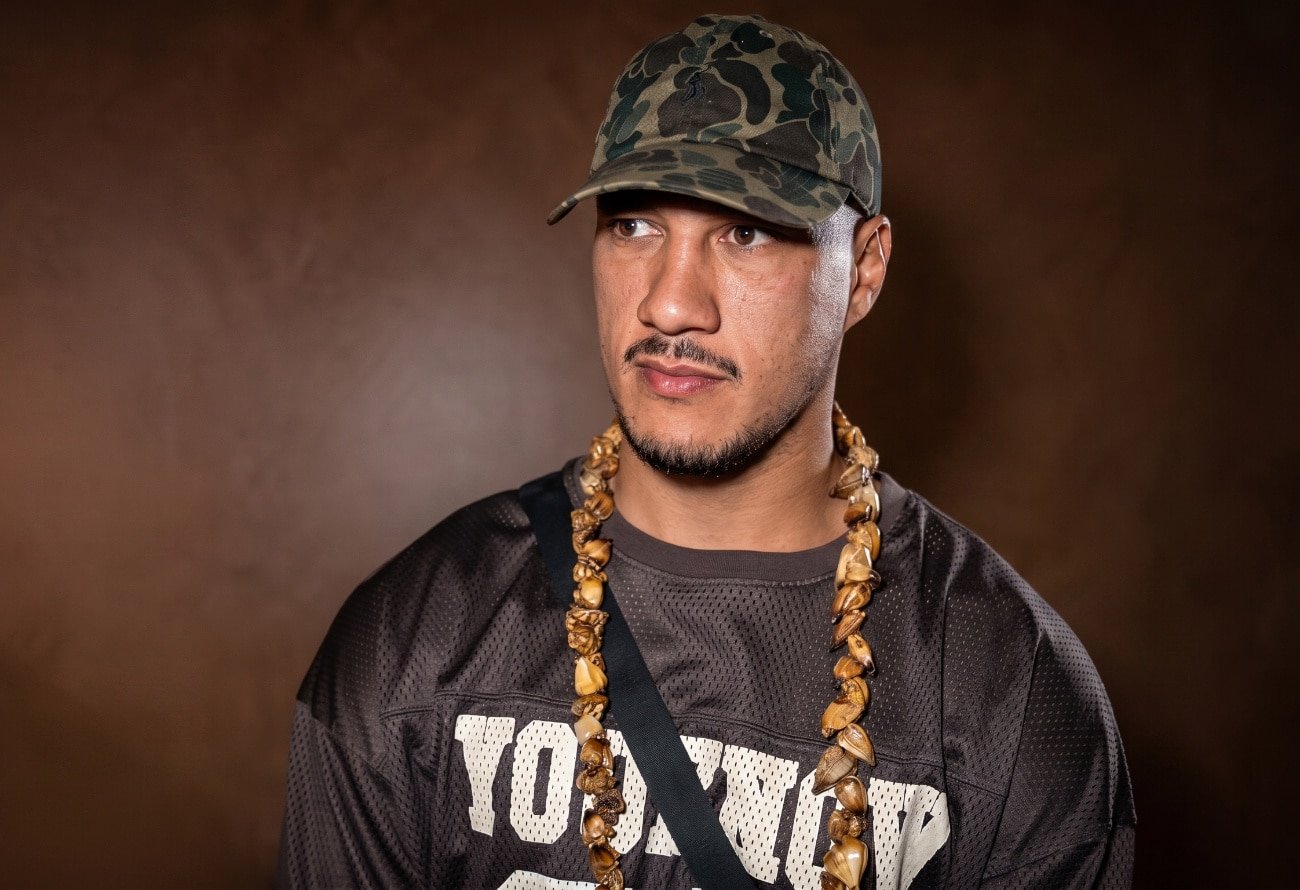


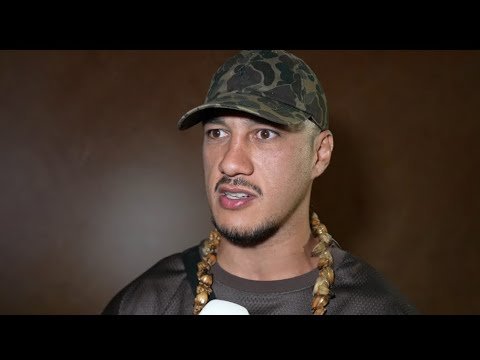
“The sports sort of changing off and drifting into this your mouth makes money instead of your skills,” Opetaia said to Boxing King Media.
The comment got a strong reaction because Opetaia has become one of the clearest examples of boxing’s high-risk, low-reward problem.
Although he was stripped of the IBF cruiserweight title outside the ring, many fans still view Opetaia as the division’s true leader because he continues to hold The Ring cruiserweight championship and has never been beaten professionally. Yet major names rarely mention him.
That has become increasingly noticeable after David Benavidez moved up to cruiserweight and defeated Gilberto Ramirez for titles earlier this month. Despite the win, Benavidez quickly shifted attention back toward a possible future fight with Dmitry Bivol at light heavyweight instead of discussing Opetaia.
The timing was notable because Bivol may not realistically become available until 2027, depending on how his mandatory obligations develop following this Saturday’s defense against Michael Eifert and a likely mandatory involving Callum Smith.
That potentially leaves Benavidez with plenty of time for another major fight before Bivol becomes available. Still, Opetaia’s name barely surfaces in discussions.
The matchup is viewed by many as dangerous stylistically for Benavidez because of the way both fighters operate offensively. Benavidez typically places himself directly in front of opponents while throwing sustained combinations and applying pressure. Few fighters approach Opetaia that way because of his punching power, physical strength, and willingness to exchange in close range.
Opetaia himself praised Benavidez during the interview and said the attraction of the fight would come from the skill level involved rather than manufactured hostility.
“I actually really respect Benavidez and the way he carries himself,” Opetaia said.
“People want to see our skills.
“That’s what we leave it to. We leave the talking to the ring.”
The lack of serious public interest in the fight has only strengthened Opetaia’s broader point that boxing often rewards positioning and promotion as much as proving who the best fighter actually is.

Read the full article here