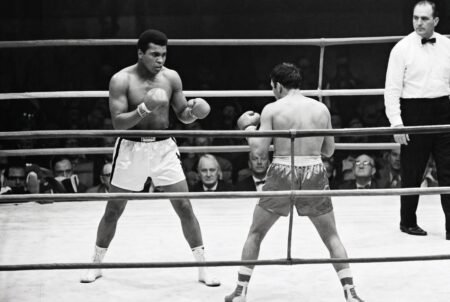




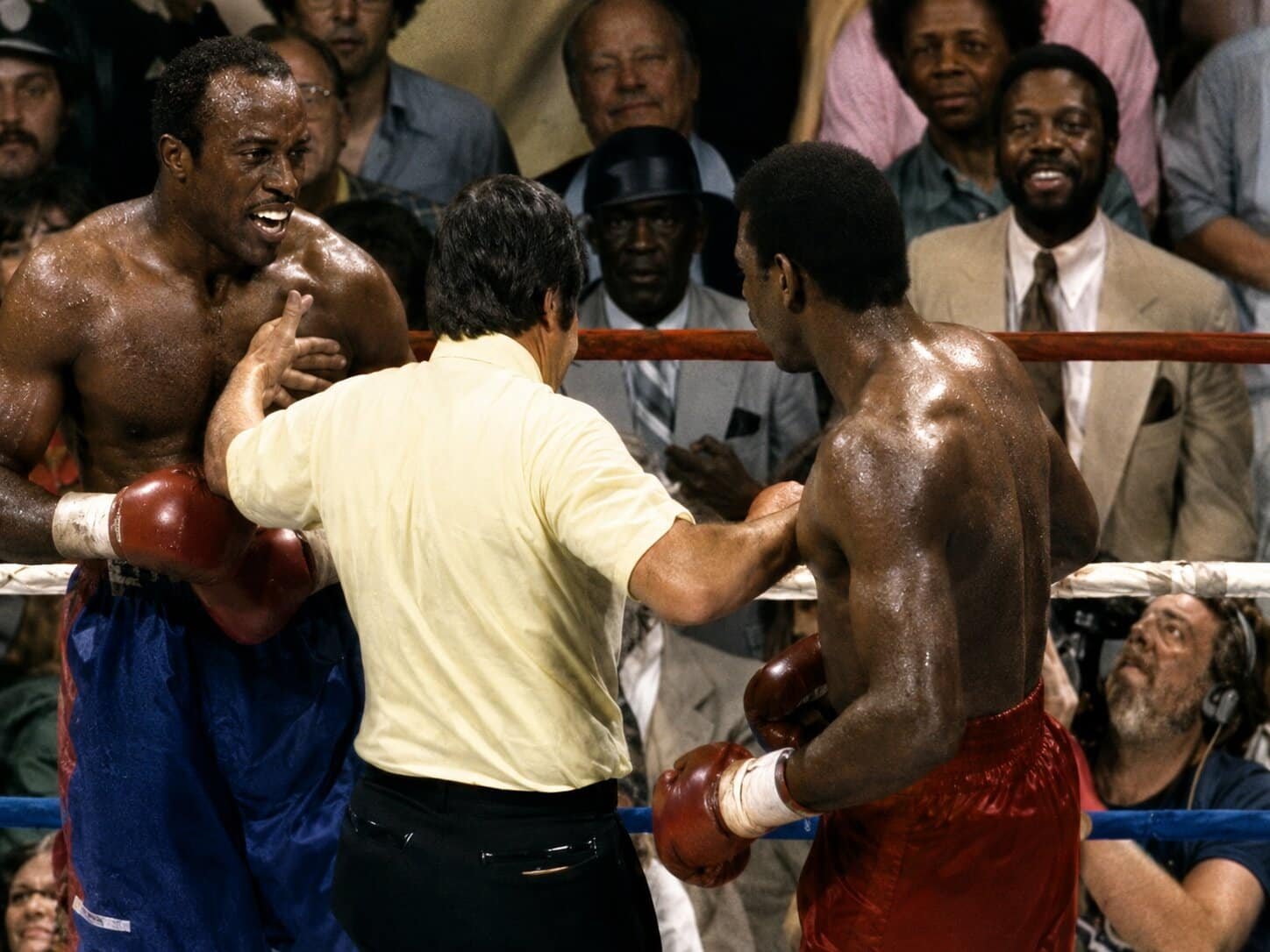


This time, Braxton was even more dominant. Braxton, 29, gave away considerable height and reach to the 28-year-old Saad Muhammad, but the physical disadvantages meant little once the action began. The 5-foot-5 titleholder worked his way inside behind his jab, forcing the taller challenger onto his back foot.
Saad Muhammad had replaced longtime trainer Sam Solomon with Steve Traitz following the first loss, but the change did little to alter the outcome.
Braxton bloodied Saad Muhammad’s nose in the second round and dropped him in the third. There would be none of the remarkable recoveries that had defined Saad Muhammad’s prime years. Braxton kept attacking with compact hooks, right hands, and heavy body shots.
By the end of five rounds, judges Tony Castellano, Tony Perez, and Dick Young had Braxton comfortably in front by scores of 50-43, 50-42, and 50-41.
The finish came quickly in the sixth. Braxton drove Saad Muhammad toward the ropes with a left-right combination and continued firing as the challenger struggled to defend himself. Referee Carlos Padilla intervened at 1:23, giving Braxton his second consecutive stoppage over his rival.
The performance established Braxton, who would become known as Dwight Muhammad Qawi, as the premier 175-pound fighter alongside Michael Spinks. He later defeated Eddie Davis before losing a light heavyweight unification contest to Spinks in 1983.
The night ended Saad Muhammad’s time at the top of the division. His championship years had featured extraordinary rallies and grueling wars, but those battles took their toll. He continued fighting long after the Braxton losses and was eventually inducted into the International Boxing Hall of Fame.
There was no miraculous Matthew Saad Muhammad comeback this night. Braxton’s inside control, compact punching, and relentless pressure produced an emphatic conclusion to a rivalry he had already taken command of seven months earlier.


Read the full article here