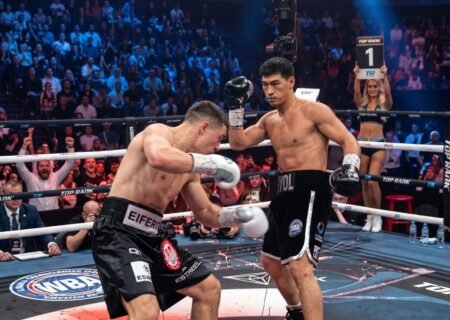






That creates a split scenario at 175 pounds. Bivol enters the bout still recognized as WBO champion, but only the WBA and IBF belts, along with The Ring championship, will be contested on fight night.
The move avoids formally removing Bivol as champion, but it limits the bout’s status in terms of full unification recognition. It also leaves the WBO belt in a separate track depending on what follows after May 30.
If Michael Eifert were to pull off a miracle upset, we’d be in a total mess. Eifert would be the WBA/IBF champ, Bivol would still be the WBO champ, despite losing his other belts, and the division would be fractured once again.
Eifert, the mandatory challenger, still gets his title opportunity, though not for all the belts tied to Bivol’s current position in the division.
For Bivol, the lack of a WBO sanctioning fee might actually be a small financial relief, but it certainly eats into the “undisputed” marketing of the event. At 35 and coming off back surgery, his primary goal is likely clearing the IBF hurdle to keep the path clear for a massive trilogy fight with Artur Beterbiev or a potential clash with David Benavidez later in the year.
The WBO’s decision is basically a political safety dance, an attempt to maintain a moral high ground without actually doing the heavy lifting of stripping a world-class champion.
By refusing to sanction the fight in Yekaterinburg but keeping Bivol as champion, they are trying to satisfy two very different masters.
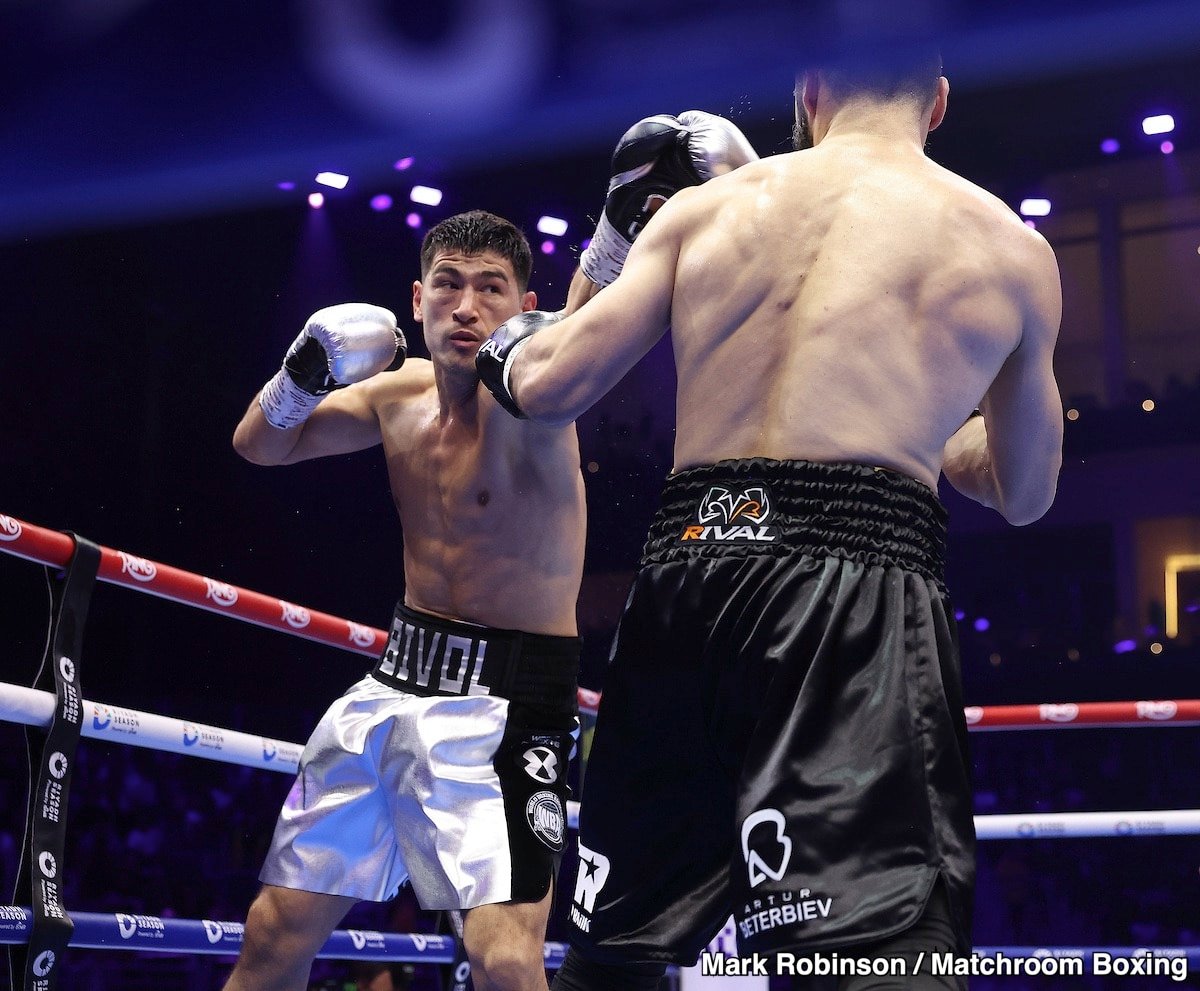
On one hand, they align with the broader Western sporting sanctions against Russia; on the other, they avoid the backlash and potential legal mess that would come from stripping a fighter who just recently solidified his legendary status by beating Artur Beterbiev.
Read the full article here