




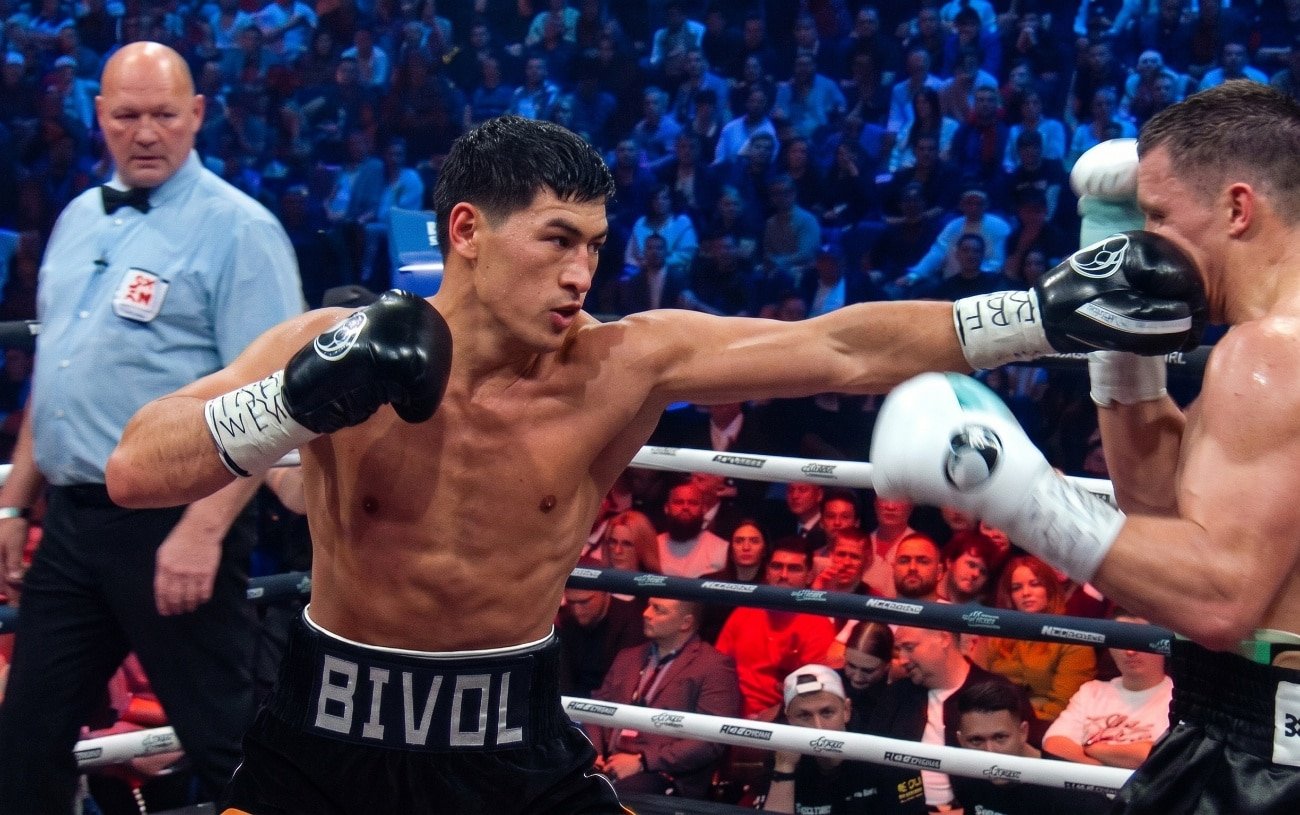


All three judges scored the fight the same at 120-107, 120-107 and 120-107.
The result moved Bivol to 25-1 (12 KOs) and marked a successful return following back surgery and his rematch victory over Artur Beterbiev. Eifert, a German contender who entered as the IBF mandatory challenger, fell to 13-2 (5 KOs).
Any concerns about ring rust disappeared in the opening round.
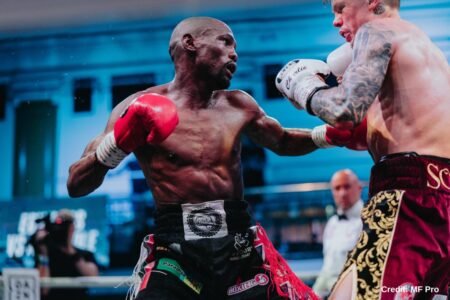
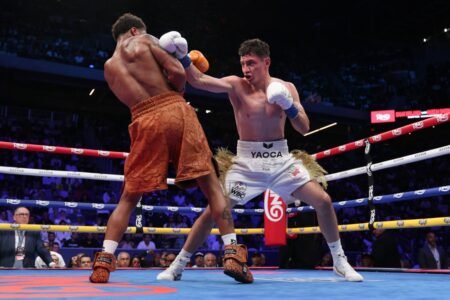
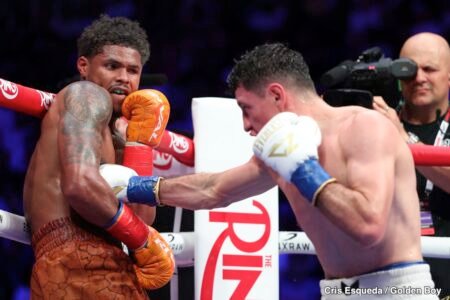
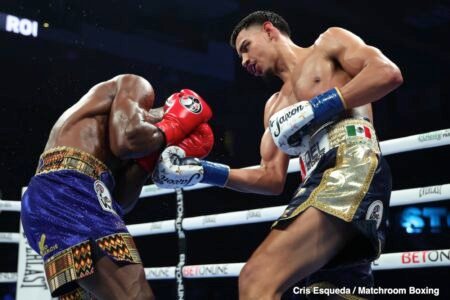
Bivol dropped Eifert with a left hook and immediately established control behind his jab, footwork, and timing. Eifert continued to press forward throughout the fight, but he struggled to close the distance against the champion’s movement and was repeatedly beaten to the punch.
The pattern remained largely unchanged through the middle rounds. Bivol mixed jabs, counter left hands, and body shots while maintaining a pace that Eifert could not match. The challenger showed toughness and continued trying to force exchanges, but he spent much of the fight following Bivol around the ring and absorbing clean combinations.
Bivol never appeared interested in taking unnecessary risks in search of a stoppage. Instead, he boxed patiently, controlled the range, and added rounds to an increasingly lopsided scorecard.
By the championship rounds, the outcome was no longer in doubt. Eifert continued to push forward, but Bivol remained defensively responsible and closed the fight with the same discipline he had shown from the opening bell.
The performance was a reminder of why Bivol remains one of boxing’s most technically complete fighters. After a lengthy layoff, he returned with his timing, footwork, and defensive awareness intact while successfully defending two world titles on home soil.
Read the full article here