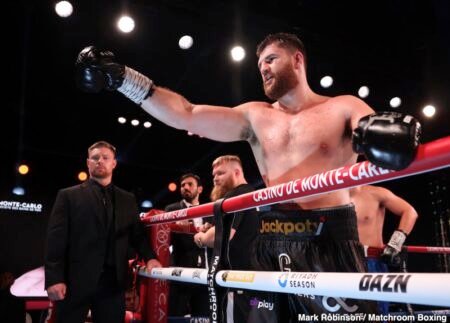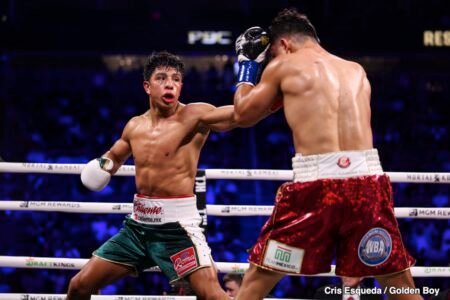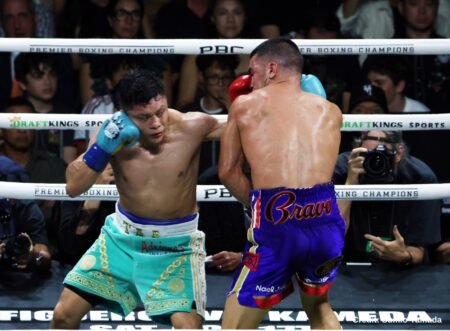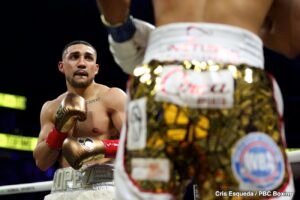



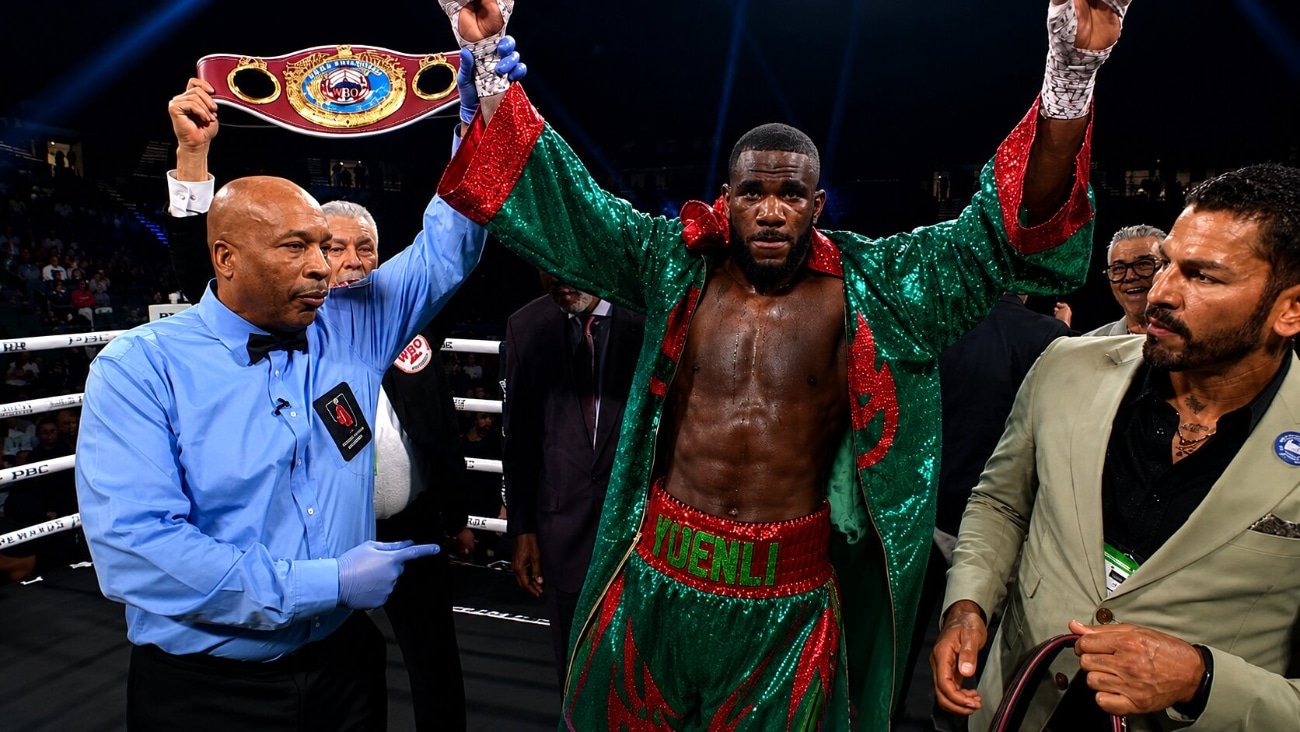
Denzel Bentley’s first defense as WBO middleweight champion is headed toward the fight he hoped to delay. Talks with mandatory challenger Yoenli Hernandez have failed, with a September 29 purse bid set to decide who stages the bout.
Bentley had a unification with IBF champion Aaron McKenna in reach. The WBO blocked it, ruling that its overdue mandatory obligation passed to Bentley when he was elevated to full champion. The sanctioning body also rejected a proposed title fight with Conor Benn. Bentley has the belt, but little freedom to choose what comes next.
Bentley has every reason to be frustrated. McKenna offered a UK fight with commercial appeal and, on paper, a more manageable opponent. Instead, he must face Hernandez, a highly regarded Cuban who brings far less name recognition and a serious risk of taking his belt. Bentley earned the interim title in the ring, but gained the full championship through elevation. If Hernandez beats him, there is no guarantee he finds another route to a world title. The McKenna unification and the bargaining power that comes with being champion would be gone.
Hernandez is a two-time amateur world champion, but Bentley has the deeper professional experience. He went twelve rounds with Janibek Alimkhanuly; Hernandez has yet to fight twelve as a professional. Bentley’s best chance is to close the distance with discipline, work to the body, and make Hernandez fight at a pace he cannot set himself entirely. Loading up on single punches would give the challenger time to move and score between Bentley’s attacks.
Hernandez’s August win over Francisco Daniel Veron offers a useful caution, though not a ready-made plan. Veron kept pressing and reached the final bell, but two judges gave Hernandez the fight by wide margins; the third scored it even. Pressure alone did not erase the Cuban’s cleaner work.
The purse bid adds another uncertainty. If a promoter outside Bentley’s camp wins, the champion may have to defend away from home. The WBO’s $200,000 minimum bid says where bidding starts, not what either fighter will earn.
Bentley wanted McKenna and a chance to add a second belt. Now he must beat Hernandez to keep the first one. For a champion who waited years for this position, that is a steep price for a fight with so little commercial upside.
Facing Yoenli carries massive tactical risk, but it remains the only move that preserves Bentley’s championship equity. Even if Hernandez outboxes him, Bentley at least collects a champion’s 75 percent purse bid share and goes down swinging with his career earnings maximized. If he vacates out of self-preservation, he surrenders the title for zero dollars, forfeits the McKenna unification anyway, and brands himself as a champion who ran from his mandatory.
In professional boxing, getting outpointed by a world-class Cuban amateur hurts, but surrendering the belt in a conference room without getting paid ruins a career far worse.
Without the WBO belt, Bentley reverts instantly to being a tough, high-risk, low-reward domestic gatekeeper. At thirty-one years old, clawing back up the sanctioning body rankings could take years, with no guarantee of ever receiving another title shot.
Read the full article here