





Making weight differs entirely from recovering to compete. Water weight returns within hours, but cellular dehydration drains stamina, focus, and durability. Replacing fluids overnight cannot automatically restore quick reactions, reliable legs, or punch resistance.
Kell Brook remains the blueprint for this danger. Brook moved up to middleweight against Gennadiy Golovkin in 2016, then dropped back to 147 eight months later for Errol Spence Jr. Brook boxed well early, yet faded when Spence applied body pressure. By round 11, Brook sat out with a broken left orbital bone, having fractured the right against Golovkin. Spence earned his win, but Brook later pointed directly to the brutal weight drain.
Oscar De La Hoya suffered a similar fate in 2008. Dropping to welterweight after seven years away, he came in at an emaciated 145 pounds against Manny Pacquiao, missing the hand speed and footwork to stay competitive before quitting on his stool. Roy Jones Jr. faced that wall too. After beating John Ruiz at heavyweight in 2003, Jones stripped off muscle to hit 175 against Antonio Tarver. His reflexes looked flat, his legs heavy, leading to a razor-thin win and a knockout loss in the rematch.
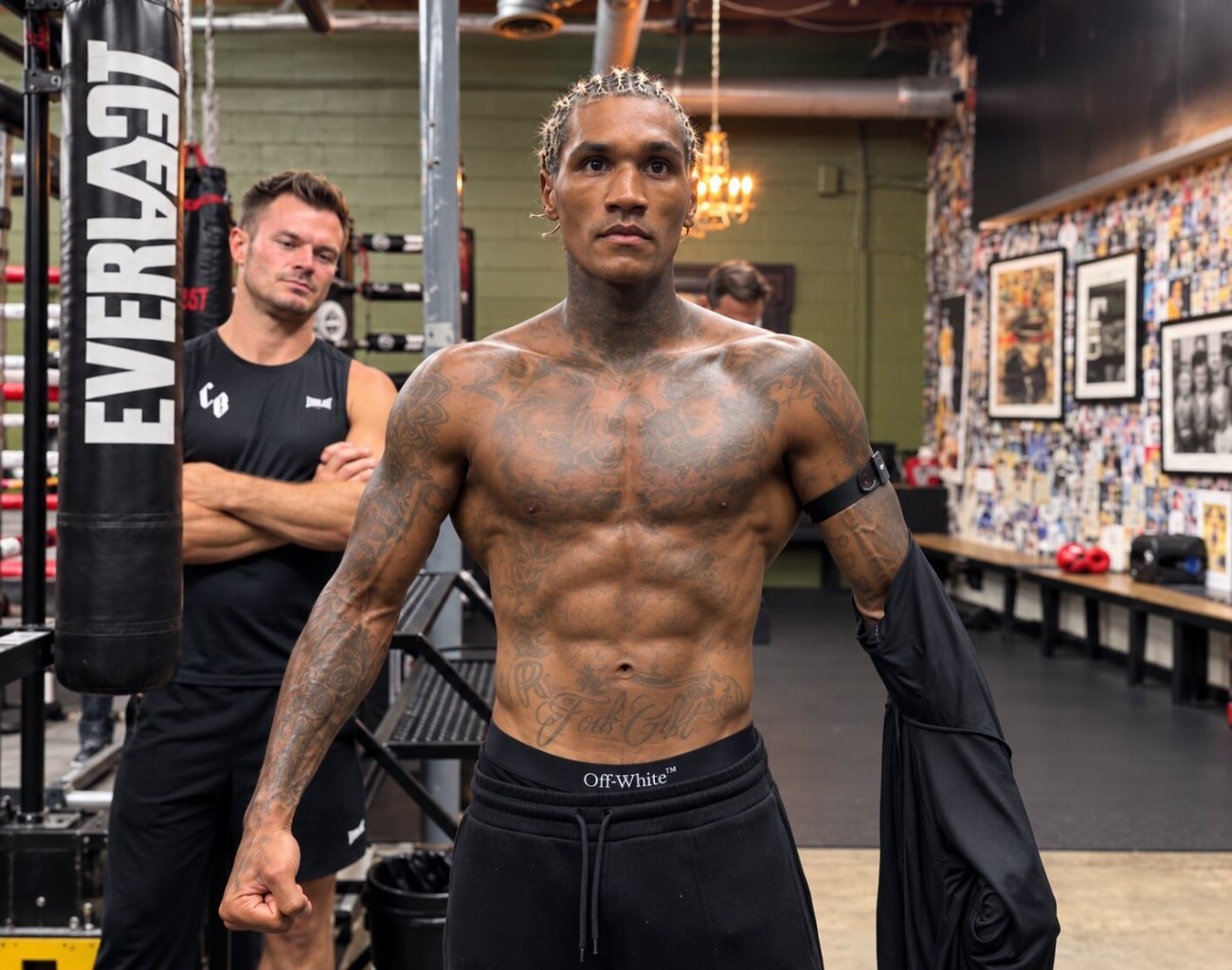
Benn’s aggressive habits make this cut even more risky. He relies on power shots, physical crowding, and eating punches to get close. Ryan conserves energy, waiting at mid-range for oncoming attacks. Adrenaline could carry Benn through early rounds, but as his legs stiffen and his footwork turns mechanical, Benn charging on straight paths gives Ryan the exact entry needed to land his signature check left hook.
Read the full article here