






A key factor in the fight was Schmeling’s preparation. Before the fight, Schmeling spent considerable time studying film of Louis. He later said he had noticed Louis often dropped his left hand after throwing a jab.
Schmeling noted that Louis had a habit of dropping his left hand after throwing his jab, leaving him vulnerable to right-hand counters.
Confident he had found an answer to the unbeaten contender, Schmeling repeatedly stated that he knew how to beat Louis. Louis, however, entered the fight as a heavy favorite.
The plan became evident from the opening bell.
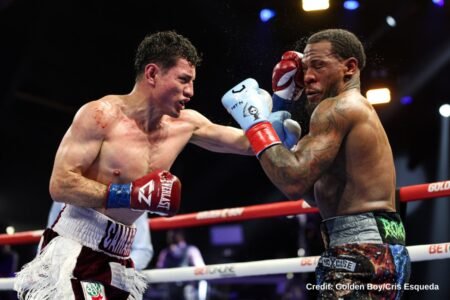
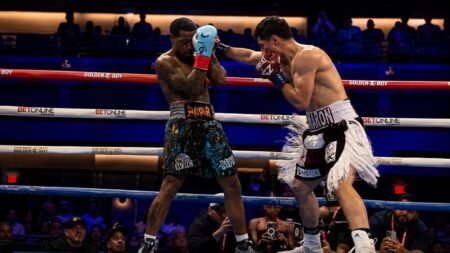
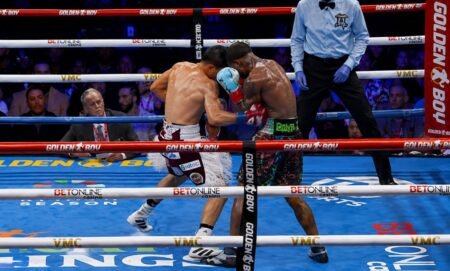
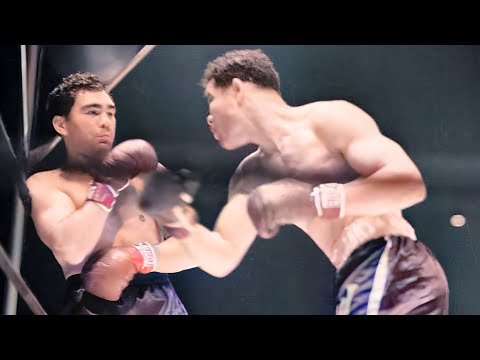
Using his jab to control distance, Schmeling repeatedly landed right hands over Louis’s lowered left during the early rounds. Louis had success in spots, but Schmeling continued finding openings with the same counter right hand.
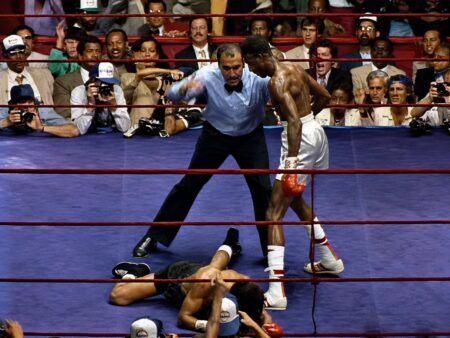
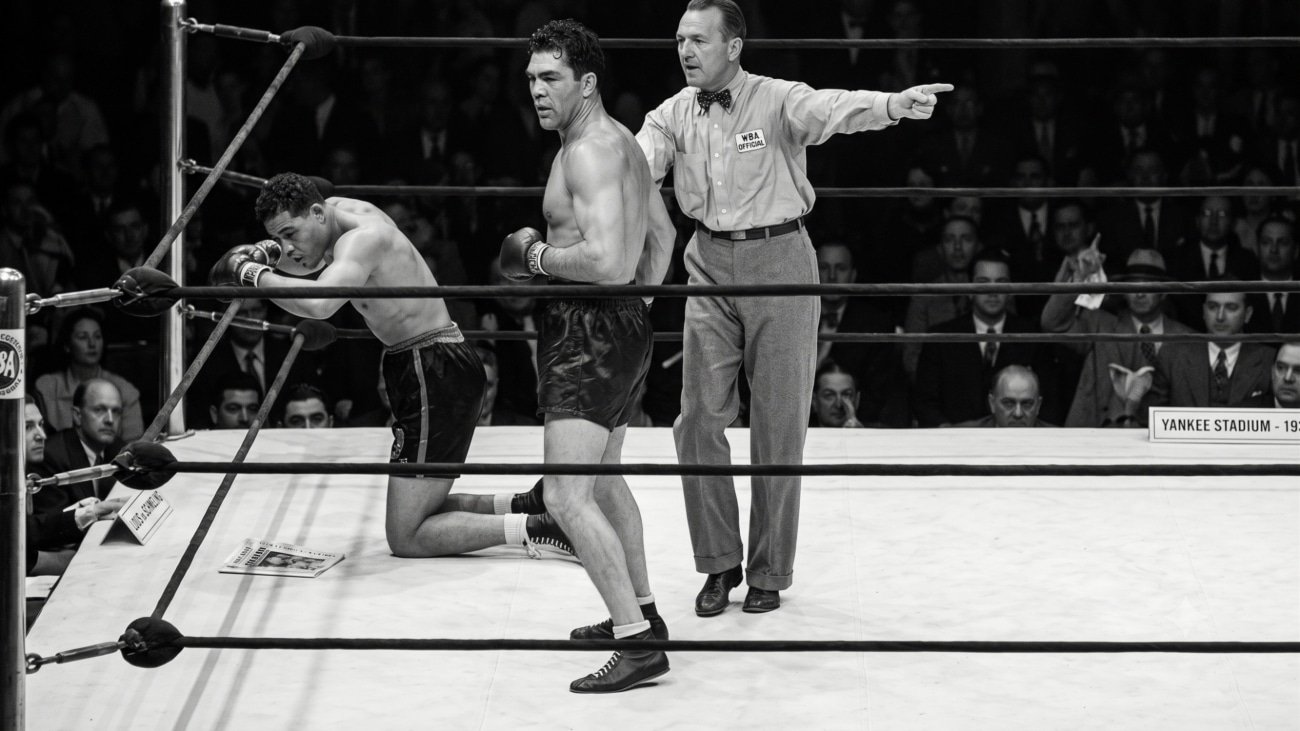
The turning point of the bout came in the fourth round when Schmeling landed a right hand to the jaw of Louis, sending him down for the first time in his professional career. Although Louis rose and continued fighting, Schmeling continued finding success with his right hand as the fight progressed.
Schmeling remained disciplined through the middle rounds, building a lead while continuing to land right-hand counters. In round 12, he landed a right to the body followed by another right to the jaw that sent Louis down near his corner. Referee Arthur Donovan counted Louis out at 2:29 of the round.
The result handed Louis the first defeat of his professional career. The fight also carried political significance during the years leading up to World War II, with Nazi Germany later using Schmeling’s victory for propaganda purposes.
Louis rebounded from the loss by winning the heavyweight championship in 1937. He later avenged the defeat on June 22, 1938, stopping Schmeling in the first round of their rematch at Yankee Stadium.

Read the full article here