



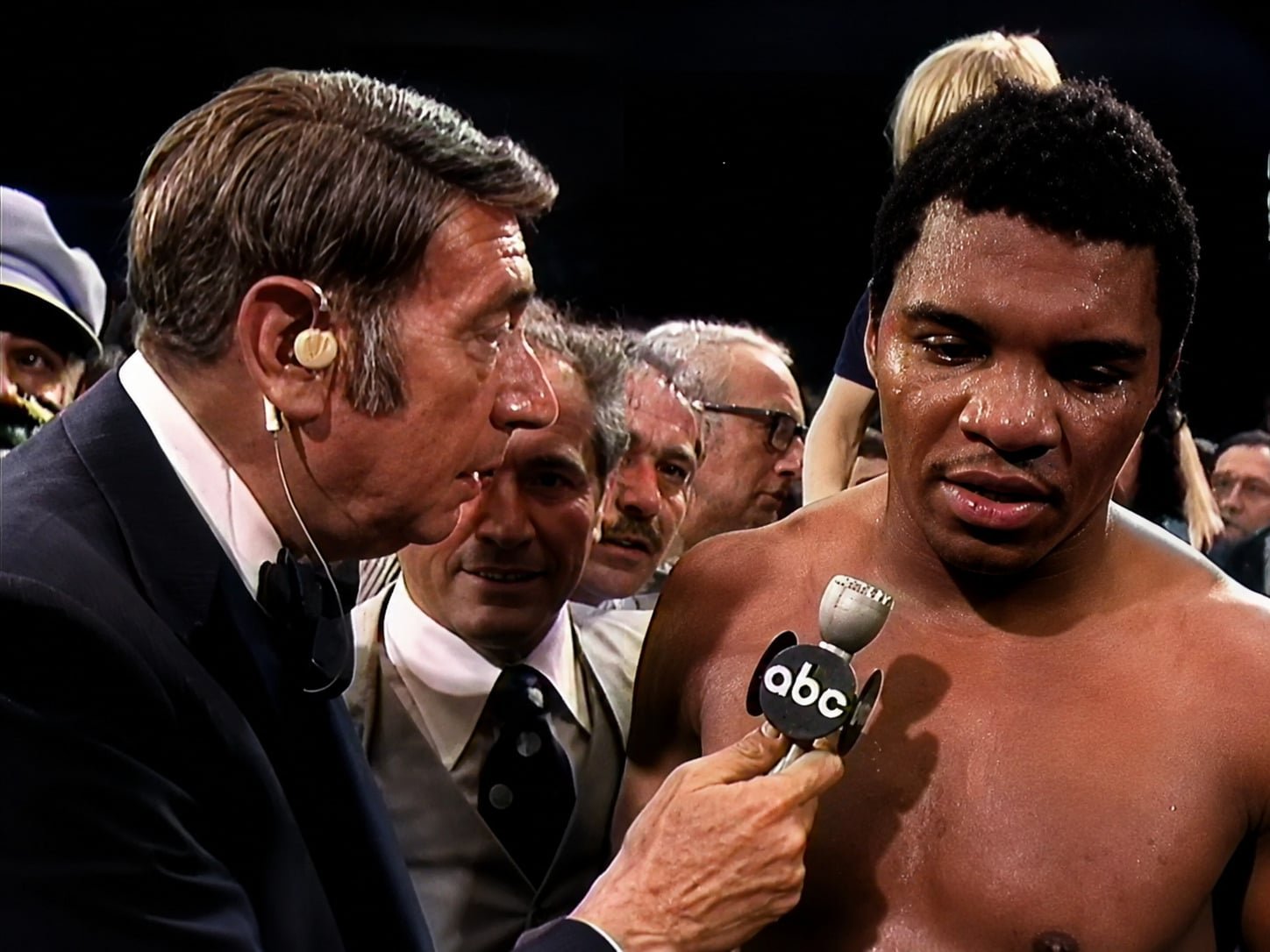


I remember seeing Young spar with “Smokin’” Joe Frazier at Frazier’s North Broad Street Gym in Philadelphia. Even in the gym, Young’s talent was obvious. He more than held his own against the former heavyweight champion, displaying the slick defensive style and sharp counterpunching that would later make him one of the most difficult opponents in the division.
Young’s professional career began with promise before an early setback. He entered his October 1970 bout against Earnie Shavers with a 7-3 record but was stopped by one of boxing’s hardest punchers. Rather than allowing the defeat to define his career, Young steadily rebuilt.
In October 1973, Young traveled to England and fought Billy Aird to a draw before returning four months later to stop future British heavyweight champion Richard Dunn, who would later challenge Muhammad Ali for the world title.
Three victories later, Young headed to Venezuela and defeated Jose Luis Garcia, who entered the bout with a 28-5-1 record. His breakthrough came later that year when he met Shavers in a rematch. This time, Young boxed brilliantly to earn a split draw against the feared knockout artist, proving he belonged among the heavyweight division’s elite.
His next fight brought another major victory as he outboxed top contender Ron Lyle in Honolulu, handing Lyle just the second defeat of his career.
Three more wins earned Young the biggest opportunity of his career. In April 1976, he challenged Muhammad Ali for the unified heavyweight championship in Landover, Maryland. Ali retained the title by unanimous decision, but many ringside observers believed Young had done enough to win. Nearly five decades later, the decision remains one of the most controversial of Ali’s championship reign.
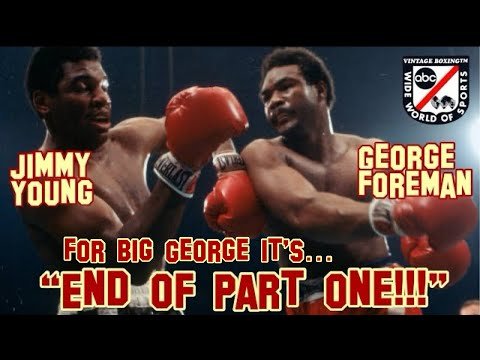
Young rebounded with three more victories, including another win over Lyle, before facing former heavyweight champion George Foreman on March 17, 1977, in San Juan, Puerto Rico.
Foreman entered the fight as the No. 1-ranked heavyweight contender and was expected to earn a lucrative rematch with Ali if he defeated Young. Instead, Young produced one of the finest performances of his career.
Fighting in oppressive heat and humidity, Young frustrated Foreman with constant movement, sharp counterpunching, and timely clinching. Foreman had his best success in the seventh round, badly hurting Young with a left hook, but Young survived the assault, recovered, and gradually took control as Foreman tired.
By the championship rounds, Foreman was exhausted. In the 12th and final round, Young landed a perfectly timed overhand right that knocked Foreman to the canvas for only the third time in his professional career. Young went on to win a unanimous decision in what The Ring magazine later named its 1977 Fight of the Year.
The bout also changed the course of Foreman’s life. After the fight, he became seriously ill in the dressing room and later described experiencing a profound spiritual awakening that led him to retire from boxing a few months later. Foreman became an ordained minister before returning to the ring a decade later and eventually reclaiming the heavyweight championship at age 45.
Young’s final chance to earn another title shot came two fights later when he met Ken Norton in a heavyweight title eliminator. Norton escaped with a narrow split decision, denying Young another opportunity to fight for the heavyweight crown.
Although Young continued boxing into 1990, his career gradually declined. He retired with a record of 35-18-3, a mark that hardly reflected the quality of opposition he faced. During one of the strongest eras in heavyweight history, he defeated Ron Lyle twice and George Foreman while also giving Muhammad Ali, Ken Norton, and Earnie Shavers some of the toughest fights of their careers.
Sadly, Young’s greatest struggles came after boxing. He battled drug and alcohol addiction and spent time in rehabilitation. While working security at Valley Forge Hospital near Norristown, Pennsylvania, I saw him there during one of those difficult periods. It was a sobering reminder of how quickly life can change for even the finest athletes.
Jimmy Young died on February 20, 2005, at the age of 56 after suffering a heart attack. He never became heavyweight champion, but many boxing historians regard him as one of the greatest heavyweight contenders never to win a world title. His performances against Ali, Foreman, Lyle, Norton, and Shavers remain lasting evidence of just how talented he truly was.

Read the full article here