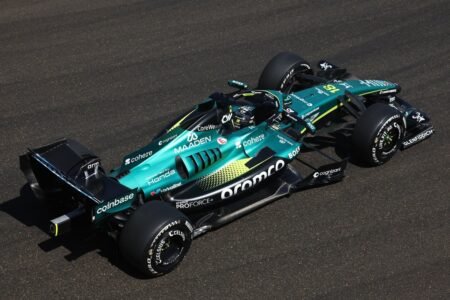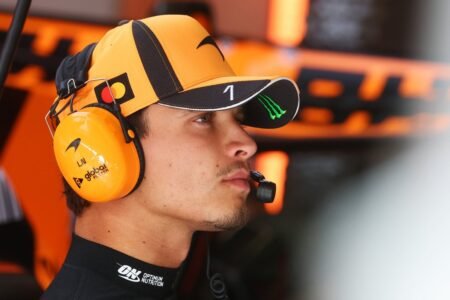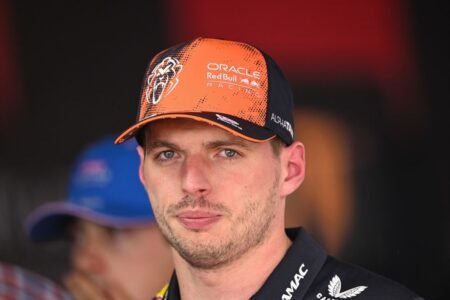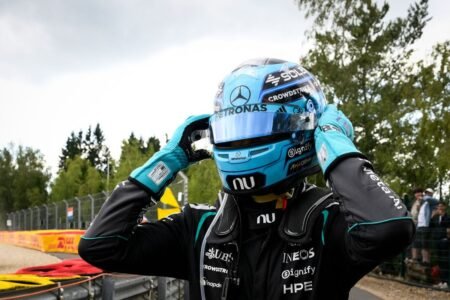





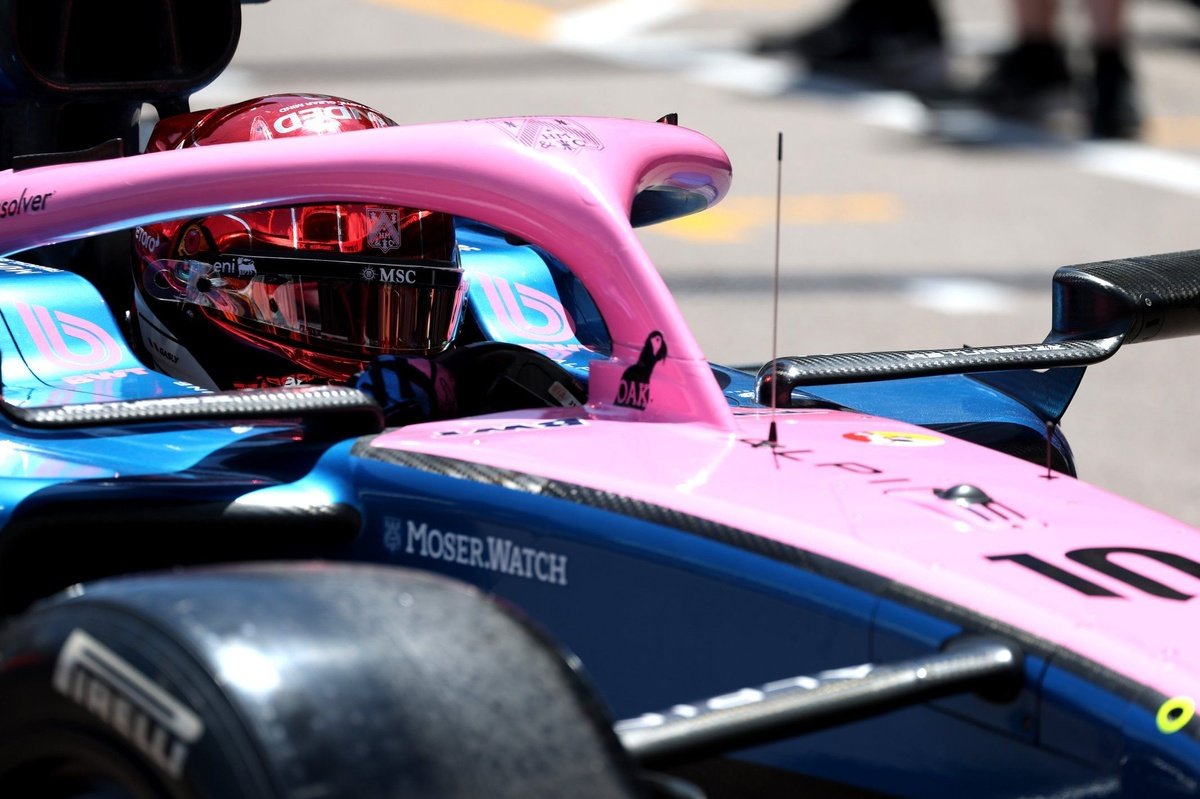
After stating last their intentions to appeal against the stewards’ decision to restore Pierre Gasly’s Monaco Grand Prix podium by cancelling the two penalties initially imposed, McLaren, Mercedes and Red Bull have formally lodged the appeal to begin the latest right of review process. This means the Gasly case will have a new chapter, with potential developments that could open up new scenarios.
The stewards’ decision to give the podium back to the Frenchman was not welcomed positively by rivals who lost points as a result, while the outcome could have serious implications for the future.
The facts are now well known: Formula One Management (FOM), responsible for the official timing system also used to measure speed in the pitlane, made an error in measuring the distance between two sensors.
After Alpine showed through data recorded directly from the car that the French driver never exceeded 60 km/h, the stewards decided to scratch out the penalties because of the error made by the FOM, setting aside the analysis presented by the Enstone team. The risk, however, is that this could open a Pandora’s box, with implications going far beyond Gasly’s case.
“Suspended” penalties could change the way of racing
Alpine was the only team able to appeal the stewards’ decision from the numerous pitlane speeding penalties, having submitted a request for review unlike the other teams involved. The other teams trusted the instrumental readings and served their penalties – or at least acknowledged it was meant to, in Mercedes’ case – at the next pitstop, as required by the regulations.
Here the first key issue emerges. Alpine believed Gasly had done nothing wrong and in its data, so submitted a request for review to assert what it considered a measurement error. And to be clear, they were right to do so as it was in their interest. However, it is difficult to ignore how this situation creates unequal treatment compared to those who instead served the penalty by trusting the official readings and who, at that point, could no longer file an appeal.
Pierre Gasly, Alpine
Photo by: Sam Bagnall / Sutton Images via Getty Images
Not serving it during the pitstop would have resulted in an additional penalty being assigned, as happened to Russell. Moreover, it can be said that Alpine took a gamble by deciding not to stop, not to mention that the second penalty did not come during green-flag running, but at the moment when there was the safety car.
This could see teams change the way they go racing. It is difficult to assign responsibility to McLaren for the choice made during the race, because it could not have foreseen that Alpine would file an appeal after the race to overturn a decision that had never been overturned historically, while the FIA had not reported any anomaly in the pitlane speed system, just that drivers should not to cut the pitlane entry excessively.
The concept of changing how teams go racing was also expressed by Red Bull team boss Laurent Mekies, speaking to Sky Sports F1: “I think we are a bit confused, not so much because you lose the podium or you win the podium. We are a bit confused because we are talking about non-appealable penalties and you are racing around cars that are receiving non-appealable penalties and you adapt your racing also to that.”
Just like with car weighing, where reliance is placed on the calibration of the FIA scales even when it differs from that of the teams, the teams rely on the official pitlane speed measurements. Once the data is received in practice, the parameters are adjusted accordingly, shaping entries and safety margins on the basis of the readings provided by the system.
“Regardless of if you agree with the measurement or not, that’s what you’ve got to abide by, right? The FIA scale. No point arguing that, oh, your scale is, let’s say, one kilo lighter than our scale, so our car is legal in our scale. All that matters is our car has to be legal in the FIA scale.
“It’s the same with pitlane speed limiter. Regardless of how they measure it, they always give us the data. So then every team tunes your number or margin based on that. So even if you think you have a good margin. The way you drive into the pitlane entry [matters], some circuits are a lot more sensitive than some other circuits.”

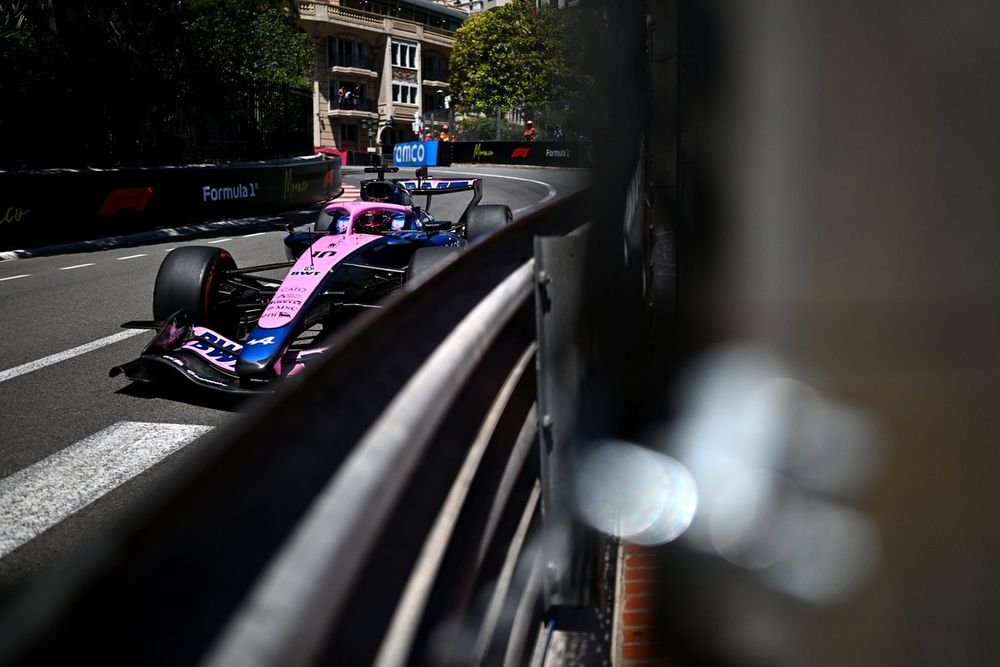
Pierre Gasly, Alpine
Photo by: Guido De Bortoli / LAT Images via Getty Images
“Throughout the Monaco Grand Prix weekend, and at every event, all teams operated in compliance with the regulations and standard practices established regarding the pitlane speed limit as applied at that time. Competitors adjusted their procedures accordingly and, where required, accepted and served the penalties imposed under those regulations,” McLaren’s statement read.
Some teams had already pointed out at the first hearing of Gasly’s case that the error had remained unchanged for the entire weekend, from practice to the race. Consequently, the teams readjusted by following the FIA’s data, which had found no anomaly and had attributed the infringements recorded on Friday and Saturday to an excessive cutting of the white line on pitlane entry.
Is there a right solution?
The regulations do not provide any mechanism to cancel penalties already served, even more so if no appeal has been submitted. This is why the appeal submitted by McLaren is linked not to giving back the five seconds lost by Oscar Piastri, but to revoking the stewards’ decision to cancel Gasly’s two penalties. “We believe that this case raises important questions regarding sporting fairness, regulatory consistency and the integrity of the competition,” the Woking team’s statement read.
Mercedes had also considered an appeal to try to protect Russell, the driver left most burned by this affair given the points lost, but it is a complex scenario. It is true that the second penalty is in some way directly linked to the first, but it is equally true that the second sanction arose from an error by Mercedes and Russell. Even if there were a mechanism to remove seconds from race time, which is not in the regulations, the other teams could object that ‘waiving’ a penalty when it all stems from a team’s own error would not be fair.
The problem is that there is no right solution and this regulatory labyrinth seems to have no way out that could satisfy everyone.
Alpine followed the correct procedure and bears no responsibility for the errors made by the FOM, but the problem is applying this only in the presence of an appeal, which could open a Pandora’s box in the future.
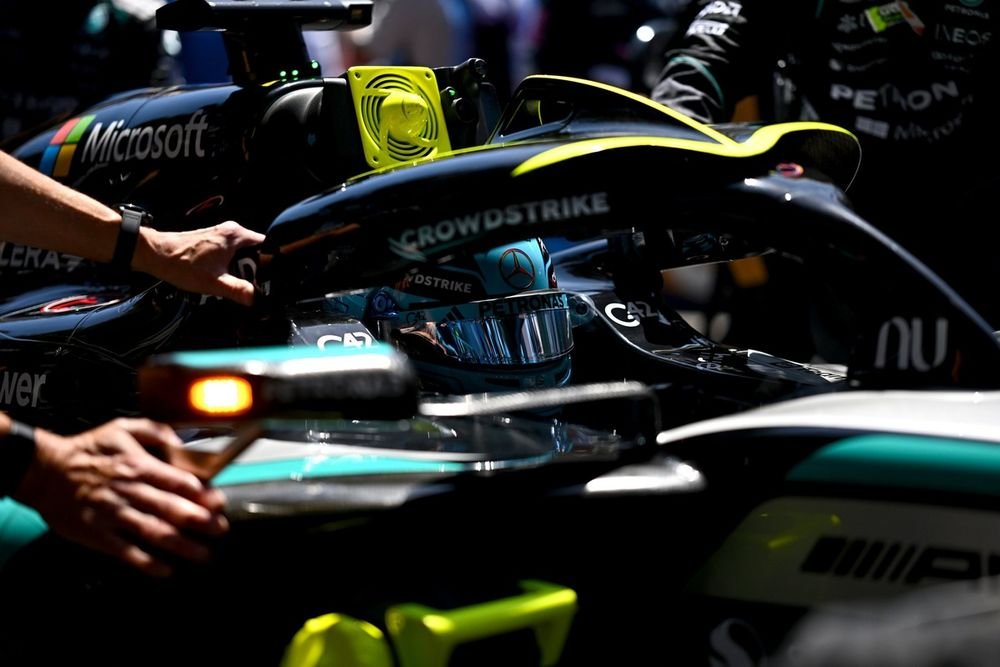
George Russell, Mercedes
Photo by: Guido De Bortoli / LAT Images via Getty Images
Alpine did absolutely right to appeal (and win), but is it right that only their appeal is examined when others could not do so because they had already served the penalty having trusted the official data? Is it right to deprive Gasly of the podium? It is a matter of establishing what sporting fairness actually means, whether the regulations provide fairness, so that there is a clear legal framework. The stewards are not part of the FIA, but operate on the basis of regulations that should be fair for everyone.
In recent years the FIA has made filing an appeal more burdensome and complex, also economically, to avoid an escalation of disputes. A situation like this, however, risks producing the opposite effect, opening the door to uncertain race results for longer and the possibility of more appeals being filed even longer after the event ends.
We want to hear from you!
Let us know what you would like to see from us in the future.
Take our survey
– The Autosport.com Team
Read the full article here