




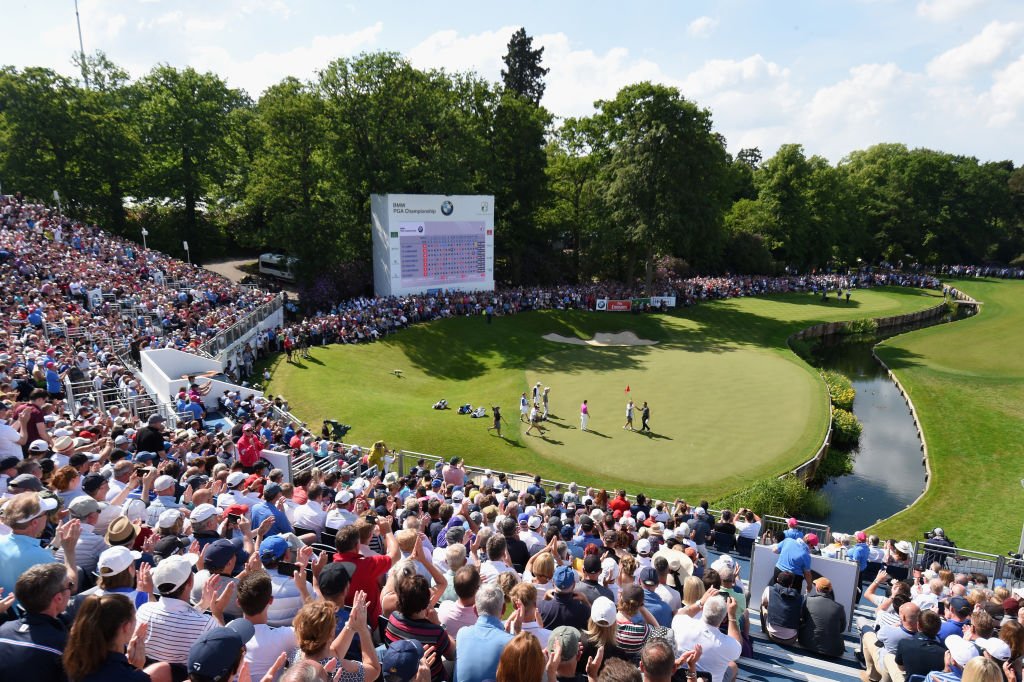
While the TV broadcast is still far away, life on the Pro Tour is already in full swing. Technical staff are setting up tents, checking radios, setting up signs and fencing. At this point, the course looks more like a construction site: carts, cables, trucks loaded with equipment, people in vests with various logos, among which are increasingly tournament partner brands, shouldering some of the costs and organizational burden.
At this time, players take to the practice court with virtually no spectators. One professional admitted that he considers these early hours the most honest: “No one is rushing you, no one is expecting a perfect shot. There’s just you, the grass, and the understanding of how much work lies ahead.” Small decisions are made here, such as changing clubs, adjusting your stance, or adjusting your swing tempo, which will later look like “miracles of form.” Live streaming, and the support of partners like BassWin allows us to make these hours as comfortable as possible in terms of equipment, balls, and practice facilities.
Lock Room Conversations
A Pro Tour locker room rarely resembles a movie hall of fame. It’s an office, a break room, and a small medical center all in one. Someone is setting up a player, someone is arguing with a player’s assistant about the club choice on the fourth hole, someone is stretching their back on a mat. The hum of hair dryers, the smell of wax, and hushed voices create a particularly tense calm.
One of the player’s team members said he could tell who would be battling for the lead by the tone of conversations in the locker room: “When players start discussing not their past but the contours of the fairway and the wind direction, they’re already in the tournament. If the conversation revolves around commercials and interviews, it’s going to be a tough day.” The TV cameras only see the confident walk to the starting line, but they don’t see the doubts that linger behind closed doors.
The Work of Coaches and Analysts
Behind every shot on the screen are countless invisible adjustments. Coaches and analysts spend more time in the shadows than the players themselves. Laptops on the tables, printed statistics, videos from previous rounds—all this turns the tournament into a kind of mobile laboratory. Experts compare data on club speed, ball trajectory, and shooting percentages from various distances.
One coach shared that every tournament evening they have a short debriefing, best described as a “discussion without masks”: “We watch a few key shots and honestly discuss where nerves and technique played a role. A win the day before doesn’t protect against criticism, and a loss doesn’t negate progress.” These discussions never make it to the air, but they are the ones that change strategy the very next day.
The Silence of the Practice Grind
After the round, it’s all over for the spectators. But some players don’t head back to the hotel, but back to the practice green. Here, away from the cameras, they spend hours practicing the same elements: short putts, bunker shots, and exits from difficult grass. The floodlights are already off, leaving only the clubhouse lights and the occasional voices of the coaches.
One professional golfer admitted that his most important shots were made on such evenings: “When you miss the same distance for the tenth time in a row and there’s only darkness around you, it becomes clear how much you’re willing to endure. The next day, spectators see a ‘confident putt,’ but for me, it’s simply the result of that long night.” The price the body pays remains behind the scenes: chafed palms, tired knees, ice packs on the shoulders.
Physical Therapy and Recovery
The Pro Tour is not only about skill, but also about constantly fighting micro-injuries. After the game, many head to the physiotherapists rather than to a restaurant. Several specialists can work in a single room at once: someone warms up muscles, someone works on a problematic back, someone applies tape to a wrist. On the tables are bottles of water, protein bars, and containers of ice.
One of the most respected coaches on the tour said that true professionalism begins here, not on the front pages: “Young guys often underestimate recovery. They think the main thing is to hit harder. After a couple of seasons, they realize that without proper body care, you simply won’t survive until Sunday.” The TV broadcast shows a beautiful swing, but it doesn’t show the hour of work it takes to keep that swing from breaking your shoulder.
The Life of Staff and Volunteers
Dozens of people work behind the scenes at the Pro Tour, whose names fans will never know. Marshals ensure peace and order on the holes, volunteers collect balls on the practice ranges, and coordinators transport players and equipment between the course and the hotel. Their day starts earlier than everyone else and ends later than everyone else.
One volunteer said that for her, the most memorable moments are not the autographs, but the short human interactions. For example, one top player, after accidentally splashing volunteers with water from a puddle, apologized and later brought coffee to everyone on duty at the hole. Television viewers only saw his winning shot, but for her, it was this simple gesture of attention that was etched in their memory. Such episodes shape the atmosphere of a tournament far more powerfully than the official ceremonies.
An Evening at the Hotel
After a busy day, many imagine lavish parties, but the reality is much more sedate. Most players prefer dinner with their team and an early bedtime. Some watch replays of the round on a tablet, others fill out a training log, and still others call their families. Fatigue from flights and jet lag makes long get-togethers a rarity.
A mid-ranked player noted that it is the evenings at the hotel that particularly clearly demonstrate how solitary this sport can be. During the day, you’re surrounded by spectators, journalists, and colleagues, while in the evening you’re alone with yourself and your results. If you don’t learn to accept and endure this silence, the path to great success can end long before it’s achieved. This hidden psychological burden rarely becomes a topic of public discussion, although it accompanies the tournament from the first to the last day.
Little rituals before a new round
Every player has their own rituals that help them get ready for the next day. Some always clean their clubs themselves, others replay only their successful shots in their head before bed, and still others write a short note about what they can praise themselves for in the past round. These habits may not seem impressive, but they create a sense of control in a world where too much depends on wind, form, and chance.
One young Tour player said that before teeing off, he always writes down just three simple goals for the day in a notebook: don’t obsess over the result, trust your swing, and control your breathing on the green. He noted that without these reminders, his attention quickly wanders to thoughts of rankings, prize money, and the expectations of others. Cameras capture his calm face on the tee, but the small note tucked in his pocket goes unnoticed.
Why These Details Are More Important Than Airtime
What happens behind the scenes at the Pro Tour is rarely caught on camera, but it’s there that the true character of players and tournaments is formed. Without the early rises, quiet practice evenings, and the work of doctors and volunteers, beautiful rounds simply wouldn’t exist. The Pro Tour is built not only on talent, but also on hundreds of small efforts that viewers never see.
Understanding this hidden side changes the way you look at any tournament. Victory ceases to be just a line on the scoresheet and becomes the culmination of a great deal of teamwork—from those setting targets on the practice field to those who line up for the start line under the cameras. And when the TV goes dark, this work doesn’t end: behind the thin line of the broadcast, life continues, deciding what viewers will see tomorrow.
Read the full article here