




Every rider knows the feeling. It’s time for the session circled on the training plan that makes your stomach tighten just a little. The one you don’t skip – but might quietly hope will get rained off. It’s not the longest ride or the most challenging route, but it is the hardest one. Usually the one that strips everything back to effort, discipline, and the ability to sit with discomfort.
Many riders approach their hardest sessions with trepidation, but it’s here that the biggest gains are made. “These are the sessions that expose your limits, then ask you to push beyond them,” explains coach Matt Bottrill. “Threshold blocks that burn through your legs and lungs.
VO2max efforts that leave you gasping over the bars.” Or else, it’s repeats that seem manageable on paper but quickly become a battle of will as much as fitness. They are, in every sense, uncomfortable. And yet, these hard rides are where the real gains are made, building strength, resilience, confidence and even teaching you how to suffer – and, more importantly, how to keep going when it counts.


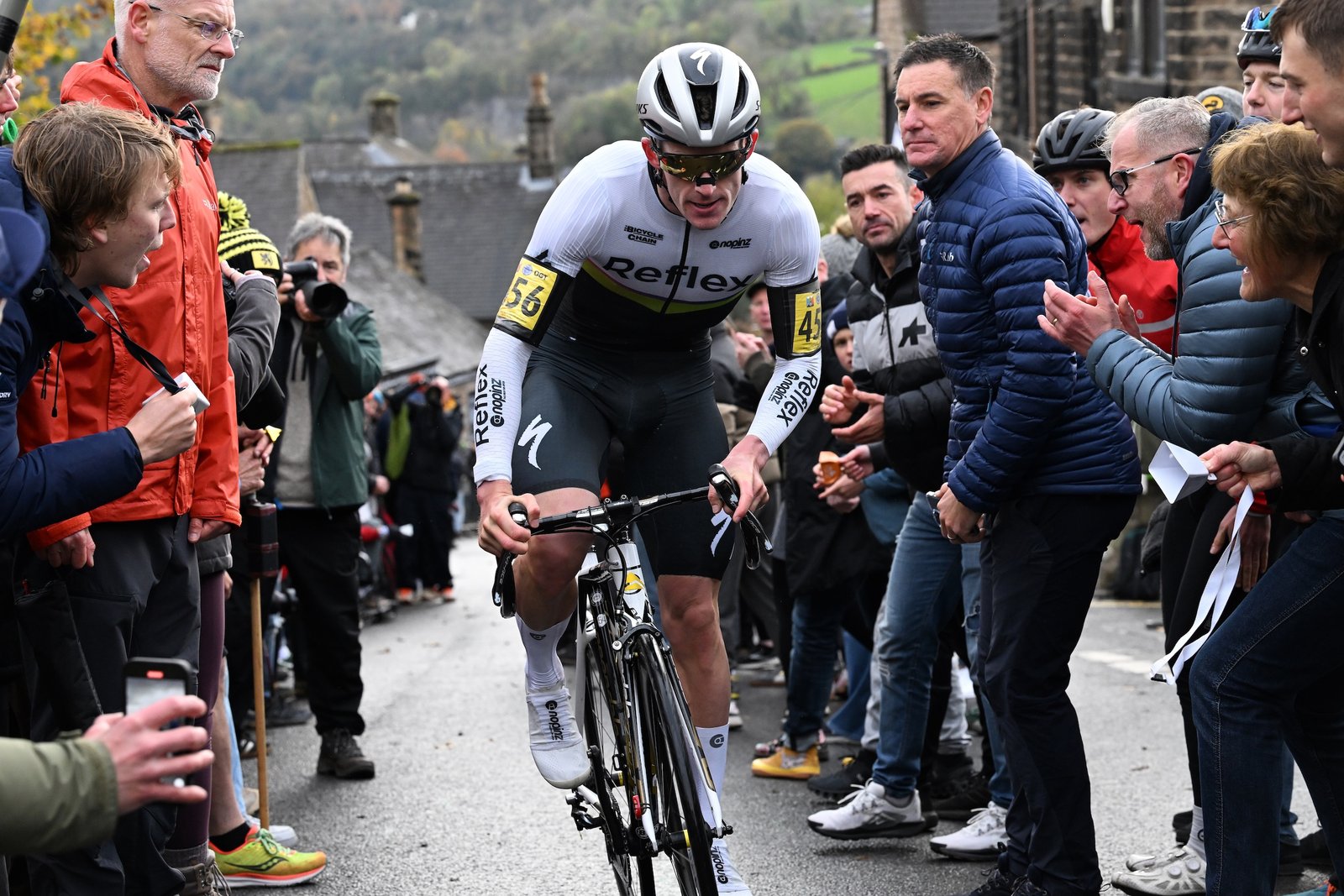

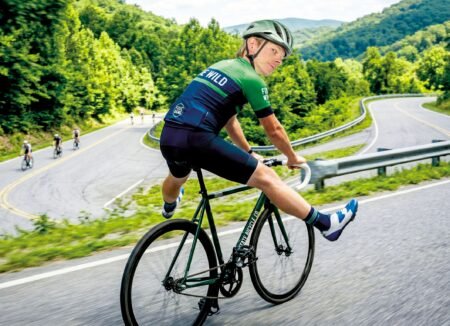
Ben Millar is used to short, sharp sessions in preparation for hill-climb races
(Image credit: Andy Jones)
BEN MILLAR – NOPINZ RACE TEAM
‘Two minutes at 700 watts: nowhere to hide’
For many, hill-climbs compress competitive cycling into its purest form: fractions of seconds, no tactics, nowhere to hide. Hill specialist Ben Millar built his season around sustaining 700 watts on Matlock’s Bank Road. This brutally specific session, repeated sparingly but precisely, has, Millar concedes, taught him controlled aggression, composure under pressure and how to suffer efficiently. It also helped power him to sixth place at the Nationals.
“Last season my entire preparation centred around one demand: holding 700 watts for two minutes – the approximate duration of the brutal climb at the National Hill-Climb Championships on Bank Road,” explains Millar. “The week before Nationals I managed exactly that during a winning ride at the Walcot Hill-Climb. The session below was the key workout that made it possible. I always do it outdoors – ideally on steep Mendip ramps or Cheddar Gorge – because hill-climbs are about more than power numbers. Position, gradient changes and the psychological load all matter.”
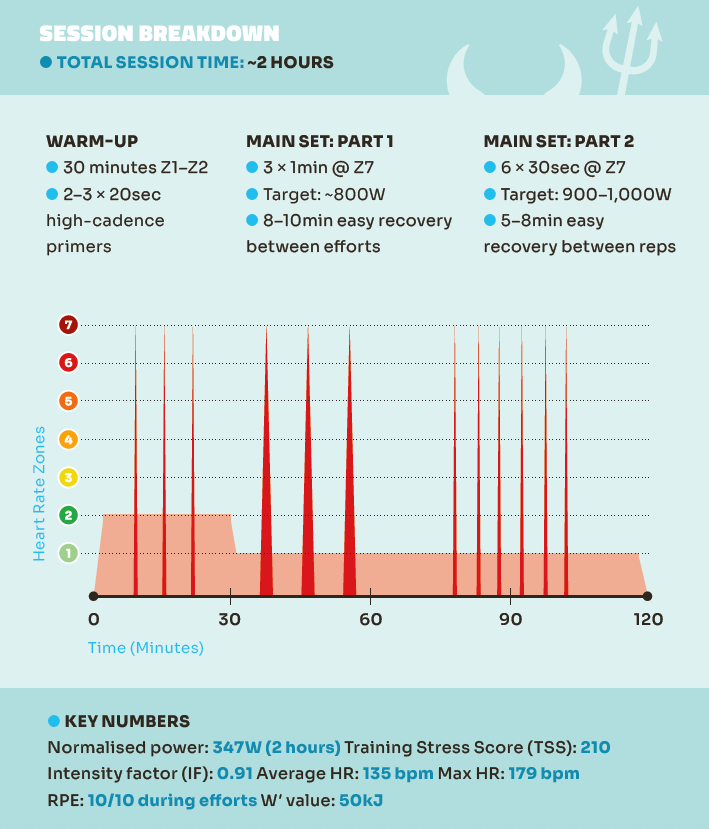
“This session is all about repeatability at race intensity. The one-minute efforts simulate the sustained agony of a hill-climb,” says Millar. “Then the 30-second reps force you to keep producing power when you’re already flooded with lactate.” The physical pain is predictable – the real difficulty is staying calm. “I focus on committing to the effort I’m currently in, not the ones still to come. If you start thinking ahead, you’re finished.”
Coach’s notes
Millar uses the AI coaching app Vekta for his post-session analysis. “It lets me dive beyond headline numbers to see how effort is executed, tracking W′ (anaerobic work capacity) use and recovery to assess pacing, repeatability, and session effectiveness – essential for high-intensity hill climbs.”
According to Joe Staunton, cycling coach with Ceyreste Performance, this workout is deliberately designed to build repeatability at race intensity with three one-minute efforts around 800W followed by six 30-second bursts at 900-1,000W. “What surprises most people is how little time top hill-climbers actually spend at this intensity. Ben completed fewer than five sessions of this type during his entire hill-climb prep. His W′ reached 50kJ – roughly double that of many well-trained riders – showing strong natural explosiveness.”

(Image credit: Future)
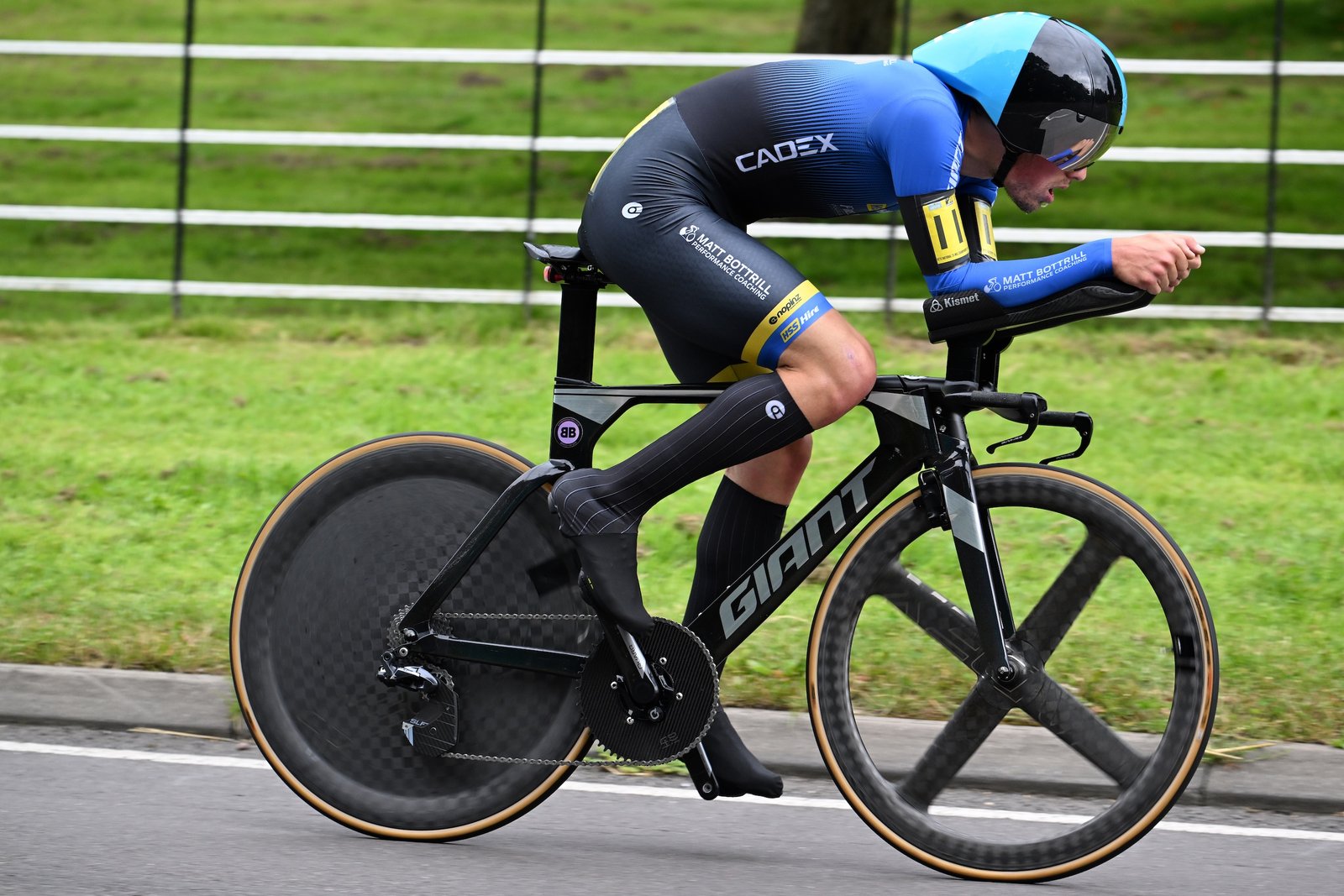
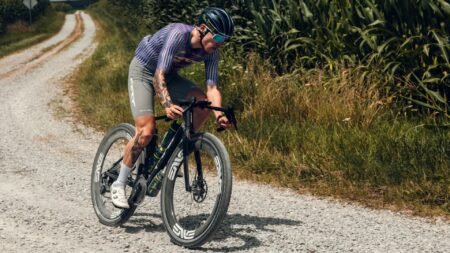
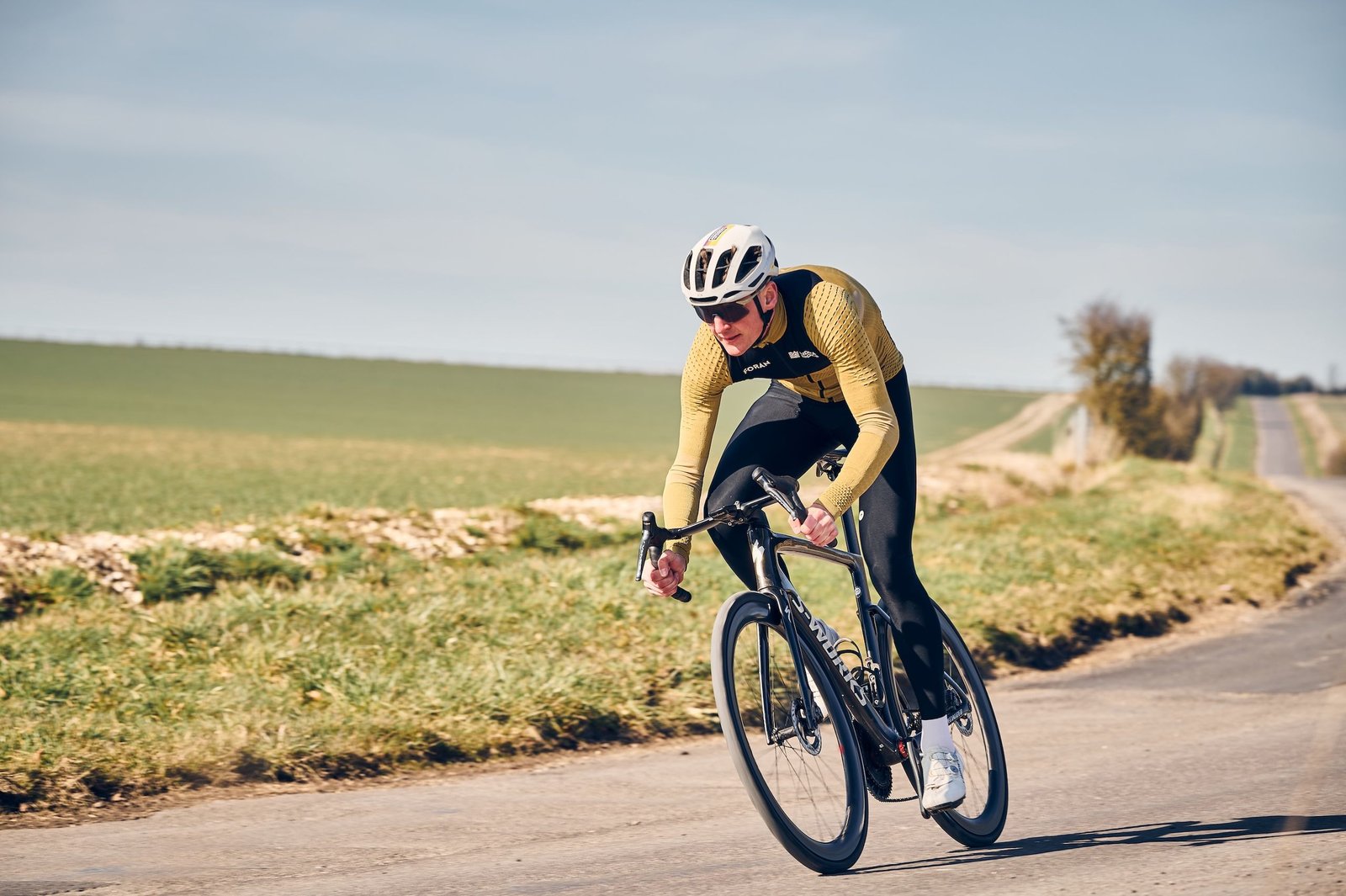
Jake Sargent’s training has a TT focus
(Image credit: Andy Jones)
JAKE SARGENT – TEAM BOTTRILL NOPINZ
‘The last interval tells the truth’
For TT specialist and five-time national champion Jake Sargent, the hardest ride isn’t epic in distance – it’s precise, repeatable and brutally honest. “I do 90% of my training on my commute, on my way to my job as a bike mechanic at Bomber Bikeworks in Bristol, so making the most of my time is key. My hardest session is one I do multiple times,” he says. “It’s designed around the type of racing that I mainly do: 10 and 25-mile TTs. A high FTP is crucial, and the ability to finish the race strong is key.”
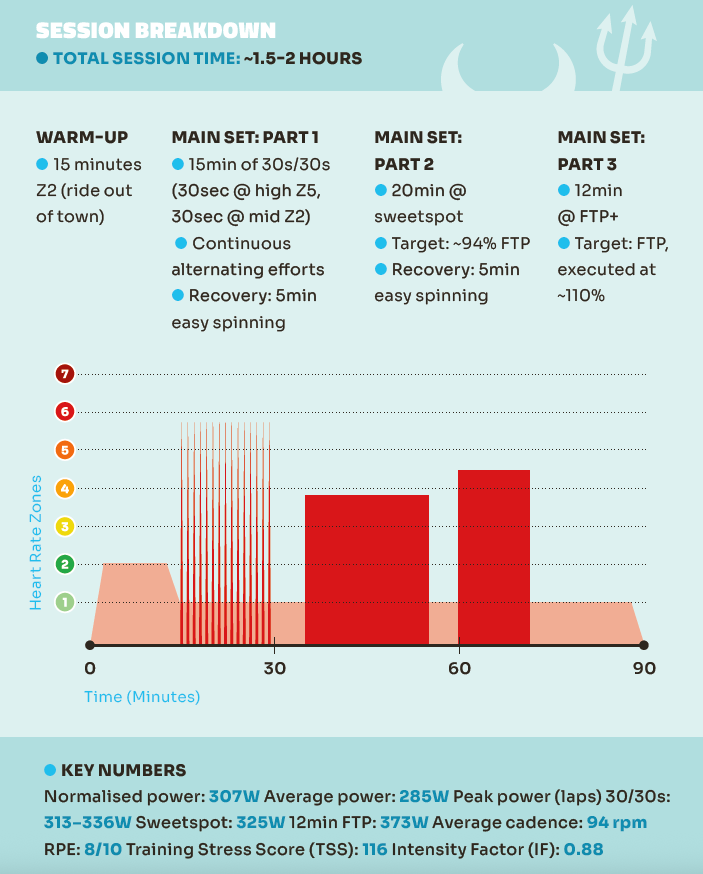
After a warm-up, the session hits hard: 30/30s at top Zone 5, 20 minutes at sweet spot, then a decisive 12-minute push at FTP – averaging 285W (307W normalised) with a cadence of 94rpm, yielding an all-time power PB. Sargent says the key difficulty is psychological. Riders naturally want to hold something back for the finale – exactly what he tries to avoid. “Subconsciously you want to save yourself for the last interval, but you’re only cheating yourself,” he says. “You’ve got to trust the training and commit.”
Coach’s notes
For Sargent’s coach, Matt Bottrill, this session works because it demands the rider accumulate fatigue first before executing the most important effort at the end. “That mirrors racing – especially short time trials – where the best riders don’t just produce power, they produce the right power at the right moment. Jake’s training is always built around the specific demands of his goal event. A 10-mile time trial requires a completely different approach to a 12-hour ride, so we focus heavily on pacing control and decision-making under fatigue as much as raw power.”

(Image credit: Future)
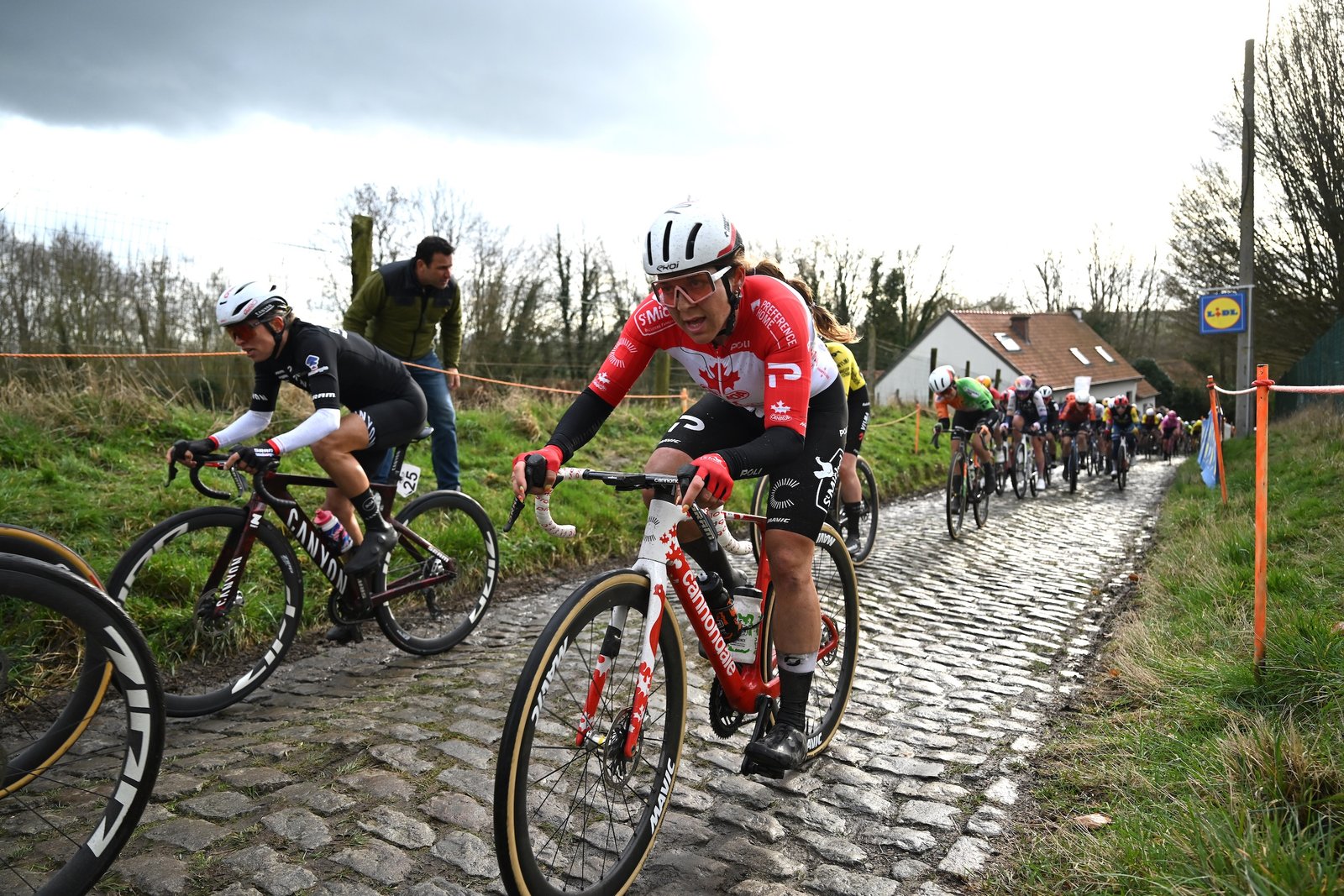
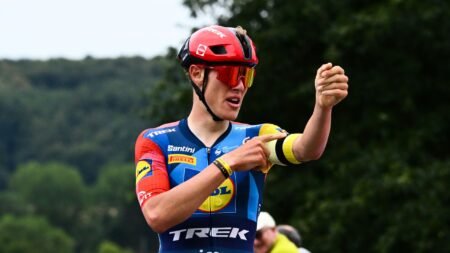
Alison Jackson puts the effects of her killer sessions to the test during the 21st Omloop Het Nieuwsblad 2026
(Image credit: Getty Images)
ALISON JACKSON – ST MICHEL-PREFERENCE HOME-AUBER93
‘The efforts just keep coming at you’
When Alison Jackson talks about her hardest training sessions, it’s not one mythical, epic ride that stands out, but a specific type of suffering: repeated high-intensity efforts with no real let-up. Last season, while recovering from a broken hand, much of that work happened indoors, where there’s nowhere to hide.
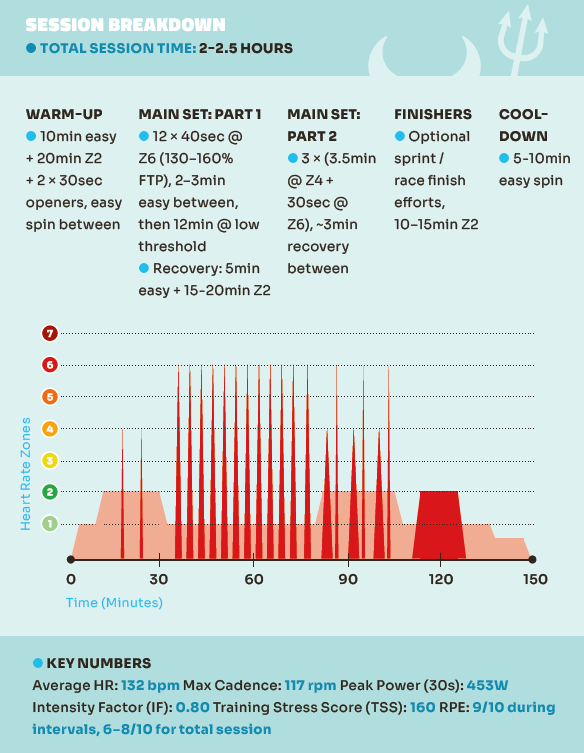
“One of the harder ones was trying to get back to race-pace efforts on the trainer,” Jackson says. “It was a lot of high-end work, and the efforts just keep coming at you. The session kicks off with a long warm-up, then 12 times 40-second Zone 6 efforts at high cadence, immediately followed by 12 minutes at low threshold – hard because there’s no reset between efforts.”
“What I love about on-off or over-under workouts is that the change of pace means a repeated change of focus,” Jackson adds. “Mentally it’s easier for me than one long sustained effort. You just lock yourself into the next job.” The numbers underline the stress. Jackson hit a maximum heart rate of 176bpm, produced a peak 30-second power of 453 watts, and accumulated around a Training Stress Score of 160, with much of the session spent in anaerobic capacity, threshold and endurance zones.
Coach’s notes
Adam Pulford, Jackson’s coach and a specialist with Carmichael Training Systems, says the session mirrors World Tour race demands. Anaerobic efforts, threshold blocks and repeated accelerations train the body for changing intensities. “The goal isn’t just high power, but recovering while still riding hard – recoveries are incomplete, so Alison can produce quality power again, just like in a race.”

(Image credit: Future)
Amateur riders’ hardest sessions

(Image credit: Grace Ward)
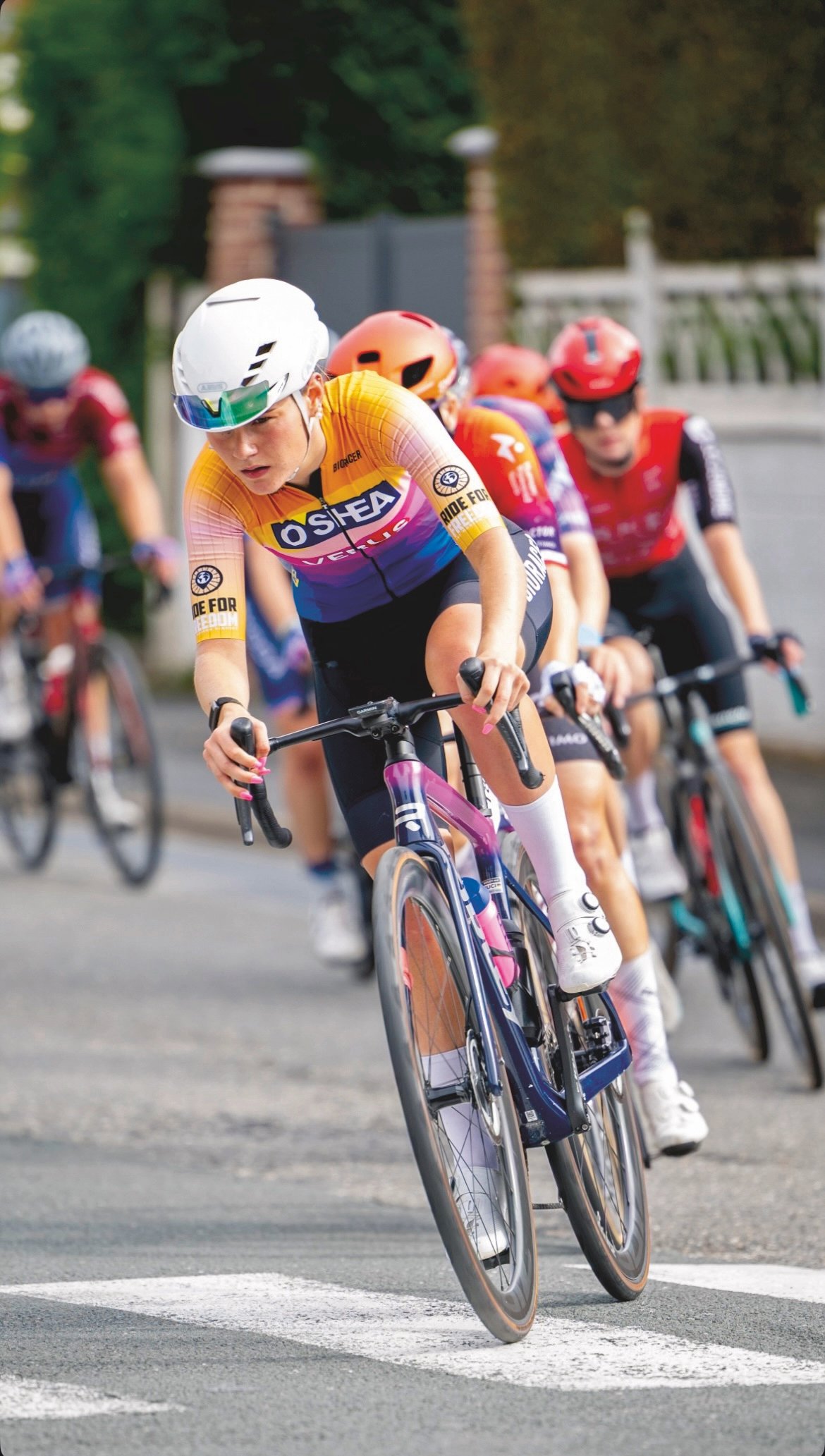
GRACE WARD, 18 – O’Shea RedChilli Bikes
“One of my hardest sessions is my ‘race mixer’ ride, which I know is going to be a tough three and a quarter to four hours, often done with a bit of fatigue in my legs. I love it because, as I step up to U23 racing, longer races demand these longer, hard sessions. It starts with a progressive warm-up and Zone 2, then a few tough one-minute glycolytic efforts.
After five minutes’ recovery, I hit race-style attacks: 15-second sprints, 4.45 at sweet spot, one-minute high MAP, and two-minute all-outs. I do this set three times, with five-minute recoveries. A 15-minute Zone 2 break follows, then 30 minutes at threshold before finishing with Zone 2 and sprints. I push a bit harder to replicate race conditions. It’s brutal, but I love pushing myself before the season kicks off.”

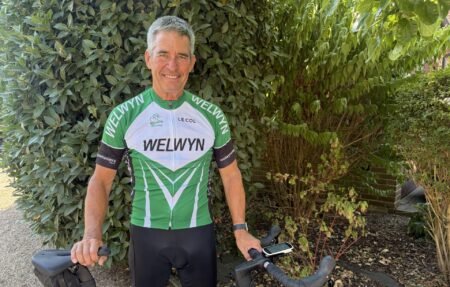
(Image credit: Michael Stanley)
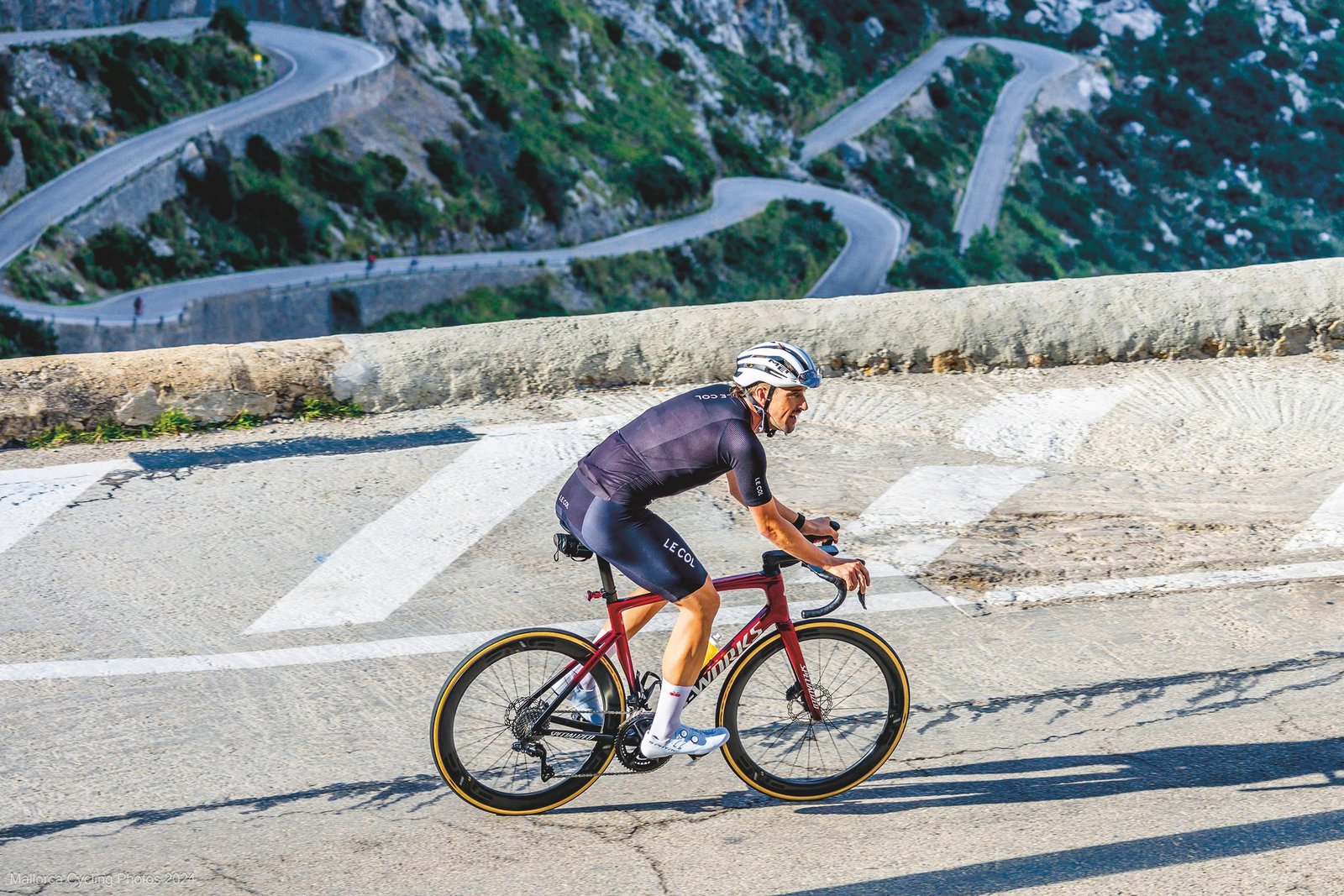
MICHAEL STANLEY 37 – Dulwich Paragon
“My hardest session is one my coach calls ‘race-winning attacks’: it simulates the moment you launch a decisive move in a race and try to make it stick. After a good warm-up, the first of three sets starts with a 30-second attack at 160-200% of FTP to replicate the explosive acceleration needed to get a gap. Straight after that comes 2.5 minutes at 110–120% of FTP, which is about sustaining the move while everyone else is already under pressure. Then you’re into six minutes, 40 seconds at threshold (90–100% FTP) where the goal is to measure your effort to your imaginary finish line.”
This feature was originally published in the 9 April 2026 print edition of Cycling Weekly magazine – available to buy on the newsstand every Thursday (UK only) while digital versions are available on Apple News and Readly. Subscriptions through Magazine’s Direct.
Read the full article here