




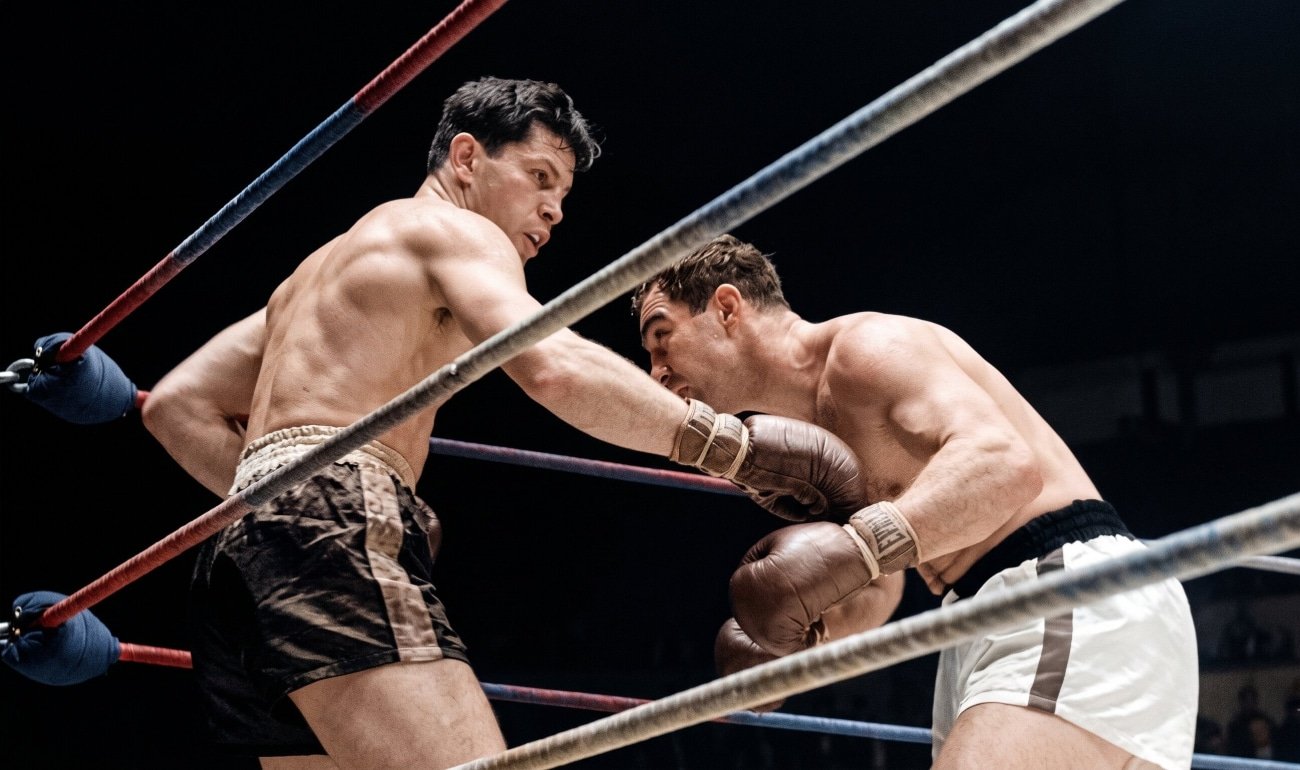


La Starza controlled much of the early action. He forced Marciano to lead, caught him with clean counters and kept the shorter fighter from getting comfortable.
Marciano broke through in the fourth round. A hard right hand dropped La Starza, who stayed down until the count reached seven. The bell sounded immediately afterward, giving him valuable recovery time.
The knockdown changed the fight without settling it.
La Starza recovered and boxed Marciano closely through the middle rounds. Marciano kept pushing forward and landing the heavier shots, leaving the judges to choose between La Starza’s cleaner boxing and Marciano’s aggression.
The eighth brought another critical moment. Marciano hurt La Starza with a right hand and had one of his strongest rounds, but referee Jack Watson penalized him for a low blow.
After 10 rounds, the scoring was split.
Judge Arthur Schwartz had Marciano ahead 5-4. Artie Aidala favored La Starza 5-4. Watson scored the rounds 5-5, bringing New York’s supplemental points system into play. Watson gave Marciano a 9-6 advantage on points, handing him the split decision.
The result was immediately disputed. Several ringside observers favored La Starza, with The New York Times scoring the fight 6-4 for him. La Starza accused Marciano’s manager Al Weill, who also served as Madison Square Garden matchmaker, of influencing the outcome.
Marciano left the Garden with his perfect record intact. La Starza left convinced he had beaten him.
Three years later, La Starza finally got another chance at Marciano, this time with the heavyweight championship at stake. The disputed decision from their first fight gave the rematch a history that went well beyond the title.
Read the full article here