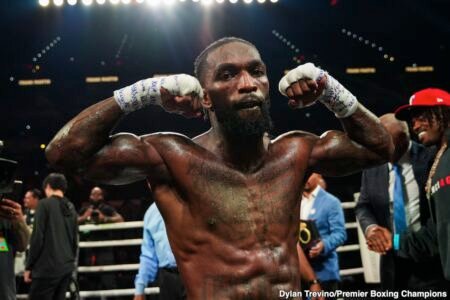





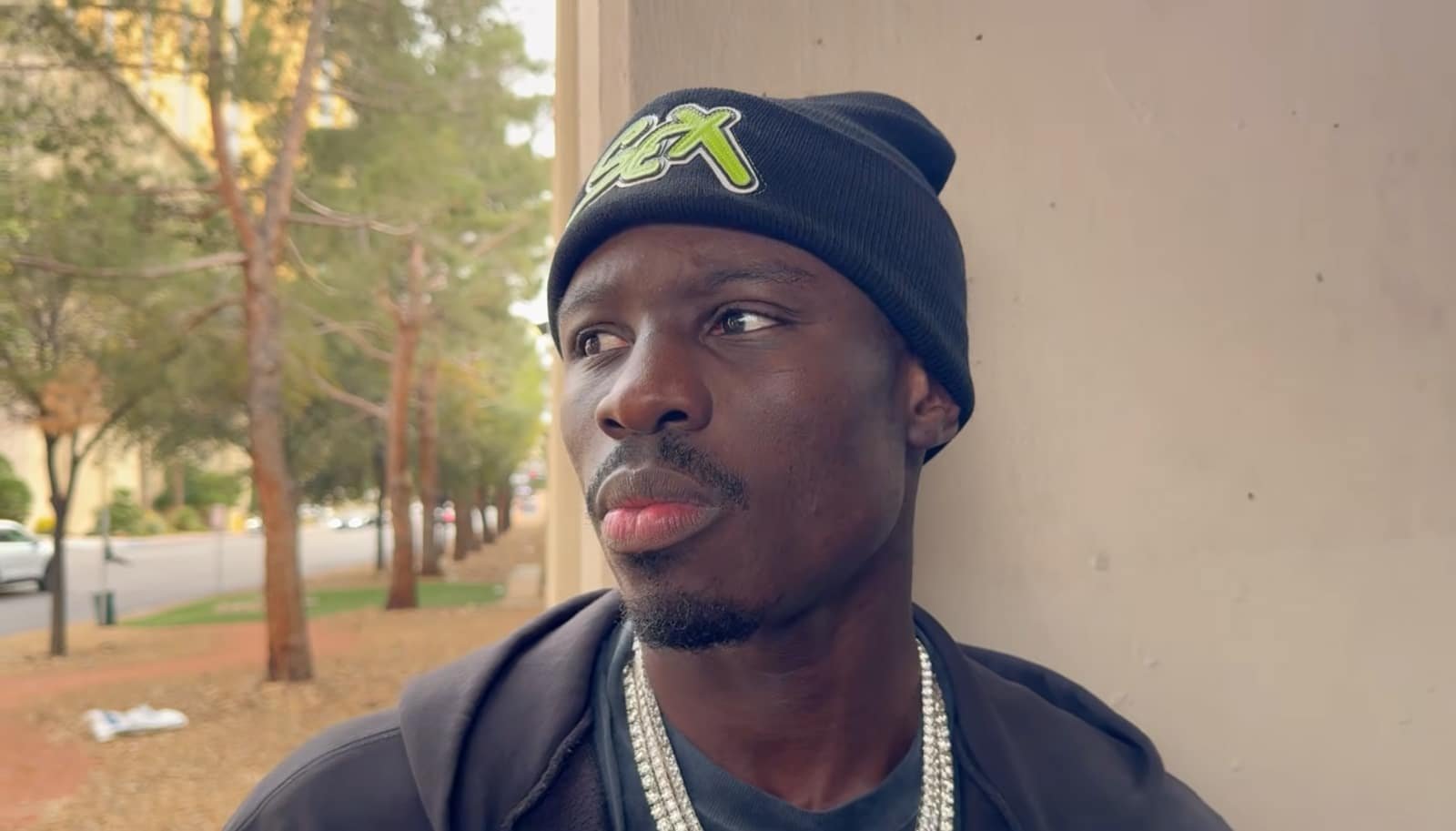


“I’m not scared to fight him in the pocket,” Hitchens said to Sean Zittel. “And the more he come, the more he’s going to take.”
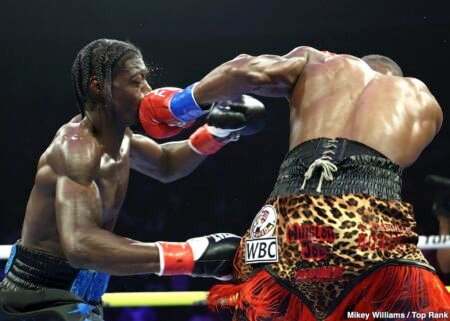
Hitchens has built his rise on controlling those moments. Opponents who try to press him forward often find themselves getting picked off as they step in, forced to hesitate after being caught clean. Duarte’s approach depends on coming forward and throwing, which means he will have to enter Hitchens’ range repeatedly to have success. Hitchens said those entries will come at a cost.
Welcoming pocket exchanges

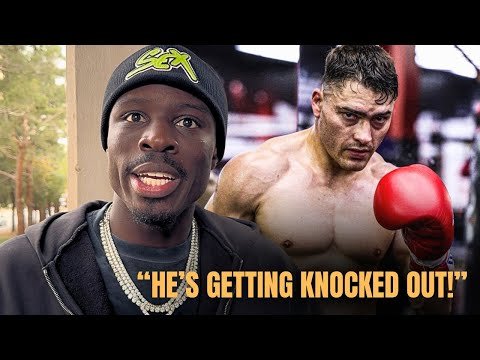
“You can’t just come at a guy like me,” Hitchens said. “You’re going to take a lot of punishment. Him trying to deliver punishment, he’s going to have to come in. He’s not going to get to me, and I’m sending it right back, and it’s coming fast. It’s coming accurate, and it’s going to hurt.”
His approach depends on discipline rather than chasing exchanges unnecessarily. He said patience is essential against pressure fighters, because forcing the action only benefits the opponent. Waiting for openings allows him to maintain control and land clean counters when opponents commit.
“To be a top level fighter, you got to be patient,” Hitchens said. “If he’s just going to come in and running, he’s going to get knocked out. There’s no other way around it.”
This fight gives Hitchens the opportunity to reinforce his standing after wins over George Kambosos Jr. and Liam Paro, two opponents who tested his ability to control distance and tempo. Duarte presents a different kind of test, one built on forward pressure and persistence, but Hitchens said he expects the result to reflect the difference once the exchanges begin.
He believes Duarte’s willingness to close distance will create the situations he prefers, allowing him to take control of the fight without needing to retreat.
Read the full article here