





Among the earliest examples was Frankie Genaro, who won Olympic flyweight gold in 1920 before claiming the NBA flyweight championship as a professional. The 1924 Games produced three future professional champions in Jackie Fields, Willie Smith, and Fidel LaBarba.
The post-war era continued the trend with Pascual Perez, Floyd Patterson, Nino Benvenuti, Joe Frazier, and George Foreman. Patterson became the youngest heavyweight champion in history at the time, while Foreman and Frazier carried their Olympic success into Hall of Fame careers.
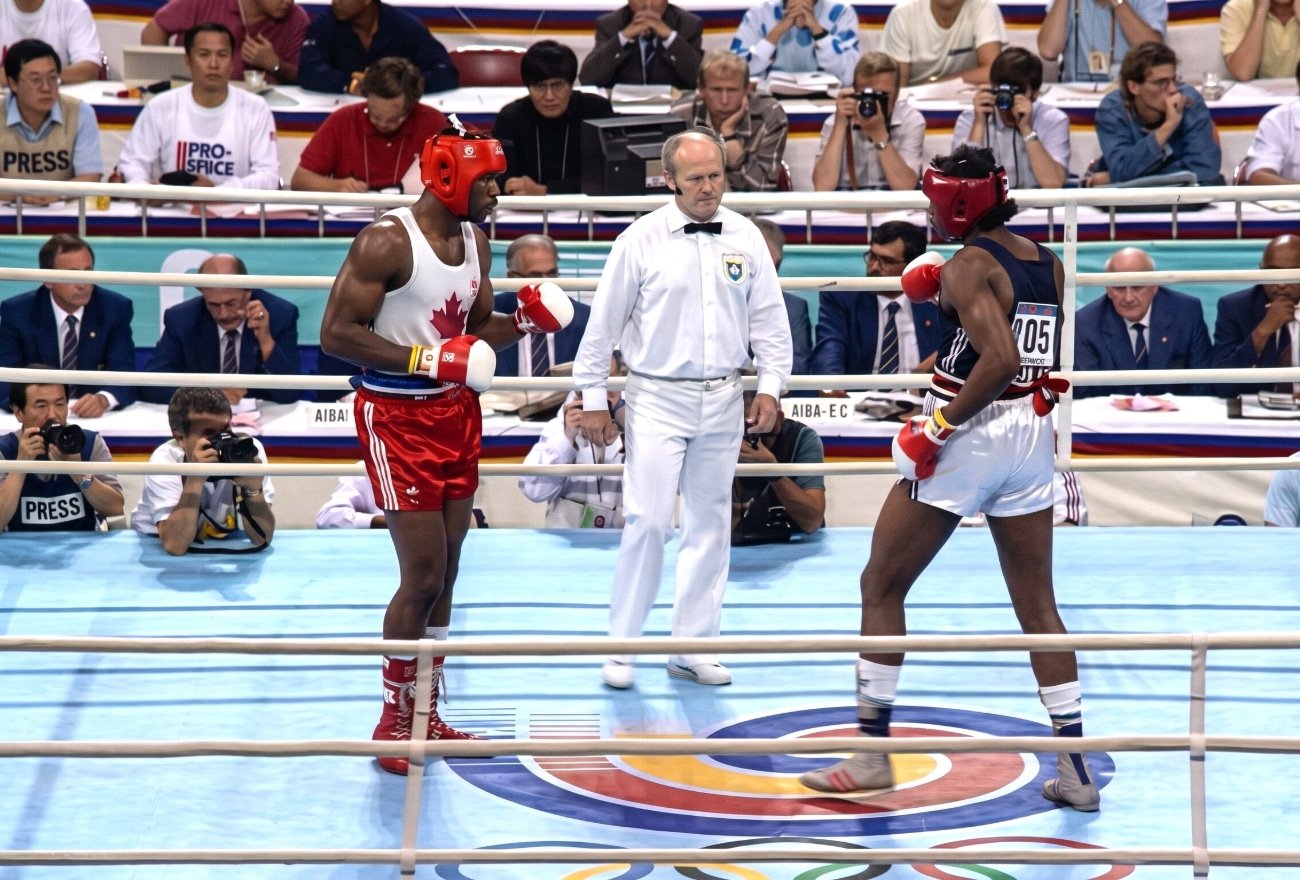
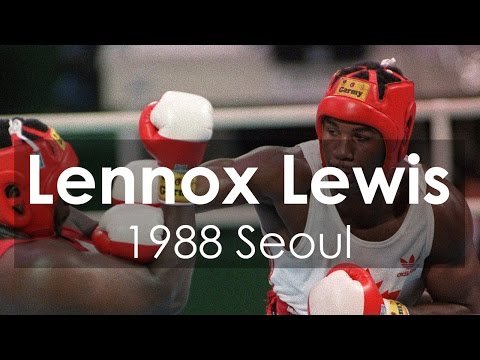
The 1970s and 1980s produced another remarkable generation. Michael Spinks, Sugar Ray Leonard, Pernell Whitaker, Lennox Lewis, Ray Mercer, Henry Maske, Mark Breland, Meldrick Taylor, Frank Tate, Patrizio Oliva, Maurizio Stecca, Mate Parlov, Leo Randolph, Giovanni Parisi, and Kennedy McKinney all captured professional world titles after winning Olympic gold.
Oscar De La Hoya extended that tradition after the 1992 Barcelona Games, becoming one of boxing’s biggest attractions while winning titles in six weight classes.
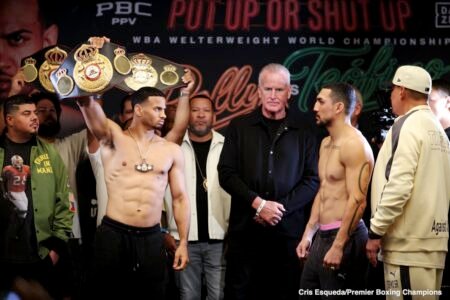
The modern era has added Guillermo Rigondeaux, Andre Ward, Yuriorkis Gamboa, Vasiliy Lomachenko, Robeisy Ramirez, and Robson Conceição to the list. Ward retired undefeated after becoming the unified light heavyweight champion, while Lomachenko captured world titles in three weight classes after winning Olympic gold in both 2008 and 2012.
Not every Olympic champion reaches the top of the professional game, making this list a reminder of how difficult it is to dominate both amateur and professional boxing. While Olympic gold opens doors, history shows that only a relatively small percentage of champions have gone on to win recognized world titles in the paid ranks.

Read the full article here