




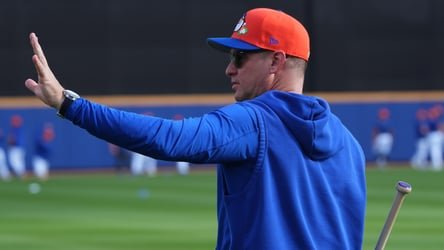
The Mets and all of Major League Baseball will have to navigate a new way to determine balls and strikes in 2026.
Starting on Opening Day, the automatic ball and strike (ABS) challenge system will be put into effect. And while the system has been in use in the minor leagues since 2022 — and major league players saw it up close last spring, and in the All-Star Game — there are still some intricacies of the challenge system that will take some getting used to.
Some aspects of the new system fans have already learned, like who can challenge and when, but here’s a rundown of everything to know about the biggest change to baseball since the pitch-clock.
MLB ABS Challenge System Explained
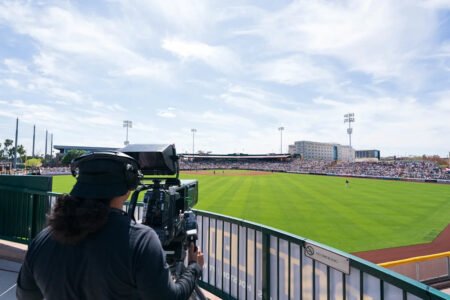
According to a release from MLB, when the system was put in place last September, 12 Hawk-Eye cameras were set up around the perimeter of each ballpark to track the location of each pitch. The pitch location will be compared to the batter’s strike zone, and if any part of the ball touches any part of the strike zone, the pitch will be considered a strike.
The home plate umpire will announce the challenge to the fans in the ballpark and a graphic showing the outcome of the challenge will be displayed on the scoreboard and broadcast.
In 288 spring training games last year, the challenges took an average of 13.8 seconds, so it shouldn’t add too much time to games. Here are some quick general rules regarding the ABS challenge system that fans will want to know:
-
Each team starts with two challenges apiece
-
A team only loses a challenge if an umpire’s call is upheld
-
Only the batter, pitcher or catcher can challenge by tapping the cap/helmet
-
A challenge must be issued after a pitch (approximately two seconds), but a challenge can be made after a play concludes (such as a checked-swing appeal or a play involving a runner)
-
Umpires can disavow challenges if a player’s decision was aided by defenders, runners or the dugout
-
Challenges are not allowed when a position player is pitching
-
Any team that starts the 10th inning without challenges will get one for the inning. Will receive a challenge if it’s exhausted at the start of the 11th and so on
-
If a team has challenges remaining at the start of the 10th inning, they will not get an additional challenge for that inning, but will get more if they exhaust them
What is the Mets’ ABS game plan in 2026?
Although manager Carlos Mendoza and most of the 2026 Mets experienced the new challenge system last spring, they will now have to implement it into their game plans throughout the season.
The Mets skipper was asked about the team’s mentality and game plan towards ABS this upcoming season, and Mendoza admitted that they are still figuring it out, but sent a message to his players this spring.
“Be aggressive. Challenge as much as possible,” Mendoza said. “We want to see who’s good and who’s not before we come up with guidelines and come up with a game plan.”
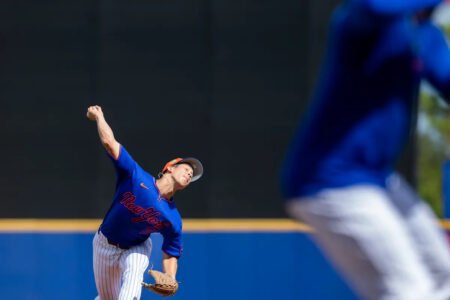
Mets slugger Juan Soto, who is known for his elite eye at the plate and will likely be trusted to challenge, showed his skills already this spring. Going up against Jonah Tong in live BP, the young hurler threw a pitch down in the zone. Soto didn’t bite, but Tong asked for a challenge. Soto was correct.
“It’s going to be different. Last year, a lot of guys had fun with it. When it comes down to a real game and the playoffs, it’s going to be tough,” Soto said of the new system. “We’re going to try and do our job, the umpires have to do their jobs. For me, it’s going to be the same. I have to try and play the game the right way. Trust with what they call and try to do damage, as always….If I need to use it, I will – if not, I’ll just keep playing my game.”
The Mets will get their first test of the new challenge system in regular season action when they host the Pittsburgh Pirates on March 26 at Citi Field.
Read the full article here