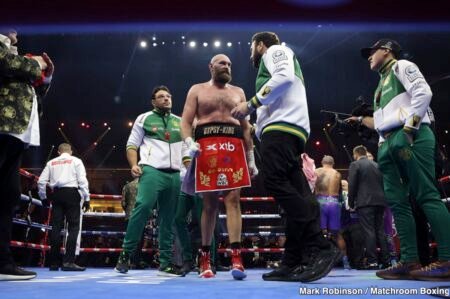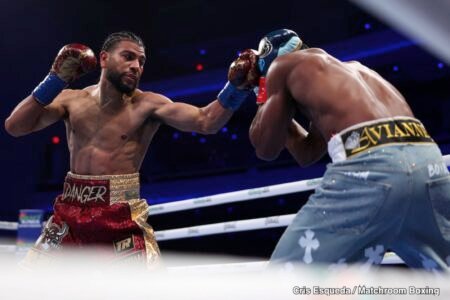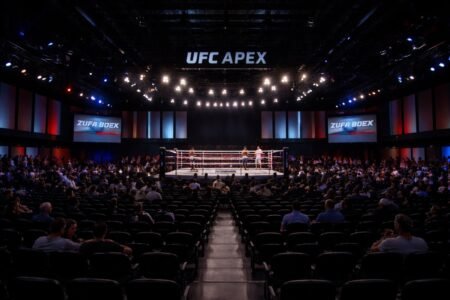





This weekend, Xander Zayas will attempt to unify junior middleweight titles against Abass Baraou. It is not a placeholder bout, and it is not being staged in the shadow of a scheduled super fight. It is happening because belts are available and the division continues to move whether its two biggest names ever share a ring.
Unification does not pause for negotiations elsewhere. It changes who has to act next and who can afford to wait.
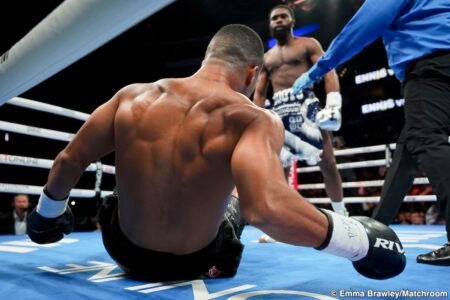
Zayas is still young and still developing, but his career is not on hold while talks stretch longer than expected. Baraou is not arriving to make up the numbers. He earned his title by upsetting Yoenis Tellez and forcing the issue late, including a knockdown that removed any doubt. This is a real fight with real consequences in a division that keeps reshaping itself while its headline matchup remains unresolved.
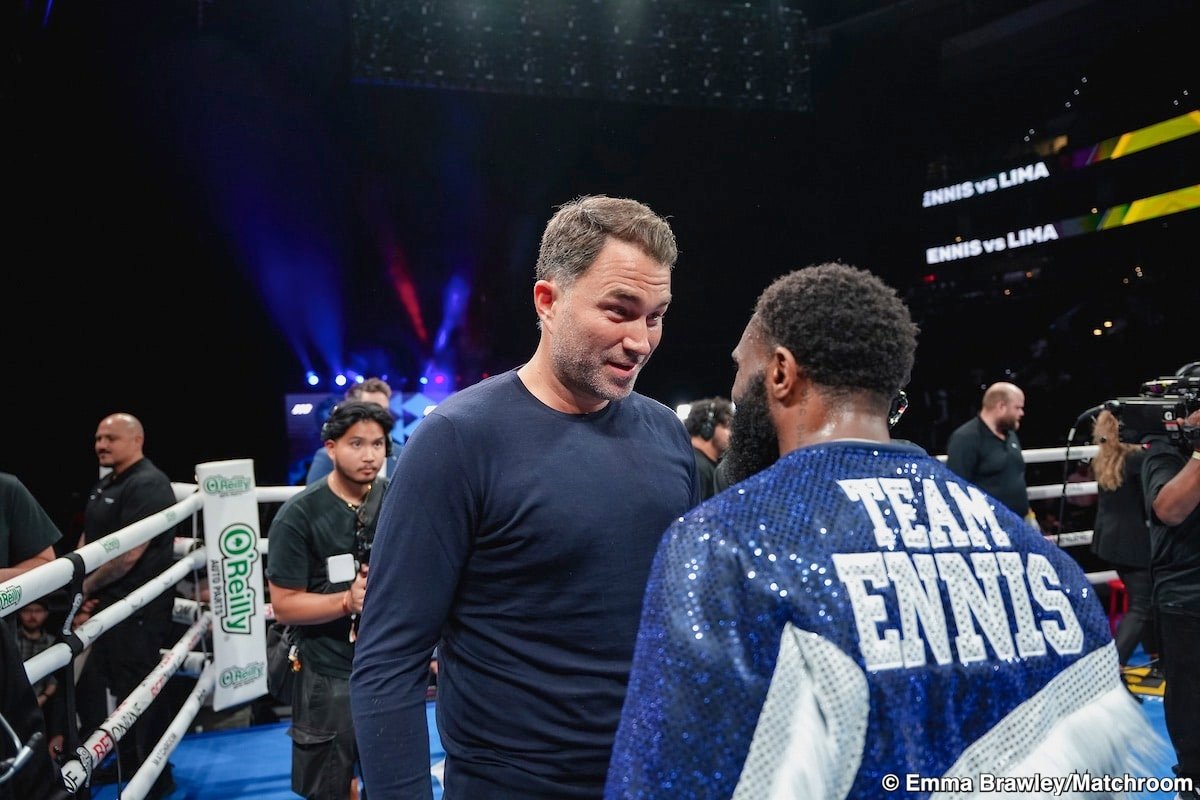
At the top, Ennis and Ortiz continue to exist as an idea rather than an event. Ortiz’s legal dispute with Golden Boy has added friction to a process that was already slow. There is no firm timeline, no signed date, and no guarantee the landscape waiting for them will look the same if an agreement is eventually reached.
Patience from the outside can quietly turn into a lost position inside the sport. Divisions do not stop functioning while marquee fights are negotiated. Belts move. Mandatory positions shift. Fighters age into and out of advantage.
Junior middleweight is deep enough to absorb that delay. It does not need to stop operating to protect the idea of a perfect fight. Zayas against Baraou is not presented as an answer to everything. It shows the division continuing to function while its biggest bout remains theoretical.
If Ennis and Ortiz meet, the fight will still carry weight. The longer it stays on paper, the less accurate it becomes to treat everything else as secondary.
The division has already moved once. It may not wait to move again.
Read the full article here