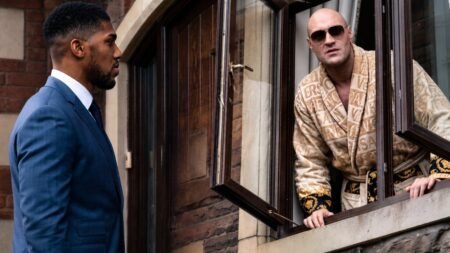







When Fury was trying to lure Joshua into the ring afterward for a face-off, Joshua says he had other things on his mind.
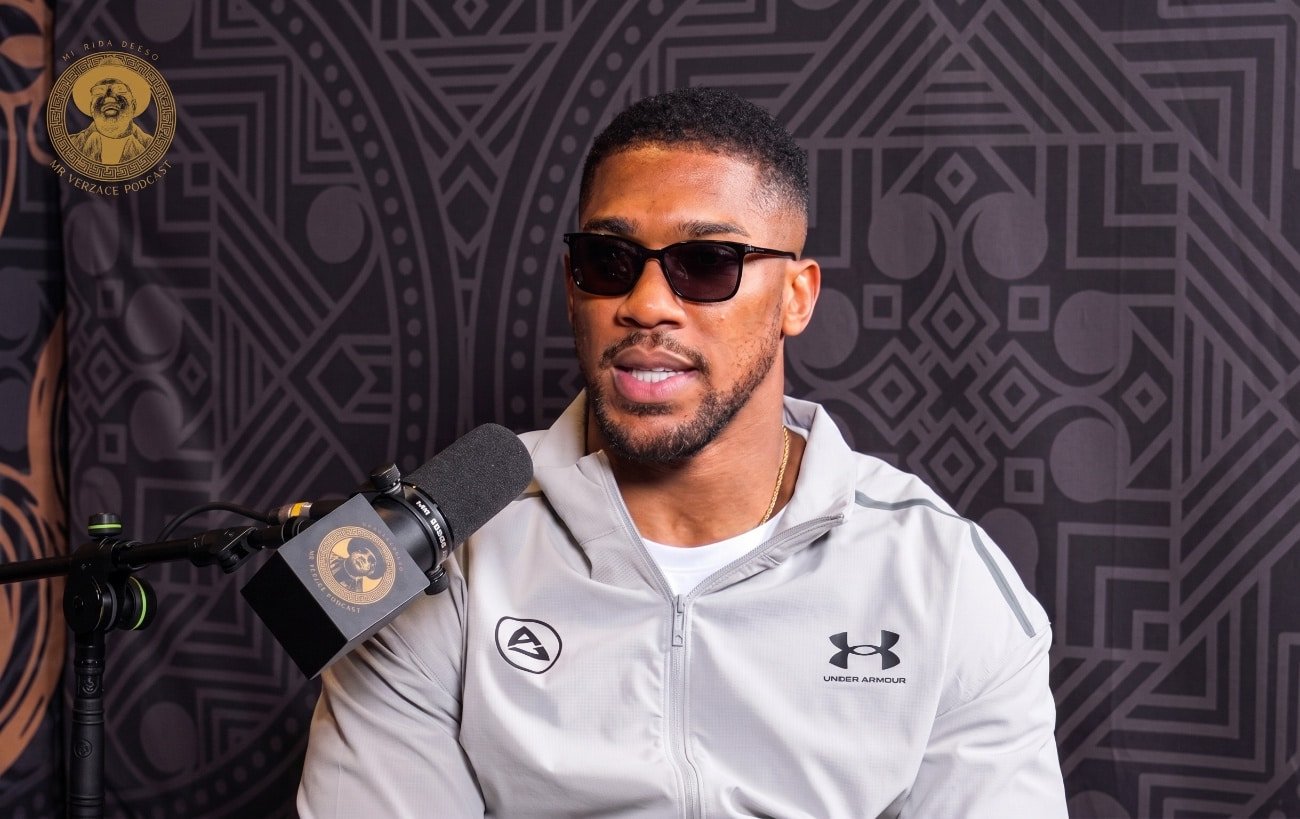
“I was there on a scouting mission. I wanted to see this is the guy that I want to fight, right? So, I was there to kind of see what was going to happen, how he performed, and I saw some good stuff, and I also saw some bad stuff,” said Joshua to Mr. Verzace at Ring Magazine.
It is crazy how detached from reality Joshua’s breakdown sounds. He is looking at a guy who just laboriously crawled through a twelve-round track meet against a total non-threat and treating it like some deep, philosophical chess match where he “saw some good stuff and some bad stuff.”
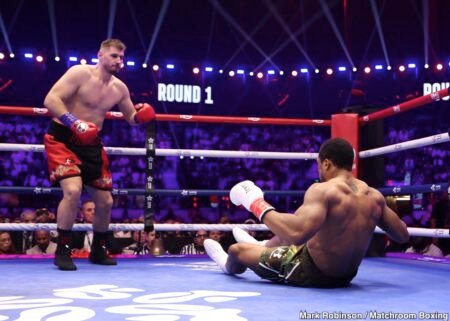
Good stuff? What good stuff? Fury looked exactly like what he is: a middle-aged fighter coming off a long layoff who completely lacked the trigger-pulling ability that used to make him elite. Makhmudov is the definition of a limited, lumbering domestic-level fighter who would be absolutely devoured by any legitimate top-15 contender, let alone the top tier.
The fact that Fury couldn’t, or wouldn’t, get him out of there tells you everything you need to know about where his reflexes and power are at right now.
“I would have preferred to have seen a stoppage,” said Joshua.
Joshua saying he “would have preferred to have seen a stoppage” and noting a lack of “intent to try and hurt” him is the understatement of the century. He is treating a glaring, neon-lit sign of decline as if it were just a minor tactical choice by Fury. Anyone with eyes could see Fury was laboring.
It makes you wonder if Joshua is just trying to be ultra-polite, or if he is so programmed into his own bubble that he cannot just come out and say the obvious: the version of Fury that ruled the division is gone.
“I didn’t really see any intent at any moment to try and hurt Makhmudov,” said Joshua.
Joshua is a master corporate brand, and he knows that completely trashing the product kills the pay-per-view buy rate before the contracts are even signed. If he goes out there and tells the public that Fury is completely shot and washed, he undermines the entire value of their massive domestic clash. Keeping it vague with the “good and bad stuff” routine keeps the intrigue alive and protects the box office.
AJ has always had that heavy, literal way of processing things, almost like he is reading off cue cards in his own mind. He often struggles to analyze things dynamically on the fly, which is why his assessments can come across so basic and detached. Instead of seeing a guy who is physically laboring and losing his reflexes, Joshua just looks at it as a checklist: did he win? Yes. Did he stop him? No.
It is a mix of corporate protection and a genuine lack of deep analytical vision. He can’t, or won’t, see that Fury was struggling against a guy who has no business lasting twelve rounds with an elite heavyweight.
“Fury is just another number,” said AJ. I don’t put him on no pedestal. He ain’t above no one.”
That is the one moment where the corporate filter slipped, and the real, unvarnished Joshua came out.
When he says “Fury is just another number,” he is stripping away all the hype, the promotional buildup, and the mythical status that has surrounded Fury for years. That is the line of a fighter who looked across the ring on that scouting mission, saw a middle-aged guy laboring against a limited opponent, and realized the boogeyman is gone.
For a long time, Fury occupied this untouchable space in British boxing, but that performance against Makhmudov clearly broke the illusion for Joshua. Saying “He ain’t above no one” is the most telling part. It shows Joshua finally sees him as a beatable, human opponent rather than some insurmountable heavyweight king. Even if Joshua’s overall analysis is basic, that specific realization is a massive shift in psychology ahead of their fight.


Read the full article here