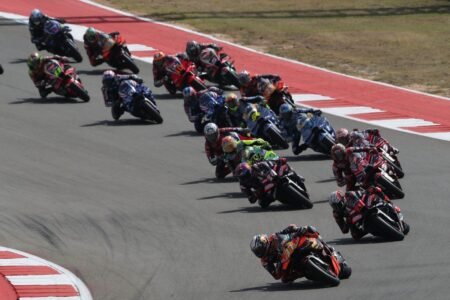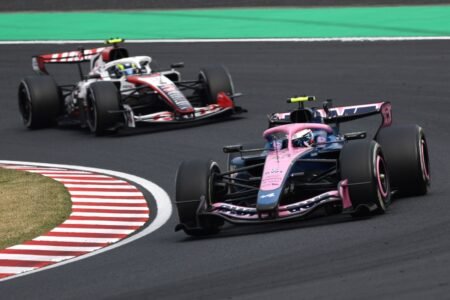




Suzuka has two sides to it. It’s a stunning track, one of the most captivating on the calendar and a true gem on the calendar. But, especially in recent years, overtakes has become extremely difficult here due to a layout that offers few real opportunities to attack and the lack of multiple DRS zones from the previous rules era to facilitate such manoeuvres.
However, the new 2026 regulations have changed this dynamic, offering new possibilities to the drivers. In certain situations, the boost, combined with overtaking mode, can become significantly more effective than the old DRS, generating substantial speed differences – reaching close to 25mph. This shifts the focus to the interpretation of energy management, almost a science applied to race strategy.
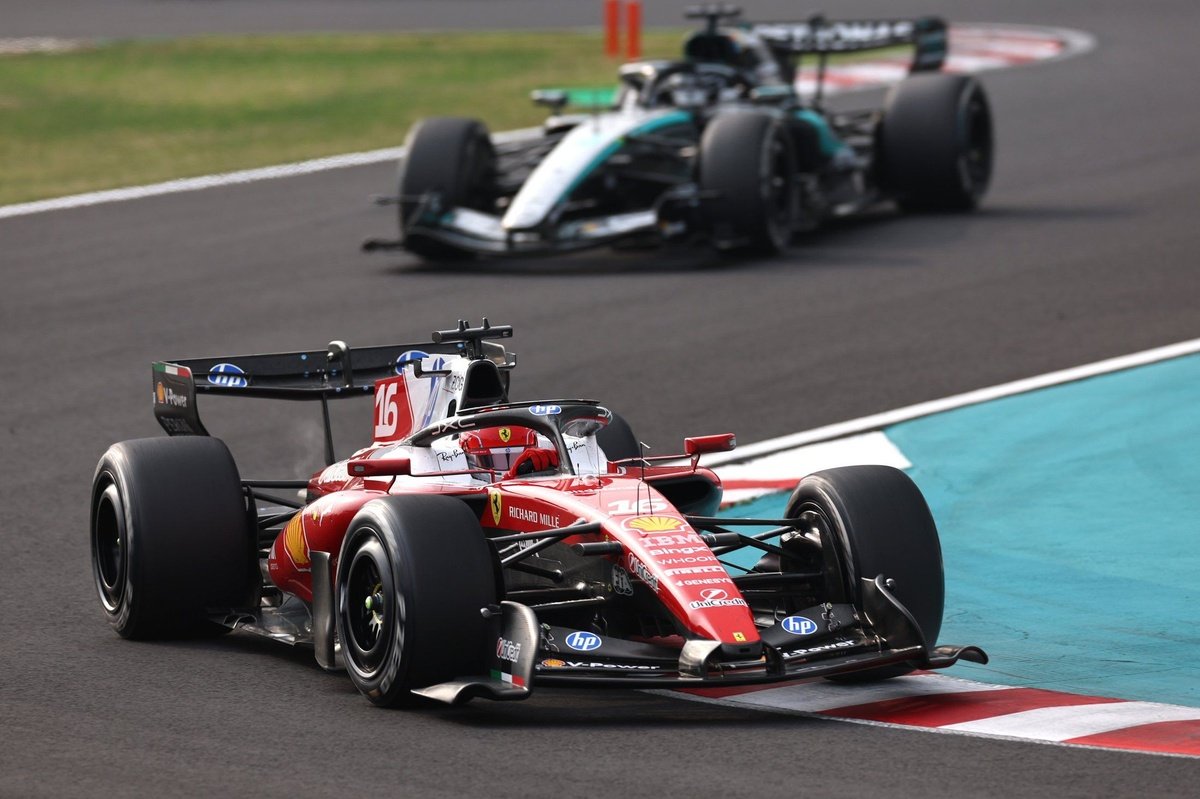
These aspects were also evident in the duel between Charles Leclerc and George Russell for third place, with the Monegasque driver able to fend off every attempt by the Briton and secure his second podium finish of the season right in front of the heavy favourites. In fact, the Ferrari driver had already proven to be a tough opponent for Kimi Antonelli in the first stint, making the pass anything but straightforward.
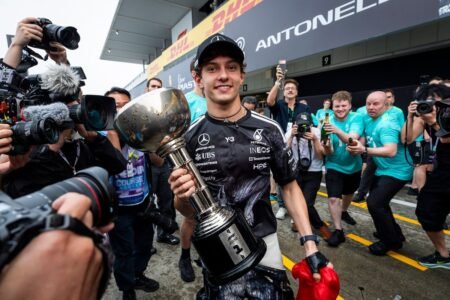
“I think it was a bit difficult to get by when I was behind Charles because we obviously had two completely different deployments and it was just hard to find the right place to overtake,” said Antonelli after the race, highlighting how passing the Ferraris wasn’t so straightforward for either Mercedes. This dynamic was already seen in the early GPs, where the Ferrari drivers often gave the two W17s a hard time before eventually fading over the distance.
Leclerc had said it in China: to beat the Mercedes, you have to respond blow for blow, because in clear air the W17s – especially when tyre management comes into play – retain a clear advantage over the competition, as was also seen at Suzuka with Antonelli. And that is exactly what the Monegasque driver did in Japan, also taking advantage of a track layout that, in certain situations, allowed him to defend himself more effectively.
Charles Leclerc, Ferrari
Photo by: Simon Galloway / LAT Images via Getty Images
For attacking drivers, the most effective choice was generally to maximum energy between Spoon curve and the final chicane, because in that section significantly higher speeds are reached while the car in front tends to experience a more pronounced drop in speed the moment the MGU-K cuts off support. The point, however, is that at Suzuka there are three consecutive straights, and energy management becomes a strategic factor.
If too much energy is used before the final chicane, even if the overtake is successful, there is a real risk of being exposed on the next straight – the start-finish straight in this case – with insufficient battery power to defend. This dynamic is encouraged by the new regulations, so much so that speed differences of around 20mph were recorded before Turn 1, making overtaking and counter-overtaking easier than with the old DRS.
And it is precisely here that Leclerc and Ferrari’s strategic astuteness in energy management comes to the fore, as he beat one of the Silver Arrows. The goal was no longer to optimise lap time, but to understand where it was truly worth using battery power to defend. Analysing the data, a profound difference in interpretation compared to Mercedes becomes apparent.
Ferrari tended to use more deployment coming out of the hairpin to launch towards Spoon, then enter more aggressively into super-clipping, anticipating Mercedes. The same pattern repeated itself coming out of the Spoon, where Leclerc managed to be much more incisive on the exit, thanks in part to a slightly different approach to that section. This strategy was also confirmed by Antonelli during his discussion with the other drivers in the pitlane.
Essentially, Ferrari gained ground on the straight, immediately creating a small gap in the first part of the straight and forcing Mercedes to expend more energy in the second half to close the gap and, if possible, attempt an attack, only to then have to enter super-clipping before the chicane. This yo-yo effect provided a certain margin of flexibility in defence, partly because it allowed Leclerc to recover energy in time to defend himself on the next straight.

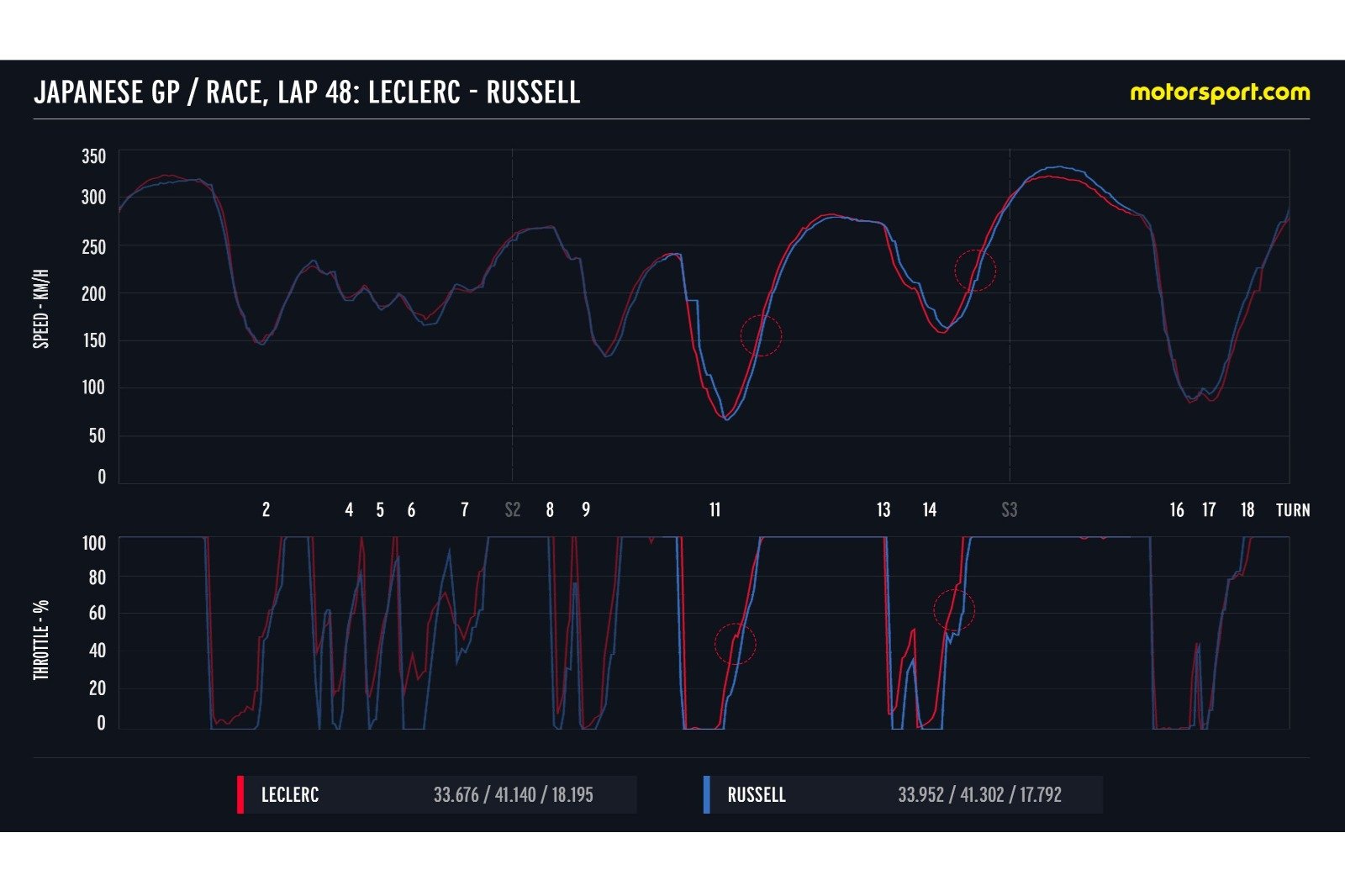
Photo by: Gianluca D’Alessandro
There is another factor to consider, however. As the regulations are written, when in overtaking mode and using the boost, even if you lift off before the 130R, as Lando Norris did when overtaking Lewis Hamilton toward the end of the race, when you return to the throttle for regulatory reasons, the deployment continues, limiting the driver’s freedom to modulate the boost.
In certain cases, the pass becomes almost “forced,” and this is partly what happened to Russell on lap 50, when he overtook Leclerc at the final chicane while the Monegasque driver was in super-clipping. The problem is that this consumes a lot of energy and creates a real risk of running out of battery power to defend, making a counter-pass easier.
Undoubtedly, certain characteristics of the track helped, from the layout to the substantial absence of graining and degradation on the new asphalt, on a circuit that historically makes overtaking difficult. But strategic acumen was also needed to succeed. Speaking after the race, Frederic Vasseur emphasised the importance of the podium, especially for morale.
“We want to get more, but I think it was a very, very strong drive from Charles at the end with Russell,” Vasseur said. “It was important for us to keep Mercedes behind and Russell behind us.
“The last 10 laps, it showed also to everybody at the factory and to the team that we can do it. It means that it’s important and it’s the best way to prepare the break. We know that we have to push, we know that we have to work to develop the car, but it’s a long break.”
We want to hear from you!
Let us know what you would like to see from us in the future.
Take our survey
– The Autosport.com Team
Read the full article here