



Golovkin retired after a career that spanned more than 15 years as a professional and even longer as an amateur. His final bout came in September 2022, a decision loss to Saul Alvarez, closing a rivalry that defined the latter half of his career and pushed him into boxing’s global mainstream.
Born in Karaganda, Kazakhstan, Golovkin emerged from a deep amateur system that valued volume, pressure, and control. By the time he reached the Olympics in Athens in 2004, where he won a silver medal, he was already viewed as one of the most technically complete middleweights of his generation.
He turned professional in 2006, building his early career largely in Germany. Those years were formative rather than flashy. Golovkin developed a reputation for patience, balance, and a willingness to let opponents walk into danger. By the time he relocated more permanently to the United States, his style was already set.
The titles followed steadily. He collected secondary belts first, then unified the middleweight division through a series of stoppage wins that established him as one of boxing’s most reliable finishers. His reign was not built on speed or movement. It was built on pressure that did not fade and punches that carried consequences late into fights.
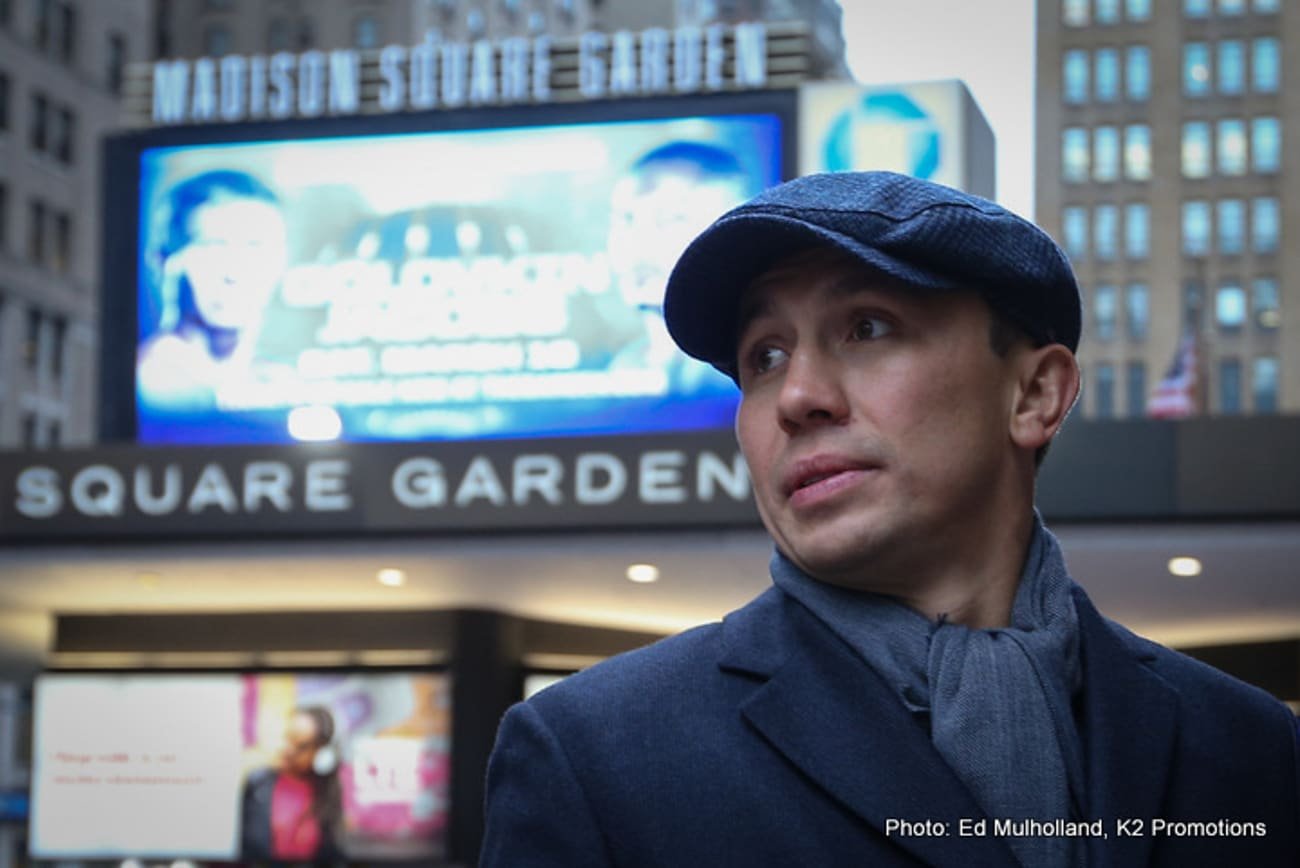
That approach was tested at the highest level against Daniel Jacobs in 2017, a competitive decision win at Madison Square Garden that halted Golovkin’s long stoppage run but confirmed his ability to adjust when the knockout did not come.
Later that year, Golovkin met Alvarez for the first time. Their opening bout ended in a split draw that immediately divided opinion. The rematch, a year later, went the other way, with Alvarez earning a majority decision after Golovkin chose a more measured approach. A third fight, this time at super middleweight, ended Golovkin’s career with another decision loss.
Those results altered how some remembered him. They did not erase what came before.
Golovkin’s appeal was never built on showmanship or reinvention. He fought the same way whether he was defending a minor belt in Europe or headlining pay-per-view in Las Vegas. That consistency earned him respect even when the outcomes stopped breaking his way.
His election to the World Boxing reflects that reputation. Golovkin enters governance without theatrics and without nostalgia. He steps into the role as someone who lived the sport at every level, from amateur tournaments to unified championships.
The fighter is gone. The presence remains. And for Golovkin, that may be the most fitting ending of all.
Read the full article here