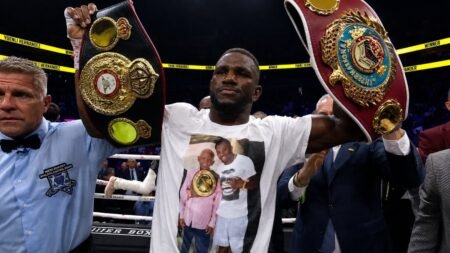





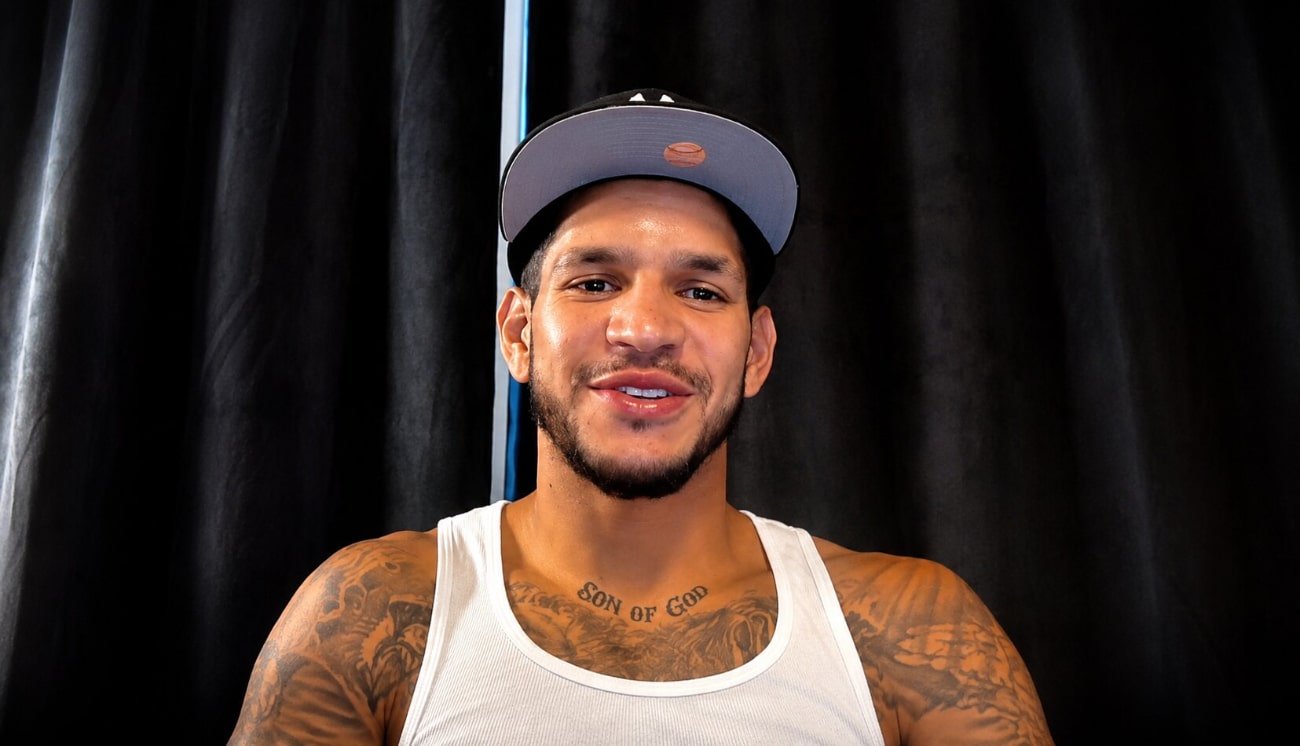


“I feel like I was just getting by just because of my talent,” Berlanga said on Brian Custer’s channel. “What separated me from those guys was my dedication and my discipline. I always gave myself 50%. This camp has been different. The light switch turned on.”
What Berlanga isn’t saying is that what played a part in him being able to get by at only 50% is how he was managed. The early narrative was built on a shiny marketing gimmick: 16 straight first-round knockouts. Top Rank arguably spoon-fed him opponents selected specifically to keep the streak alive.
Once he stepped up into actual eight- and ten-rounders against basic step-up opponents like Demond Nicholson, Marcelo Coceres, Steve Rolls, and Roamer Alexis Angulo, the knockout power suddenly vanished. He was getting dropped, biting opponents out of frustration, and looking completely ordinary against basic journeymen.
Matchroom essentially bought into the hype to leverage his Puerto Rican fanbase in New York, giving him soft touches like Jason Quigley and Padraig McCrory to line him up for a massive payday against Canelo Alvarez.
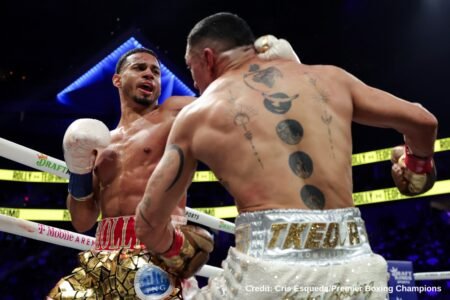
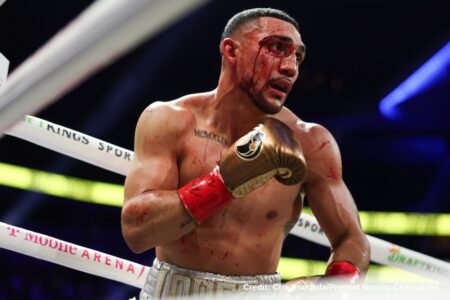
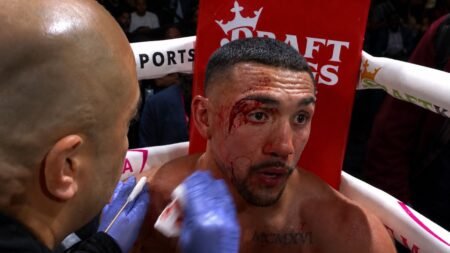
When Berlanga finally stepped up to elite level, the reality caught up with him. Canelo Alvarez outclassed him across 12 rounds, dropping him along the way. Hamzah Sheeraz exposed the gap in level by stopping him inside five rounds.
Attributing his struggles entirely to “lack of discipline” or “giving 50%” is a classic promotional spin to protect a fighter’s brand. Lack of dedication may play a role, but the primary reason he looked invincible early on was careful matchmaking hiding serious technical limitations, limitations that got punished the second he stepped in with elite competition.
“I want to change the perspective of people,” Berlanga said. “I want to be talked about like Bam Rodriguez, Shakur Stevenson… that I got skill, IQ. I owe it to myself.”
Comparing himself to operators like Crawford, Shakur, or Bam is completely disconnected from who he is in the ring.
Those guys are elite, generational defensive technicians and sweet scientists with master-level footwork, ring vision, and distance control. Berlanga is an aggressive brawler who relies on raw athleticism, wild power, and intimidating his opponents. You do not wake up at 29 years old after a decade of fighting as a crude slugger and suddenly develop elite IQ, nuanced defense, or counter-punching instincts just because you worked hard in one training camp.
It is one thing when a fighter is just spouting promotional buzzwords to hype a fight, but it is another thing entirely when they genuinely convince themselves of it. In boxing, that kind of delusion is dangerous.
Berlanga spent years being told he was an unstoppable monster while blasting out overmatched opponents in one round. That level of early praise distorts a fighter’s self-image.
Now, facing the reality of his technical limits, his brain is reaching for the easiest explanation: “I just wasn’t trying hard enough.” Accepting that you just lacked effort is a lot easier on the ego than accepting that you simply do not have the natural ring IQ, reflexes, or skill ceiling of a Crawford or a Shakur. If it was just a lack of discipline, it means the talent is still there waiting to be unlocked.


Read the full article here